
We may earn revenue from the products available on this page and participate in affiliate programs. Learn More ›
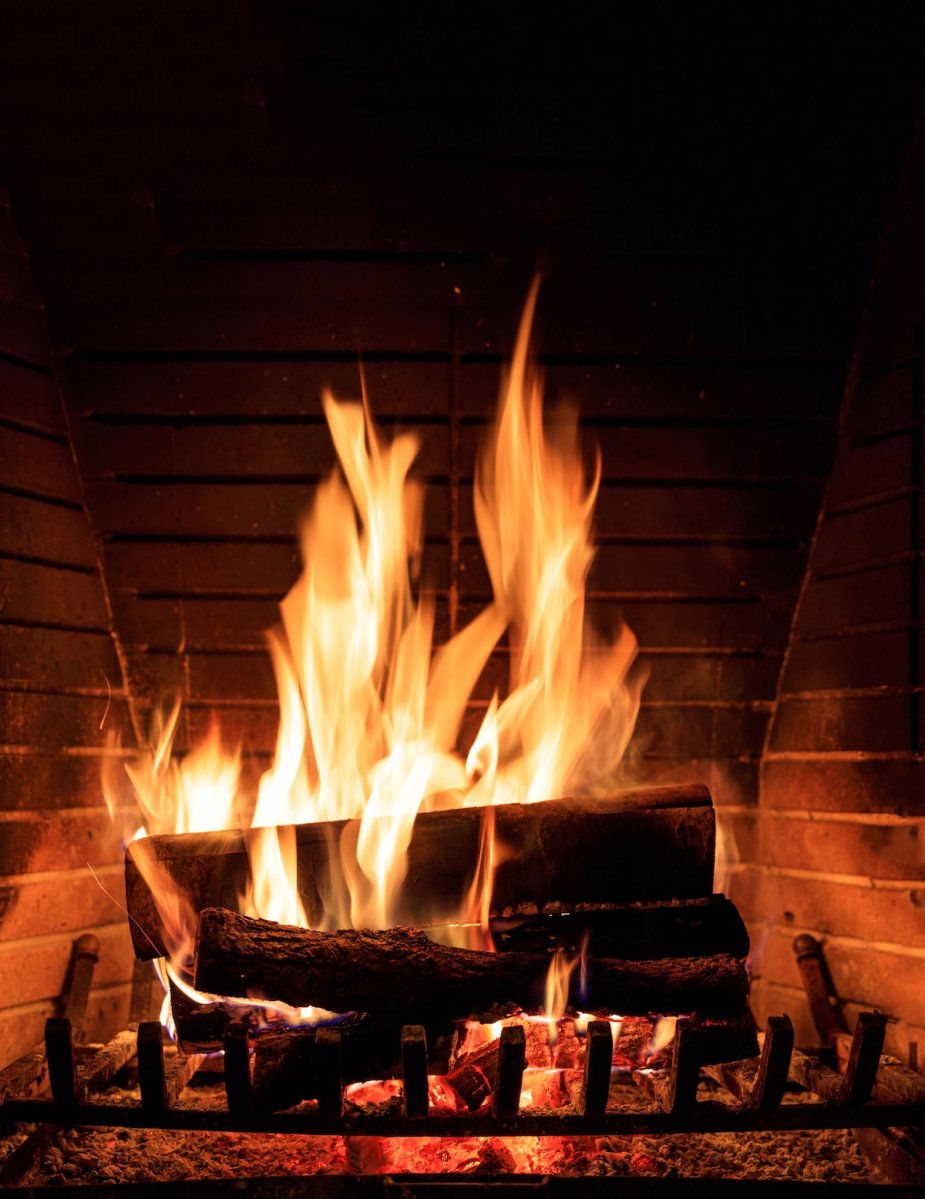
A wood-burning fire to keep warm throughout the colder months might have cozy vibes, but basically you’re opening up your home to the chilly outdoors during and well past when the fire is roaring. This can result in inefficiencies that can lead to higher heating costs, poor airflow, and unnecessary wear on your fireplace and chimney system. A wood-burning fireplace is a very inefficient way to heat your home since drafts can pull the warm air up the chimney, causing other rooms to feel cooler, according to the U.S. Environmental Protection Agency. Also, your heater will have to work harder to maintain constant temperatures throughout the house. Here we’ll explore the common causes of inefficiency, upgrades to boost fireplace efficiency, and best practices for maintaining your wood-burning fireplace.
Likely Causes of Fireplace Inefficiency
There are several reasons why a fireplace is inefficient. By understanding the problems in your home, you can better address them to keep your fireplace performing at its best.
Wet Wood
Burning wet wood in your fireplace can create excessive smoke, which is an indication of lost heat. Firewood should be dry, with a moisture reading of 20 percent or less.
Best Overall Moisture Meter
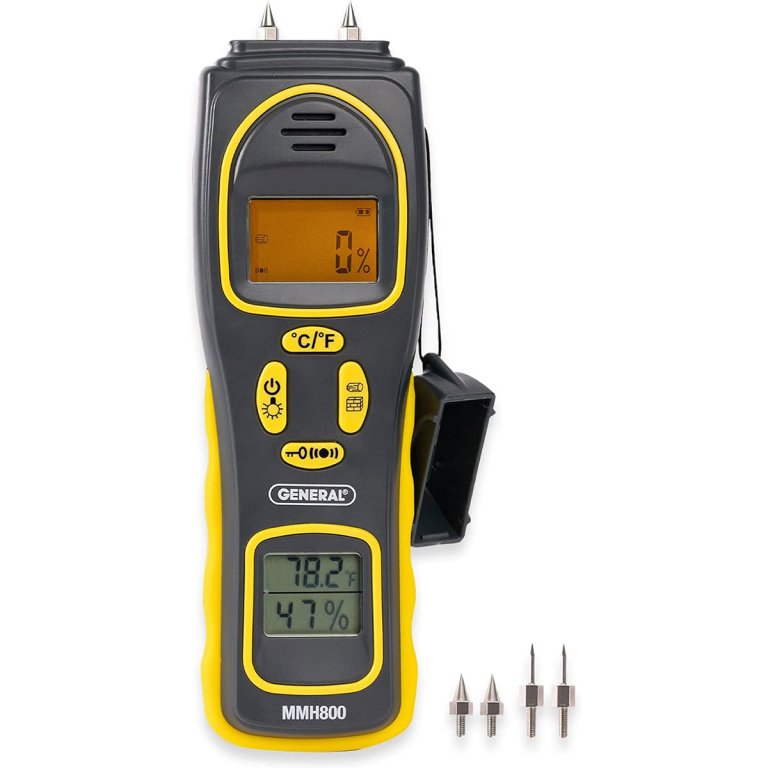
General Tools Pin/Pinless Moisture Meter
Our product testers said this tool proved accurate and easy to use for sensing moisture levels in a variety of wood species.
Photo: Amazon
Wood Type
Using the wrong type of wood can lead to inefficient burning and excessive creosote buildup in your chimney. The best types of wood for burning are dry and hard, such as maple, oak, cedar, and cherry.
Creosote and Soot Buildup
A common cause of reduced fireplace efficiency is when creosote and soot—byproducts of burning wood—accumulate inside the chimney, restricting airflow and making it harder for smoke and heat to vent properly. This buildup can also become a safety hazard.
Overloading the Fireplace
A fireplace packed with a large pile of logs can reduce airflow, which affects combustion and increases the chance for creosote buildup.
Airflow or Draft Problems
If your chimney is not drafting properly, smoke may linger in your home and fires may not stay lit for long. Draft issues can result from blockages, chimney height problems, or poor ventilation.
Skipping Maintenance
Keeping up with proper fireplace and chimney maintenance helps ensure efficiency, as cracked flue liners, damaged dampers, or other issues can result in more heat escaping and reduced ventilation.
Upgrades to Boost Efficiency
To increase the energy efficiency of your wood-burning fireplace, consider making the following changes:
Add a Heatproof Glass Fireplace Door
Constructed of clear tempered glass and available in a variety of styles, glass doors help a fireplace burn more efficiently so more heat is produced.
Try a Fireback
Made of heavy metal like stainless steel or cast iron, this fireplace accessory attaches to the back of the fireplace to reflect the heat from the fireplace into your living space.
Our Recommendation
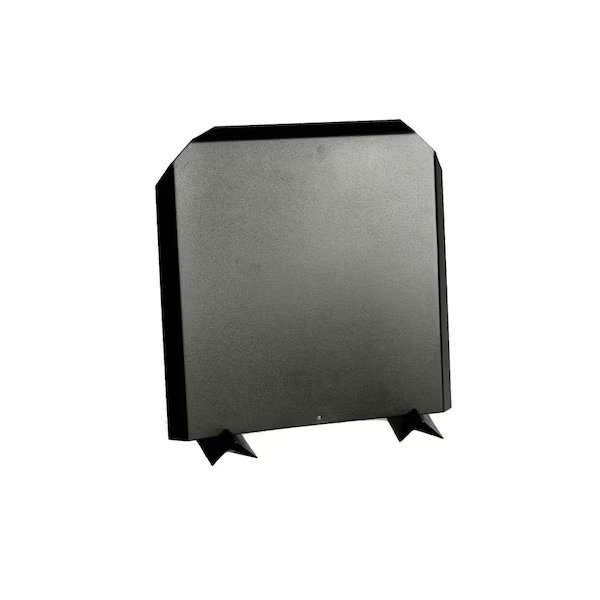
HY-C 15-inch Fireplace Fireback
This basic stainless-steel plate helps direct heat into the room, improving the efficiency of your wood-burning fireplace.
Photo: The Home Depot
Use the Damper Strategically
A fireplace damper, a metal door fitted above the firebox at the throat of the chimney, can help control airflow in and out of the chimney and enhance overall heat output. Fully open the damper when starting a fire, and then slightly close the damper to prevent excess heat from escaping once the fire is crackling. If the room still isn’t warm enough, close the damper a little bit more.
Install a Fireplace Insert
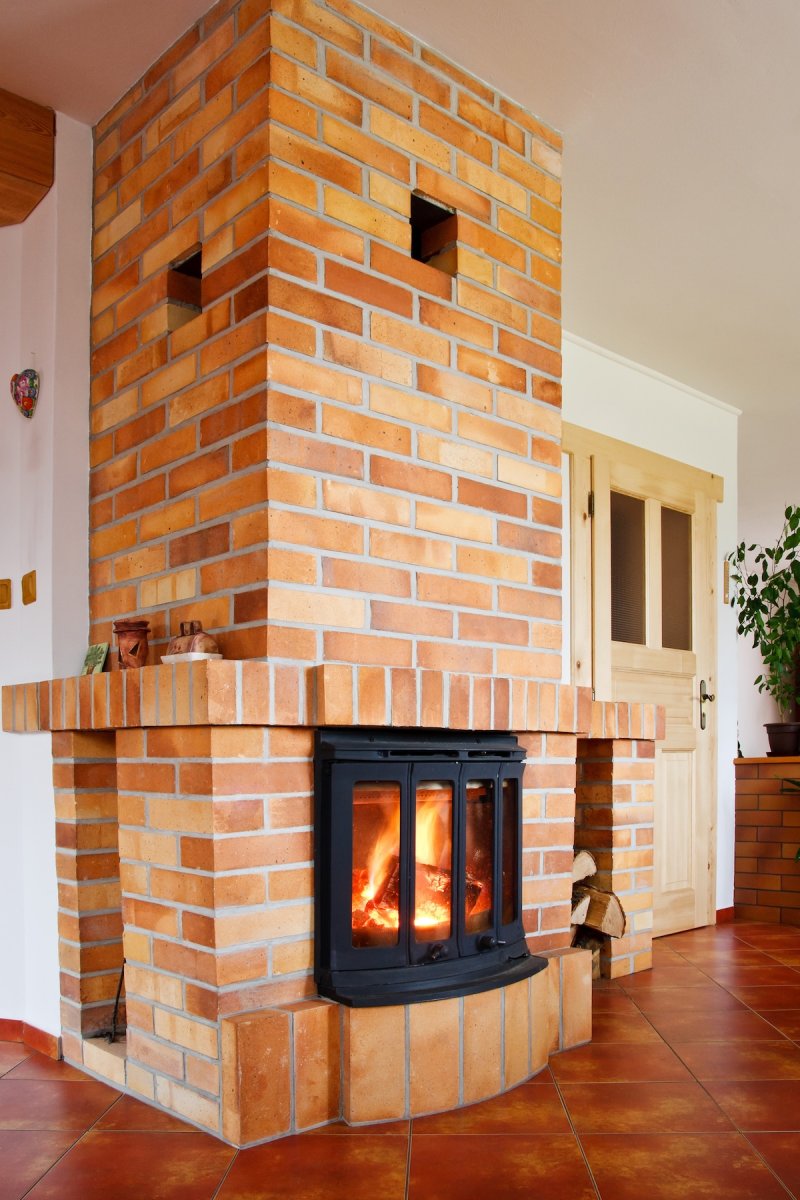
Upgrading an open, traditional fireplace with a modern, sealed insert can boost heating efficiency by about 50 percent. Traditional fireplaces waste most of their heat up the chimney, but sealed inserts trap that warmth and spread it evenly throughout the room. By burning fuel much more cleanly and efficiently, inserts help lower heating bills, cut down on smoke and chimney buildup, and prevent cold drafts. Fireplace inserts come in styles ranging from rustic to modern, allowing you to customize the look with attractive trims and mantels.
Fireplace Maintenance Best Practices
Keep your fireplace running as efficiently as possible by following these best practices:
Schedule Annual Inspections and Cleanings
Have a certified professional inspect and clean your chimney at least once a year. This clears out flammable creosote, soot, and blockages, while checking for damaged bricks, flue liners, leaky dampers, and chimney caps.
Burn Only Dry, Seasoned Hardwood
Use dry, seasoned hardwoods like oak, maple, or birch that have dried for 6 to 12 months and contain less than 20 percent moisture. Avoid softwoods like pine, which create excess creosote buildup. Check how wet the wood is by using a moisture meter, and look for shiny, tar-like creosote buildup using a flashlight.
Manage Your Damper and Airflow
For proper ventilation, make sure the damper is fully open before starting a fire. Once burning, adjust air controls to maintain a steady burn and minimize excessive smoke.
Burn Wood in Moderation
Stick to two or three logs at a time, leaving gaps between them to improve airflow and ensure a safe, efficient burn.
Maintain Proper Ash Levels
Leave about 1 inch of ash in the firebox to help insulate the fire and maintain a steady burn. When cleaning out excess ash, use a lidded metal bucket and ensure ashes are completely cooled before disposal to prevent unexpected fires.
Fix Structural and Airflow Issues Early
Seal and insulate home cracks, gaps, windows, and doors to reduce drafts and overall heating needs. Address leaking dampers, cracked liners, and masonry deterioration immediately through professional repair services.
The post The Energy Efficiency Problem With Your Fireplace—and How to Shore It Up Before Winter appeared first on Bob Vila.