
We may earn revenue from the products available on this page and participate in affiliate programs. Learn More ›
When cold weather arrives, heating bills can quickly send utility costs skyrocketing, while unexpected seasonal mishaps like frozen pipes risk turning into costly repairs. Fortunately, a little preparation in October can keep your home warm and your winter expenses under control. “October is a great time to prep your home before your heating system is constantly running during the winter,” says Danny Reddick, president of Reddick & Sons in Manassas, Virginia. “Taking a few simple steps while the weather is still temperate can improve your home’s heating efficiency, reduce unnecessary energy use, and protect your plumbing from problems caused by freezing temperatures.”
We spoke with Reddick and another home HVAC expert to identify the seven most effective, budget-saving tasks every homeowner should tackle this month to stay comfortable, from beefing up insulation and hanging thermal curtains to strategically using energy-efficient space heaters.
1. Look for warning signs.
October is the perfect month to address any warning signs like unusual furnace noises, higher-than-normal energy bills, poor heating performance, leaks, or plumbing issues, says Reddick. “Don’t wait until winter to address small problems,” warns Reddick. “If these issues aren’t addressed, an already struggling furnace can become less efficient and may eventually break down, while a small plumbing leak can become much more serious once temperatures fall.” Aim to fix these problems before the first major cold snap arrives so you aren’t left without heat and warm water or paying for larger repairs.
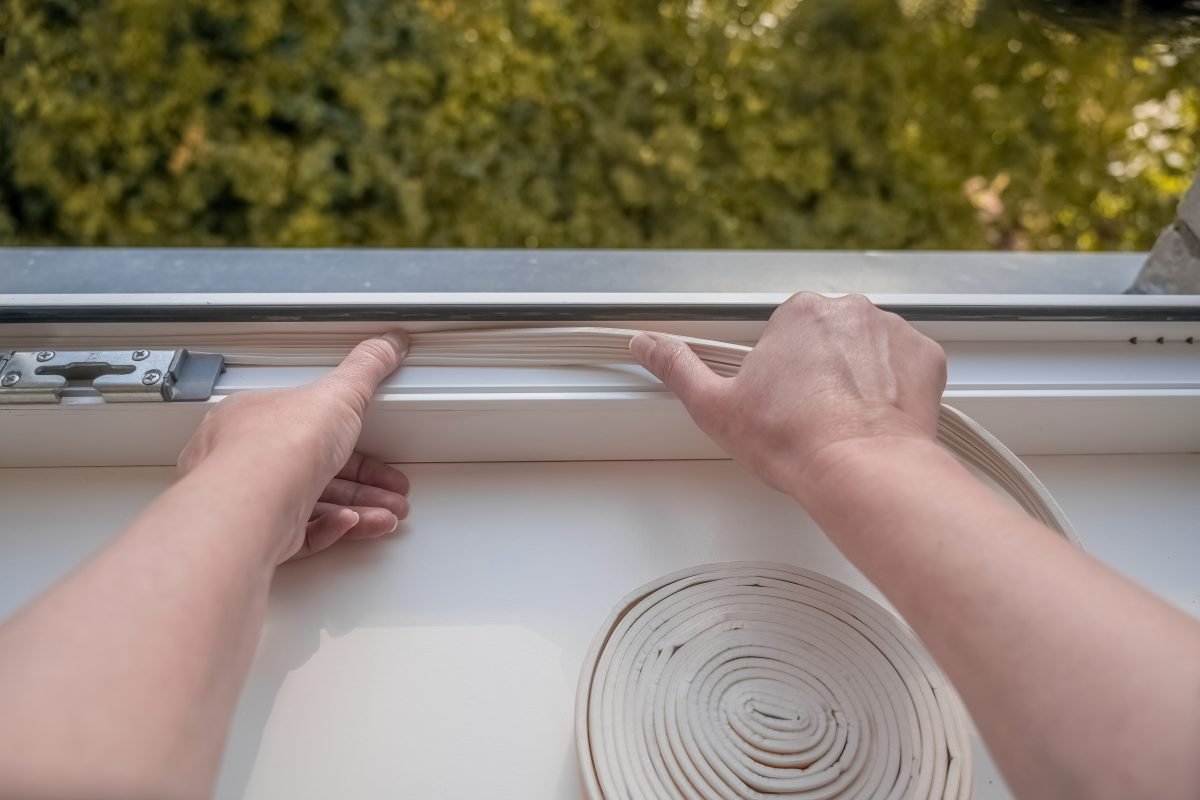
2. Replace rubber seals around doors and windows.
Replacing the rubber seals on exterior doors and windows is something many people never think of, but it significantly reduces heat loss, says Kevin Goude, owner of First Choice Heating & Air in Aynor, South Carolina. “Those rubber seals get compressed over the years, and that creates a tiny gap around a window or door frame,” he explains. “Replacing old rubber seals with new ones once every 5 years can make a huge difference.” It’s also helpful to apply caulk or weatherstripping to drafty windows and doors to keep the cold out and the heat in.
3. Install thermal curtains.
Investing in thermal curtains can save energy and money in the long run. Even when windows are new and perfectly insulated, heat still gets lost through them because glass transfers heat easily, says Goude. “Thermal curtains on windows work as a barrier between the cold glass and the room, reducing drafts and cold from radiating into the room. The thicker the thermal curtains are, the better they reduce heat loss.” They ultimately help maintain a comfortable temperature in your home without having to run the heating system as much.
Best Thermal Curtains
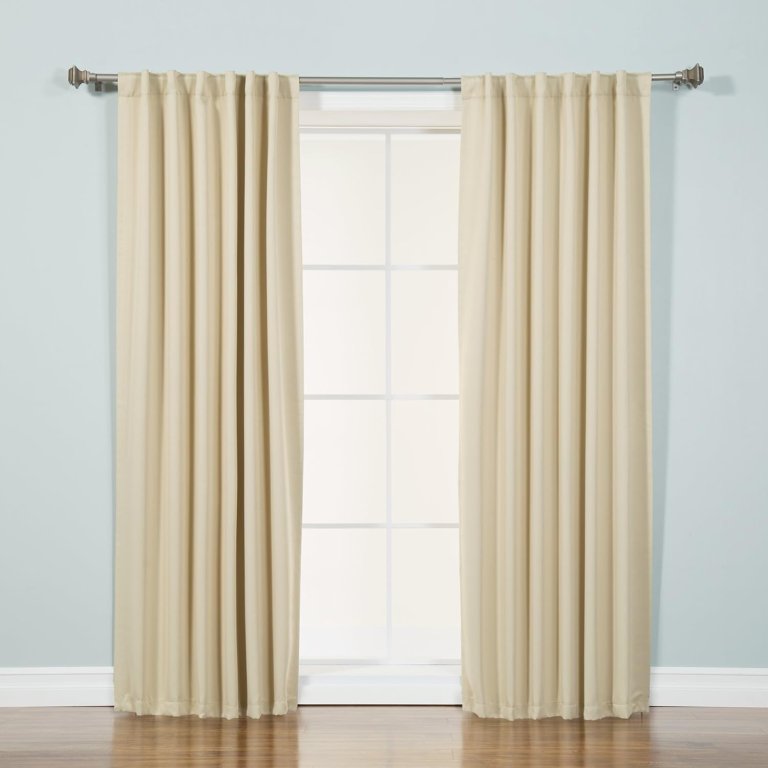
Best Home Fashion Thermal Blackout Curtains
Capable of blocking both drafts and light, these insulated curtains are highly recommended by our product testing team.
Photo: Amazon
4. Prepare outdoor faucets and hoses
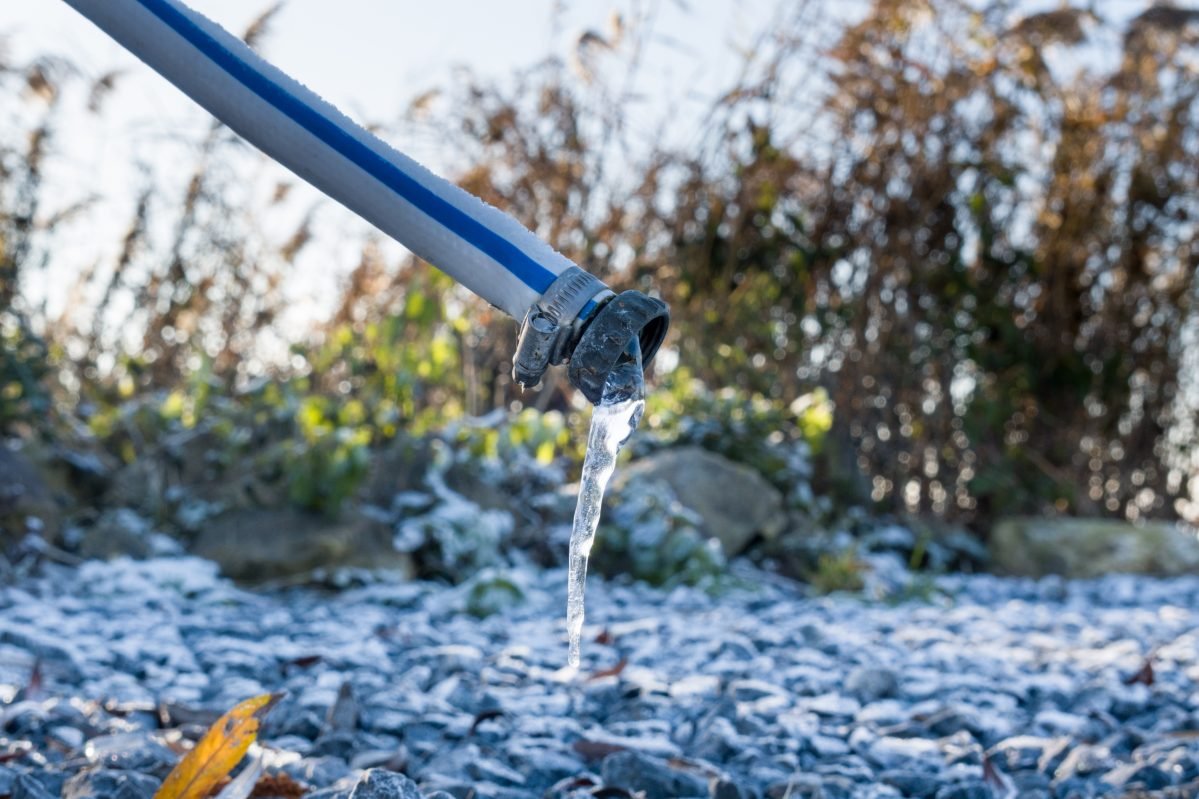
Before the first freeze of the season in cold states, take some time to disconnect and store your garden hoses to prevent any problems. “Leaving a hose connected to an outdoor faucet can trap water inside the faucet or pipe, which can freeze, expand, and potentially crack the fixture or plumbing,” explains Reddick. “If your home has shutoff valves for outdoor faucets, you’ll also want to turn them off and drain any remaining water from the faucet.”
5. Improve insulation.
Another important step to winterize your home is to improve insulation and seal areas where heat can escape. Ensuring your home has adequate insulation in areas prone to heat loss is very important, says Reddick. These areas typically include the attic, exterior walls, basement, and crawl spaces. “Adding insulation where needed and sealing gaps and drafts in these areas will keep warm air in your home and cold air out, allowing your heating system to maintain a comfortable indoor temperature and reducing the amount of work your HVAC system has to do throughout the winter, keeping energy costs more manageable,” says Reddick.
6. Set up a space heater.
A simple action you can take is to rely on space heaters to help heat up a single room. “You can just turn it on instead of raising the main thermostat and stay warm without heating the entire house in vain,” says Goude. However, space heaters use a lot of electricity, so turn them on for short periods of time in small areas of your home only, not as the replacement for a home heating system. Goude recommends choosing oil-filled radiator heaters since they are more energy efficient. “Compared to fan heaters, they cool off more slowly and keep radiating heat into the room even after being turned off,” he explains.
7. Use your thermostat strategically.
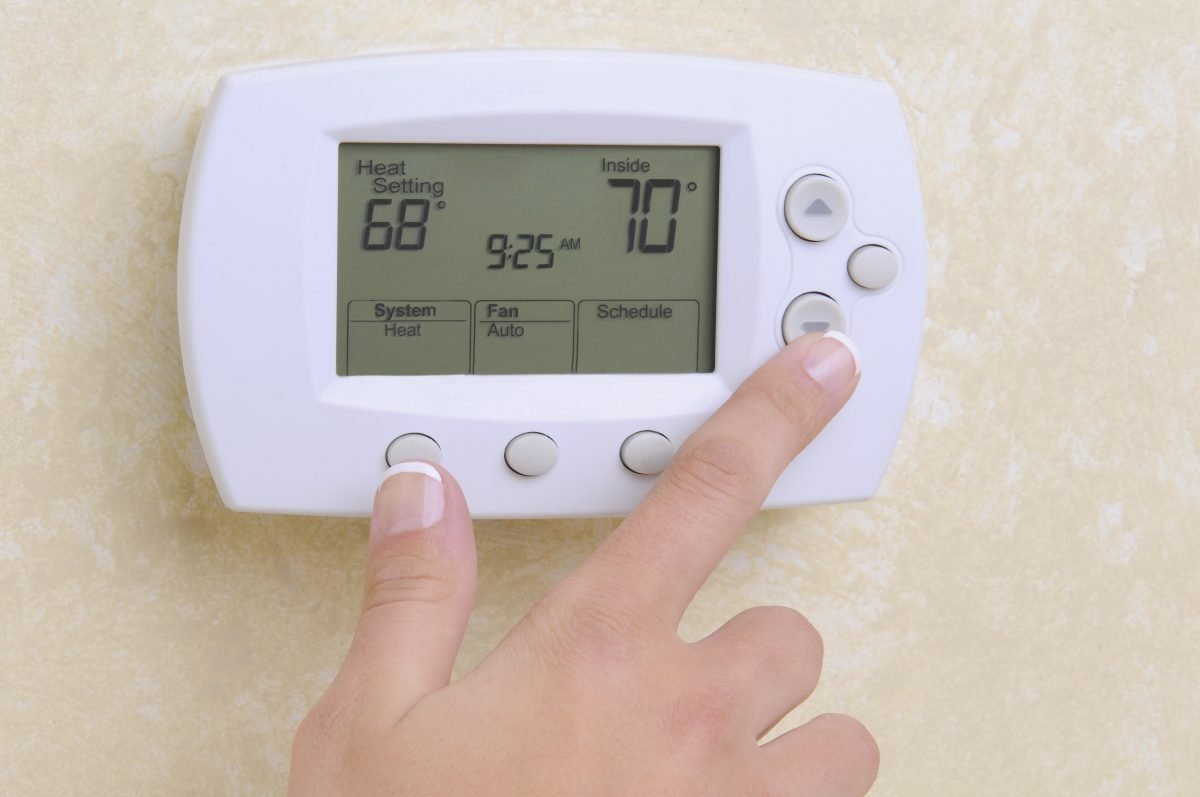
Maintaining a consistent temperature range on your thermostat can significantly help reduce heating costs when temperatures drop. Rather than constantly adjusting your thermostat, Reddick recommends using a programmable or smart thermostat that allows you to create a heating schedule based on your daily routine. “You can set the temperature a little lower while you’re asleep or away from home and have it return to a comfortable setting before you wake up or return,” he explains. “This prevents any unnecessary heating when your home is unoccupied or the residents are less active.” Maintaining a strategic temperature range also prevents your heating system from constantly adjusting to large temperature swings, which can put a lot of wear and tear on its mechanical components.
The post Winter Is Expensive—Doing These 7 Things In October Can Help appeared first on Bob Vila.