
We may earn revenue from the products available on this page and participate in affiliate programs. Learn More ›

Every year, about 300 people in the U.S. are struck by lightning, according to the National Oceanic and Atmospheric Administration. While roughly 90 percent survive their injuries, it’s still a good idea to steer clear of one of Mother Nature’s most powerful forces. The best way to protect yourself is to avoid being outside when the sky is flashing. During peak thunderstorm months especially (late spring through summer in much of the U.S.), always check the weather forecast before planning outdoor activities, and have a plan for unexpected storms.
Storm intensity appears to be increasing with climate change, even leading to more short but severe storms. Those lead to more lightning and greater risk of other potentially hazardous situations like flooding. In fact, more people in the U.S. die from floods each year than from lightning strikes, another danger of strong storms.
If you get caught outside in a violent storm, take the advice of the National Weather Service: “When thunder roars, go indoors!” But there’s more to staying safe during a thunderstorm than simply heading inside. After all, one-third of lightning-strike injuries occur indoors. To keep yourself and your family safe, take note of these things that you should never do during a thunderstorm.
1. Take a Bath or Shower

Never take a bath or shower during a thunderstorm. If lightning strikes near you, electrical currents could travel through the pipes in your home, putting you at risk of electrocution.
2. Sit on Concrete

Never sit down or lean on concrete during a thunderstorm. Concrete is almost always reinforced by metal rebar or wire mesh, and both are effective conductors of electricity.
RELATED: These 30 Places Have the Worst Weather in America
3. Use a Corded Phone

While it is safe to use a cell phone (if it’s not plugged into a wall charger, that is) during a thunderstorm, it is not safe to use a corded phone. Lightning can travel through the phone lines—and if it does, you could be electrocuted.
4. Stand Out in the Open

You should never stand out in the open during a thunderstorm. Inside an enclosed building is the safest place to be. If you do get caught outdoors, head as quickly as you can to a hard-topped car or the closest building. If you have no other option, crouch down low, with as little of your body as possible touching the ground. While crouching doesn’t actually protect you from injury, you’ll be less likely to get struck by lightning as it makes its way toward the ground.
5. Huddle Together for Safety

If you’re stuck outdoors in the open with a group of people during a lightning storm, don’t clump together to try to get out of the rain or wind. Instead, spread out at least 15 feet apart to minimize the likelihood that you will all get hit.
6. Stand Under a Tree
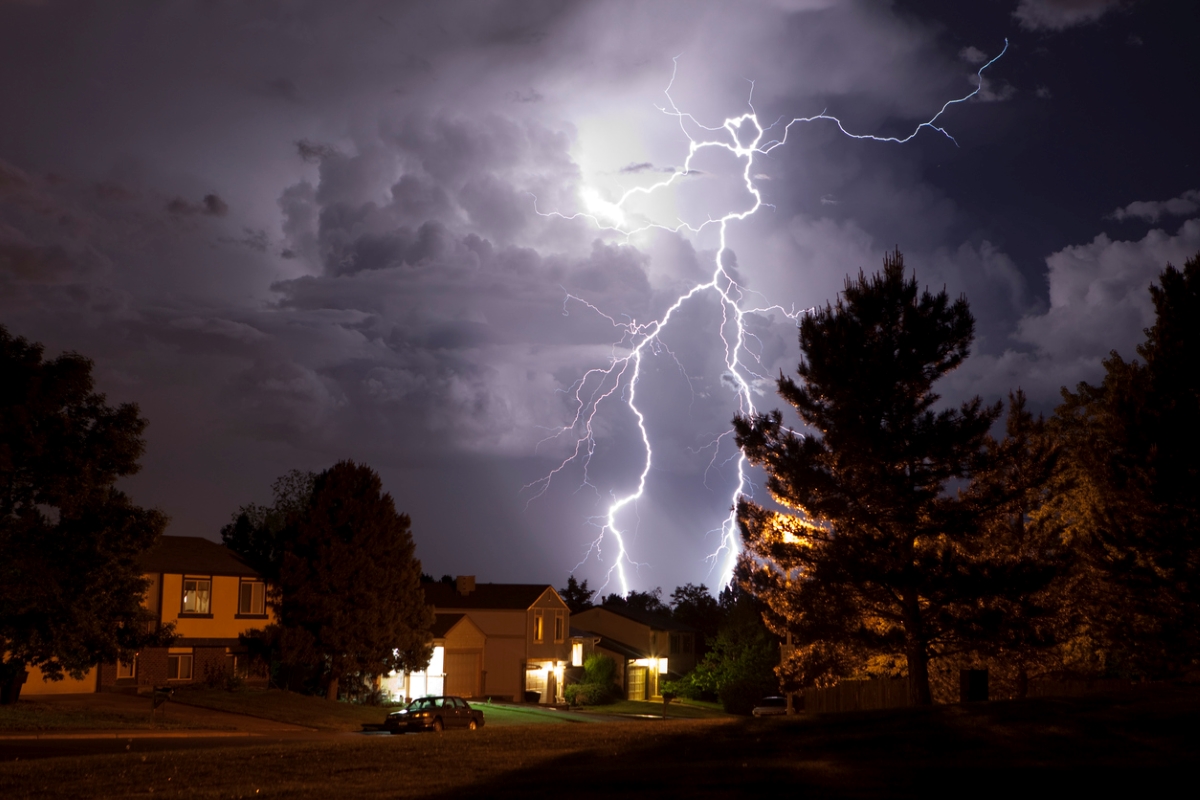
Standing under a tree in a thunderstorm is incredibly dangerous. Because of their height, trees are likely to attract lightning as it heads toward the ground. A human being, however, conducts electricity better than a tree does, so if you’re near a tree, the lightning could easily jump from the tree to you.
7. Stand Near a Window

Keep well away from windows during a thunderstorm to avoid injury. Many windows, both old and new, are constructed of metal or have metal parts that can conduct lightning. In addition, high winds during a storm can blow objects into windows, breaking the glass and potentially causing harm.
8. Keep Tech Gear Plugged In

Anything that’s plugged into a power strip or outlet in your home is at risk of being damaged from an electrical surge during thunderstorms. If an electrical storm has been forecast, unplug your computer, laptop, and other devices, and consider unplugging appliances. At the very least, plug appliances into a surge protector if they aren’t already, but understand the surge protector probably can’t stand up to a lightning strike.
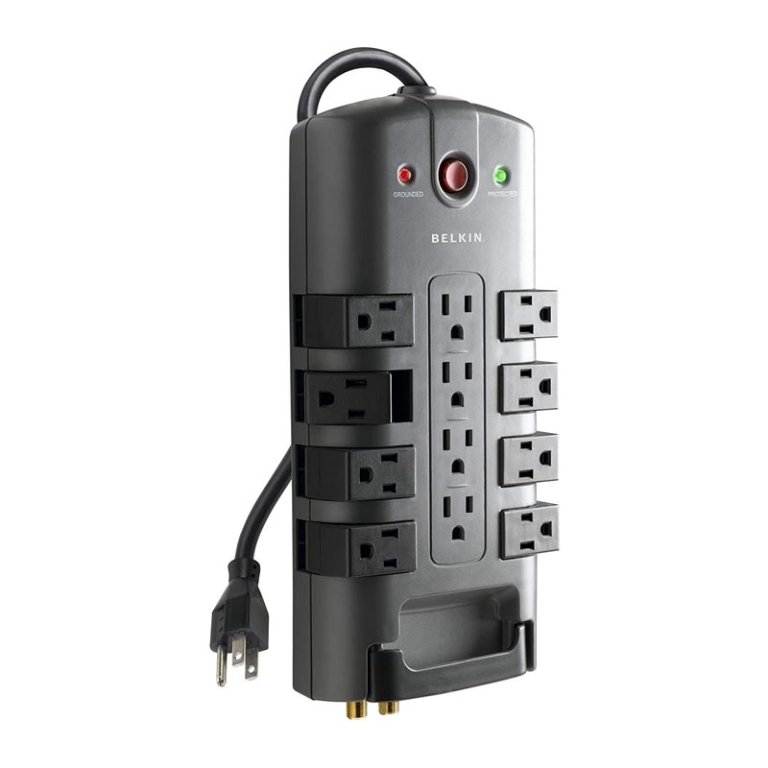
Photo: amazon.com
Belkin 12-Outlet PivotPlug Surge Protector
The Belkin surge protector has a 4,320-Joule surge protection rating, 8 rotating AC outlets, 4 standard outlets, and an 8-foot cord. Read the review.
Photo: amazon.com
9. Lie Down on the Ground

You don’t want to be the tallest thing around if you’re caught outdoors in a thunderstorm, but in your efforts to make yourself shorter, don’t make the mistake of lying down on the ground. When lightning strikes, electrical currents can travel along the surface of the ground for more than 100 feet. By stretching out on the ground, you’re making yourself a bigger target.
10. Wash the Dishes

You shouldn’t wash dishes during a thunderstorm for the same reason you shouldn’t bathe during a thunderstorm: Lightning can travel through pipes, electrify your faucet, and cause injury. This is one hazard that’s easy to avoid: The dishes can wait.
11. Use Small Appliances

A thunderstorm is not the time to do the ironing, blow-dry your hair, or whip up a batch of meringue in the electric mixer. Any appliance plugged into an electrical outlet could carry a current should lightning strike, and you could be harmed if you’re handling, or even just very near, that appliance at the time.
12. Do Laundry

Your washer and dryer are plugged into outlets, which is the first strike against them. The second strike is that they are made of metal, so lightning can run through them the same way it can your toaster or blow dryer. You definitely do not want to be near your washer and dryer during a thunderstorm, so give yourself a break from doing the laundry and curl up with a good book instead.
13. Take a Swim

Water is an excellent conductor of electricity, as are many of the structures that surround swimming pools, such as metal ladders and diving boards. The American Red Cross recommends the 30-30 rule: Leave the pool and take cover when the time between lightning flash and thunder is 30 seconds or less, and remain under cover for 30 minutes after the last lightning is seen and thunder is heard. Although there has never been a documented lightning-related fatality at an indoor pool, many organizations, including the Red Cross, apply the 30-30 rule to indoor pools as well.
14. Run to the Nearest Gazebo

When you’re caught outdoors in a thunderstorm, you might be tempted to run to the nearest shelter, even if it’s a gazebo or picnic pavilion. Structures that aren’t completely enclosed will not protect you from lightning. If you can’t make it to a building run for your car, assuming it has a hard top.
15. Go Back Outside After the Last Clap

The 30-minute rule doesn’t just apply to swimming pools: You should always wait 30 minutes after the last lightning you see (or thunder you hear) before heading back outside, or resuming any indoor activities that you were avoiding during the storm.
The post 15 of the Most Dangerous Things You Can Do During a Thunderstorm appeared first on Bob Vila.