
We may earn revenue from the products available on this page and participate in affiliate programs. Learn More ›
Simply seeing a pipe in your home is very different from actually knowing what it carries, what it’s made of, and whether it needs to be replaced. Some pipes are specifically designed to carry gas, while others carry potable water, wastewater, or even sewer gases.
You can find pipes made of copper, steel, iron, and plastic, each with different benefits and drawbacks, as well as certain limitations that may make them more or less effective, depending on the job. Whether you plan to do work around the house or just want to know how to identify the different types of plumbing pipes in your home in case of an emergency, this guide can help. Learn the pros and cons of common pipe materials and the best pipes to use for plumbing.
Common Household Plumbing Pipes
Studies are constantly being conducted on the materials used in residential and commercial buildings, so there is some variability in the water pipes for house construction depending on the year the home was built, the safety of the materials, and the purpose of the piping. Below are the most common household plumbing pipes, including PEX pipe, copper, PVC, and more.
1. PVC Pipe
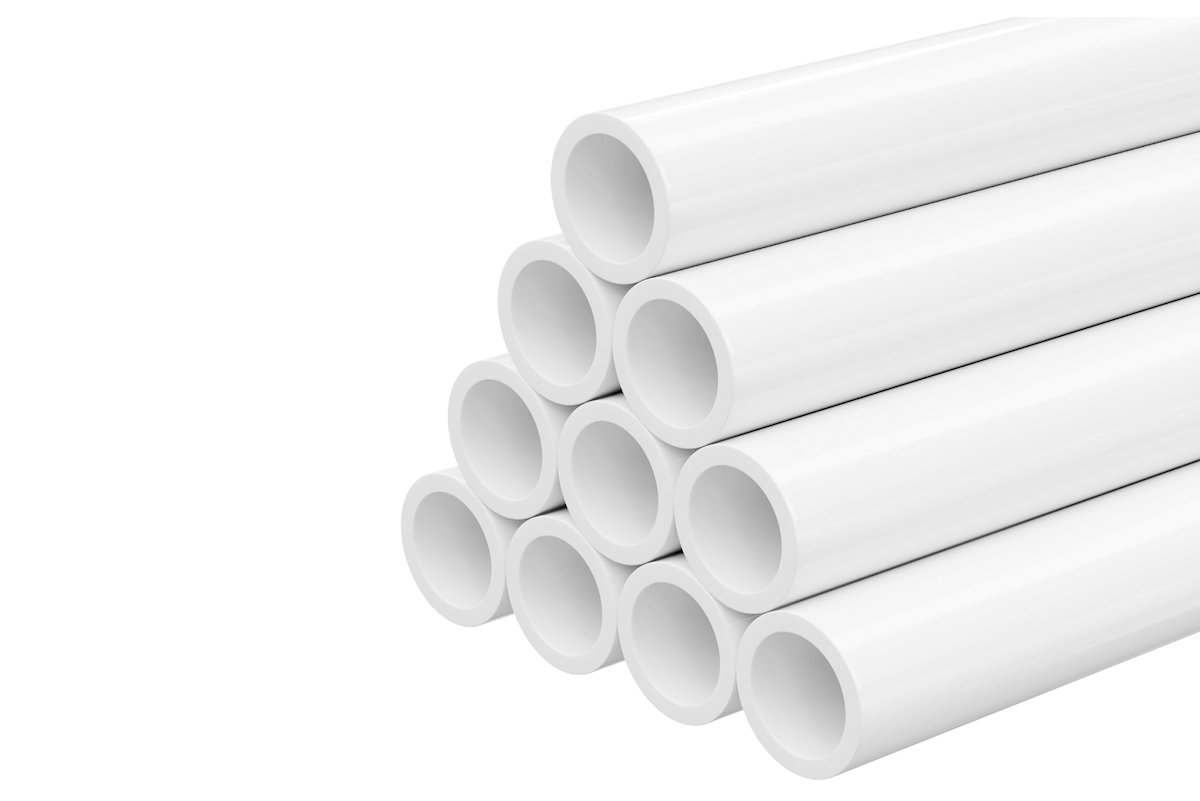
Polyvinyl chloride, or PVC, or is a type of plastic pipe commonly used in both residential and commercial buildings to collect and redirect the flow of wastewater and sewer gases. “This is the most common and usually pictured in mind when people think of plumbing pipes. It’s commonly used for both sewer and wastewater lines,” explains Travis Hargrave, plumber and owner of Hargrave’s Plumbing.
PVC pipes are strong, durable, and relatively inexpensive. They can be used indoors, outdoors, and even underground. Their versatility makes them a go-to option for home builders and plumbing pros, though it should be noted that they are not suited for high temperatures. To connect PVC pipe, you need to cut the pipe, apply primer, apply cement, and then slot a fitting over the cut end that is suitable in size, essentially binding the pieces together.
Best For: Gravity-fed drain, waste, and vent (DWV) systems and below-ground exterior irrigation.
2. PEX Pipe
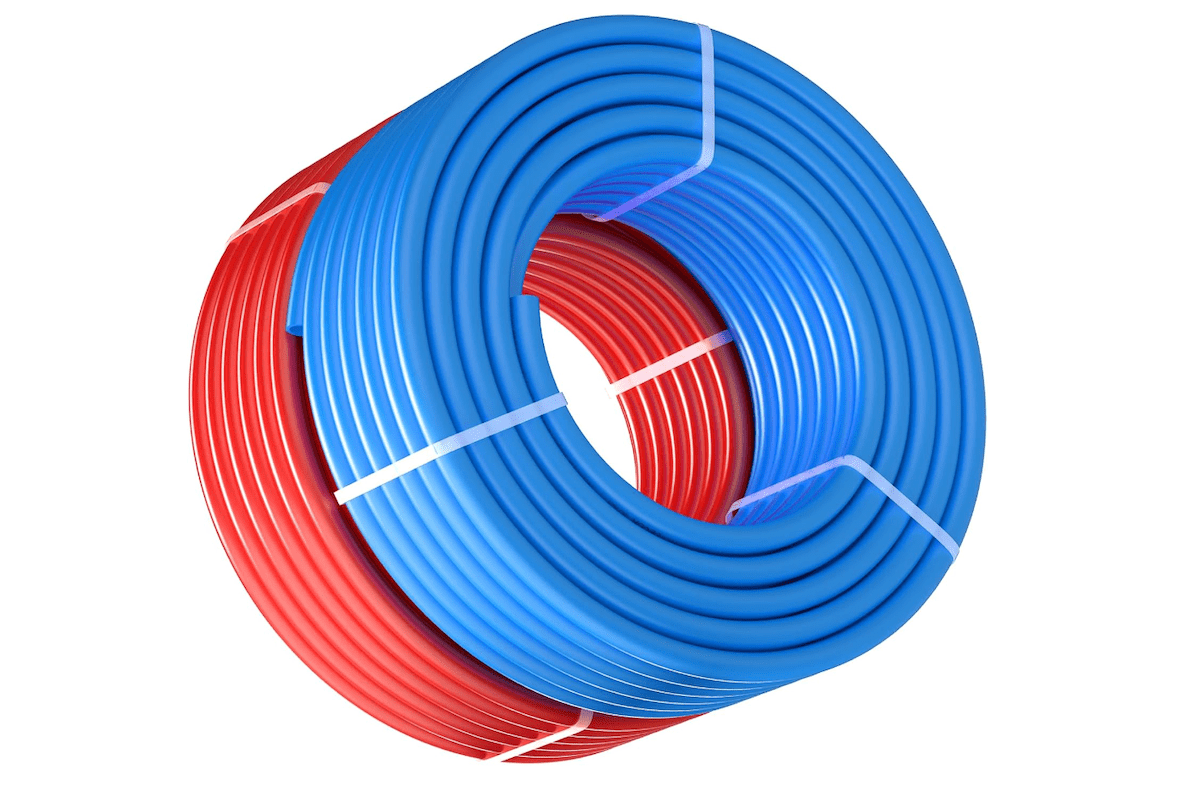
PEX, or cross-linked polyethylene, another type of plastic pipe, is primarily used for carrying hot and cold water throughout the home. “This is arguably the most common water pipe installed in new homes nowadays,” notes Hargrave. “Typically, the pipes are colored blue or red to indicate hot or cold. This piping connects by using compression rings, but a specific tool is needed to compress the rings.”
Whether to use PEX vs. copper pipe is a common question. PEX’s flexibility and color-coded design make it a great choice for water supply lines, though it lacks the durability and longevity of copper. There are three main types of PEX, named A, B, and C. PEX-A is the most flexible, but least durable; PEX-B has average flexibility and durability; and PEX-C is stiff, but good for quick repairs. However, it’s important to note that PEX is vulnerable to rodents, so if you have recurring issues with mice, rats, or other rodents, it may be better to go with copper or even CPVC pipe.
Best For: Indoor hot and cold water distribution lines.
3. Copper Pipe
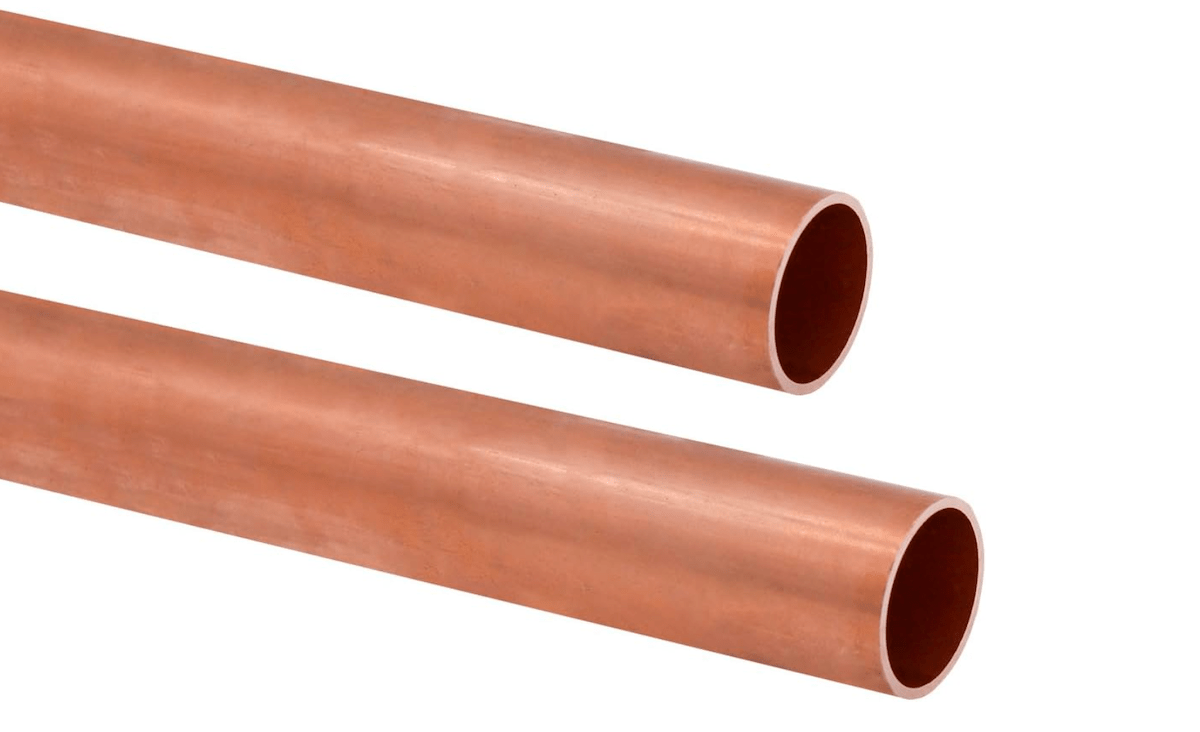
Easily the most widely used pipe for residential and commercial water supply, copper pipes are durable, long-lasting, and resistant to corrosion, and can be used with both hot and cold water. Hargrave mentions that copper pipe is “most commonly used as water piping, but it’s rarely used as drain pipes despite the corrosion-resistant material and long lifespan.”
There are several different types of piping made with copper, including rigid and flexible varieties, as well as copper with different wall thicknesses. However, copper is one of the more expensive pipe materials, and it must be soldered together or connected with compression fittings. If you lack experience working with copper pipe, you may need to leave the job to a plumbing pro.
Best For: It is best used for main water supply lines, bathroom and kitchen fixtures, and exposed pipework.
4. ABS Pipe
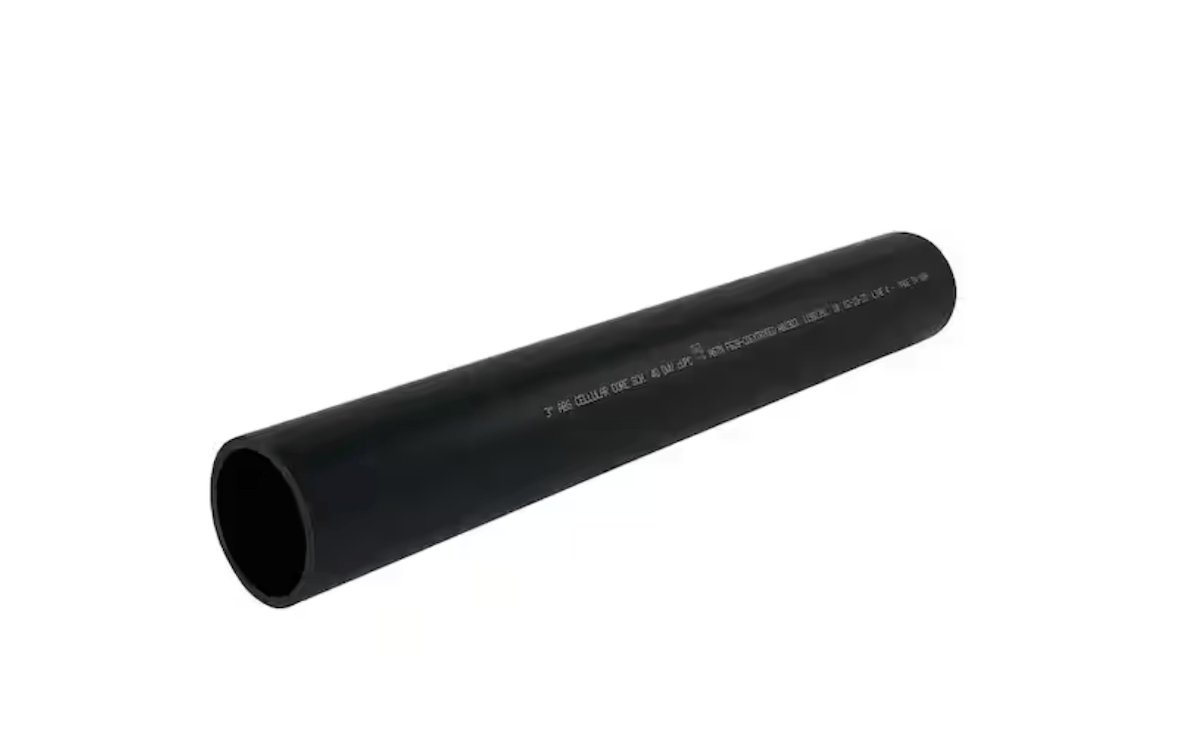
Acrylonitrile butadiene styrene, or ABS, is a common type of black plastic drain pipe that was once widely used in place of PVC pipe. Hargrave states that ABS “isn’t universally banned, but some states, such as California, don’t allow it due to batch problems in the ‘80s. Also, it has trouble with high temps and sunlight exposure, so it’s primarily used on sewers in the homes.”
This rigid black plastic pipe is highly durable and impact-resistant. It can withstand cold temperatures, and it’s relatively expensive. You join the pieces of ABS in the same way you would connect PVC pipe: by cutting the pieces, applying primer, applying pipe cement, and then slotting the pieces together. Because this pipe is prone to warping in sunlight, it’s best used underground.
Best For: Where allowed, it is best used for indoor and outdoor drain, waste, and vent (DWV) lines.
5. CPVC Pipe
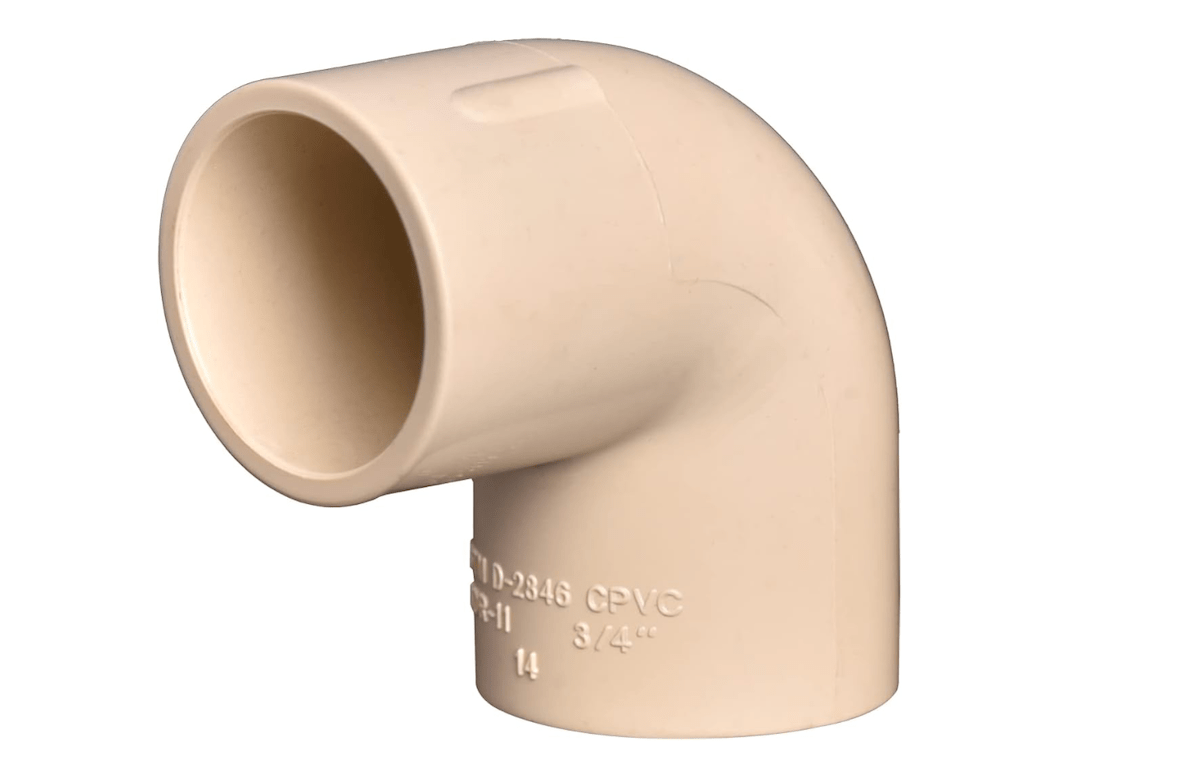
Similar to PVC but designed for a different use, CPVC, or chlorinated polyvinyl chloride, is harder and more durable than PVC pipe. It is also resistant to higher temperatures, allowing it to safely distribute both cold and hot water throughout the home without concern that it will break down or leach into the water. Since it’s cheaper than copper, it can be a great alternative for your home.
When learning about DIY plumbing, it’s important to understand that different types of pipes have different purposes. PVC is the standard for drain, waste, and vent systems, and while CPVC can technically be used for corrosive wastewater and industrial fluids in specialized chemical applications, it is commonly used for fresh, potable water, not for waste.
Best For: It is best used for indoor hot and cold water distribution lines, especially in areas where local codes permit it as an alternative to copper.
6. Galvanized Steel Pipe
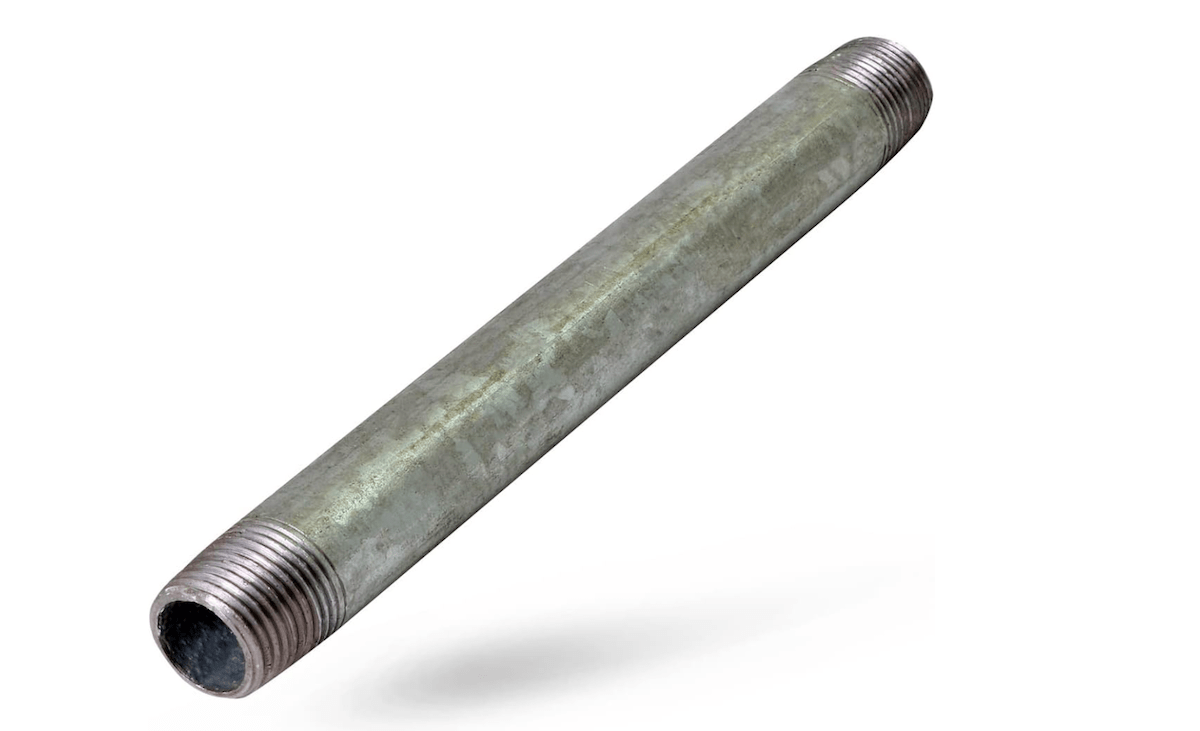
Galvanized steel is one of the many types of water pipes that are no longer used in new construction. These heavy, highly durable metal pipes stopped being used when it was discovered that the internal zinc coating tends to degrade over time, exposing the steel to rust, which causes severe damage to the structure and function of the pipe.
The degradation of the steel can release harmful contaminants into the drinking water, and, due to the weakening of the pipe, galvanized steel water lines are at a higher risk of leaking or bursting when there is a pressure change to the system, such as turning the water off and back on at the main shut-off valve. Hargrave notes that galvanized steel pipe is “common on older homes as water pipe, but now it is most often used on gas.”
Best For: Galvanized steel was used for water lines, though it is now rarely used for anything besides gas lines.
Other Types of Plumbing Pipes
Beyond the common plumbing pipes listed above, there are several other types that you may see or hear about. However, these plumbing pipes are either no longer widely used or they may have very specific uses, such as stainless steel’s use in coastal cities or high-density polybutylene being used for underground plumbing.
1. Cast-Iron Pipe
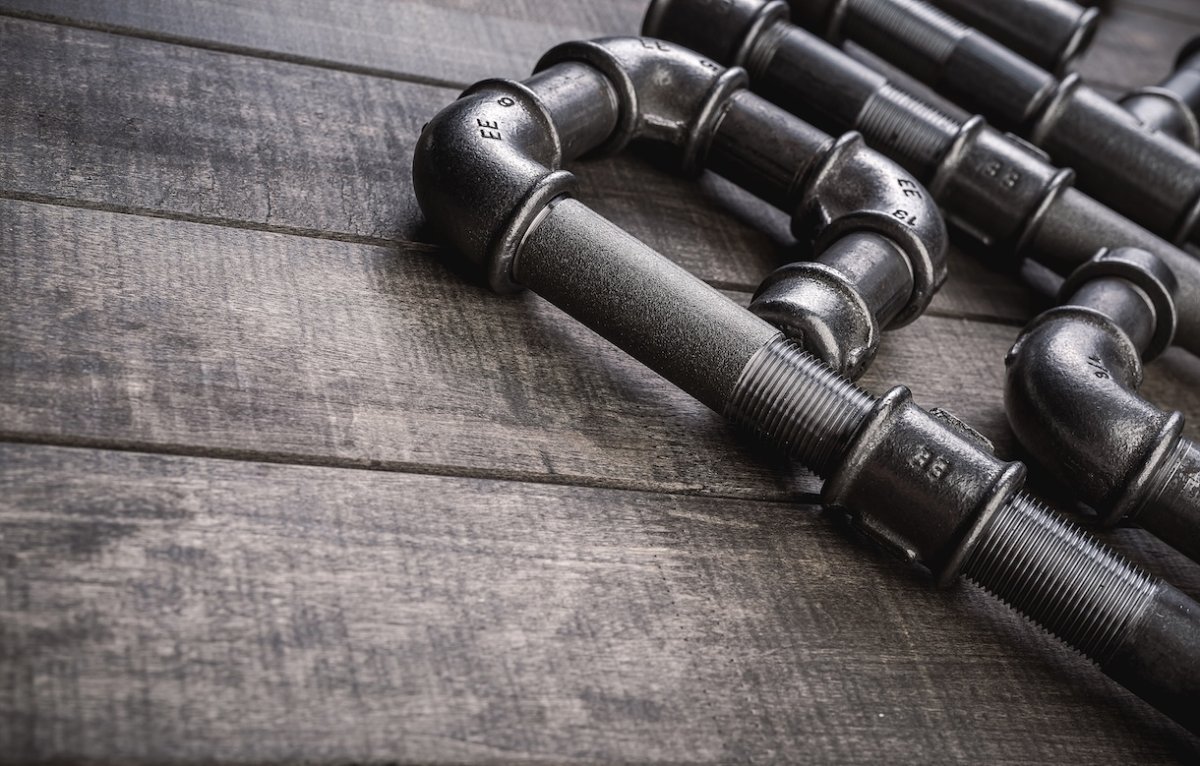
Cast-iron pipe, like galvanized pipe, is no longer used in residential plumbing. “Common in old homes and large commercial buildings, it is heavy duty and durable. Old homes often had lead joints to lock these together. Cast iron has also been used as sewer pipe in the past,” explains Hargrave.
The heat-resistance, high durability, and sound-muffling qualities of cast iron once made it a popular choice for water lines and drain lines, but it is vulnerable to rust buildup and corrosion, which eats through the pipes, causing leaks. This corrosion can also seep into the water if cast iron is used for water lines. Due to these hazards, cast iron is no longer used for piping, though it may still be found in some older homes.
Best For: Used in older homes or commercial buildings for drain, waste, and vent (DWV) lines and main sewer stacks.
2. Polybutylene Pipe
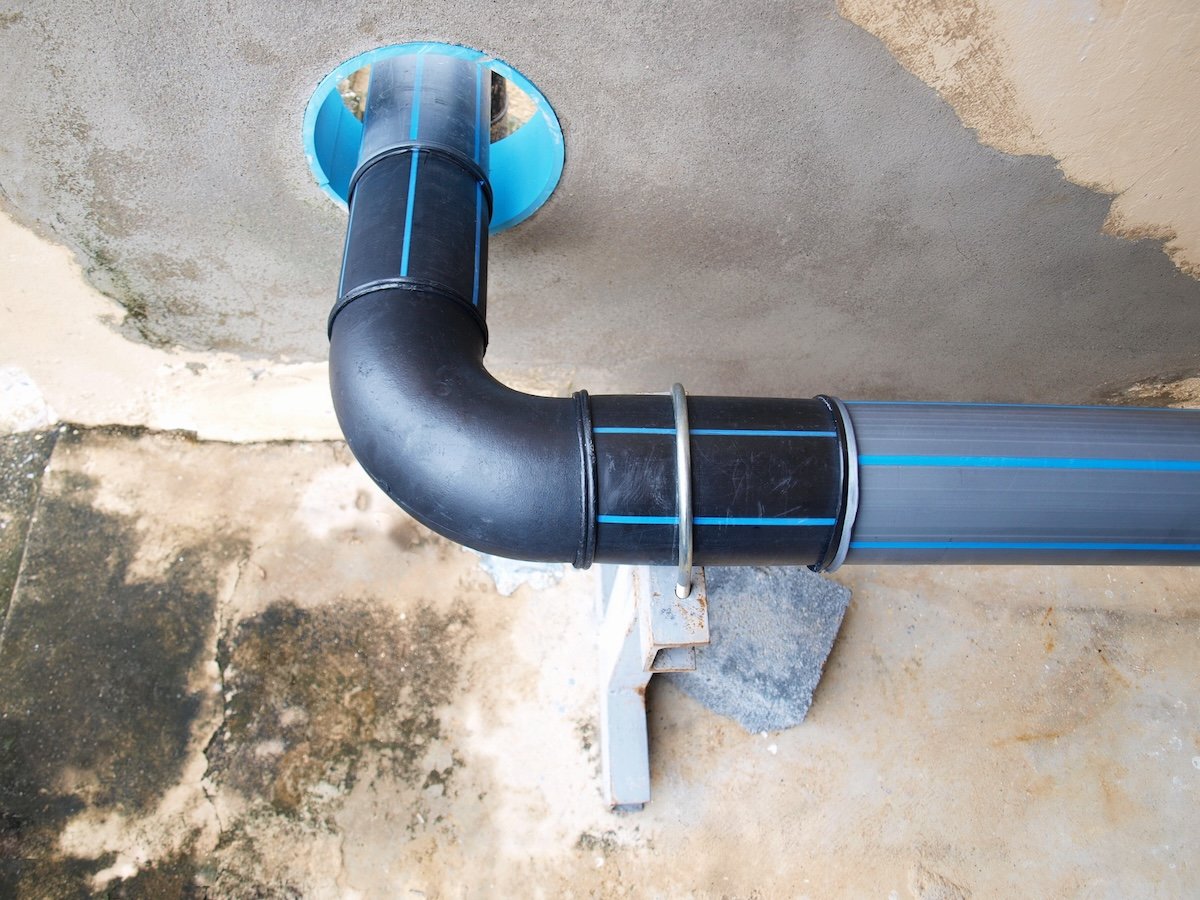
For a short time between the 1970s and 1990s, polybutylene pipe was used for hot and cold water lines in residential plumbing. However, this plastic pipe was prone to deterioration from the inside, causing leaks, sudden breaks, and flooding, which led to production stopping in 1996.
In fact, the durability and longevity of this type of pipe were so unreliable that it actually took a while for PEX piping, a different type of plastic water line pipe, to overcome the poor impression of plastic pipe left by polybutylene. If your home still has polybutylene pipes, they should be replaced as soon as possible.
Best For: Not recommended for use and has been widely discontinued because it degrades, becomes brittle, and is highly prone to sudden leaks.
3. High-Density Polyethylene Pipe
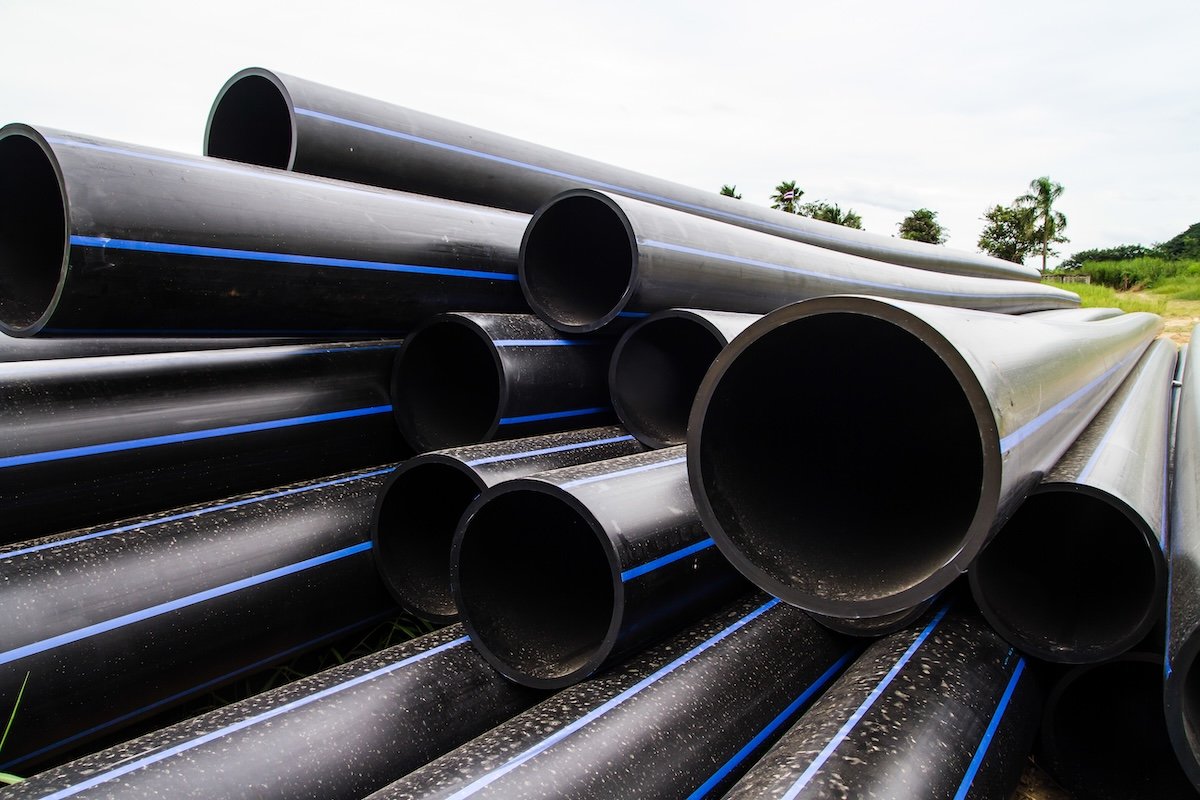
Developed in the 1950s, high-density polyethylene (HDPE) pipe is still in wide use today. It is, however, vulnerable to high temperatures, which can cause it to crack or even melt, so it is primarily used underground. This type of pipe is flexible and able to hold up well in cold weather, which is why it is commonly used for running main water service lines and underground municipal plumbing.
Best For: It is best used for underground plumbing, such as main water service lines from the street to the house, as well as municipal piping.
4. Stainless Steel Pipe
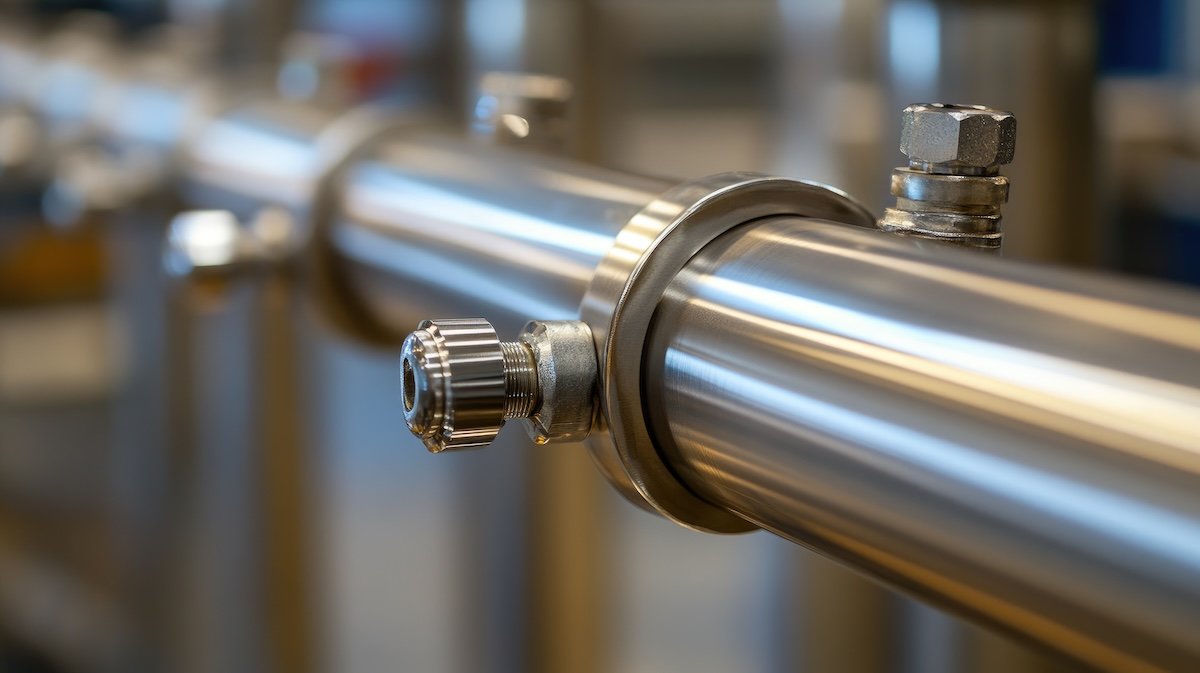
You won’t see stainless steel plumbing lines in most homes, but for those that are close to the coast, stainless steel is a go-to option due to the material’s high resistance to corrosion, which keeps the pipes in good condition even in the salty air. Because stainless steel pipes are one of the most expensive types of plumbing pipes, they are rarely used throughout an entire home.
Best For: Stainless steel is best used in commercial, industrial, and coastal applications where water is highly corrosive.
5. Black Iron Pipe
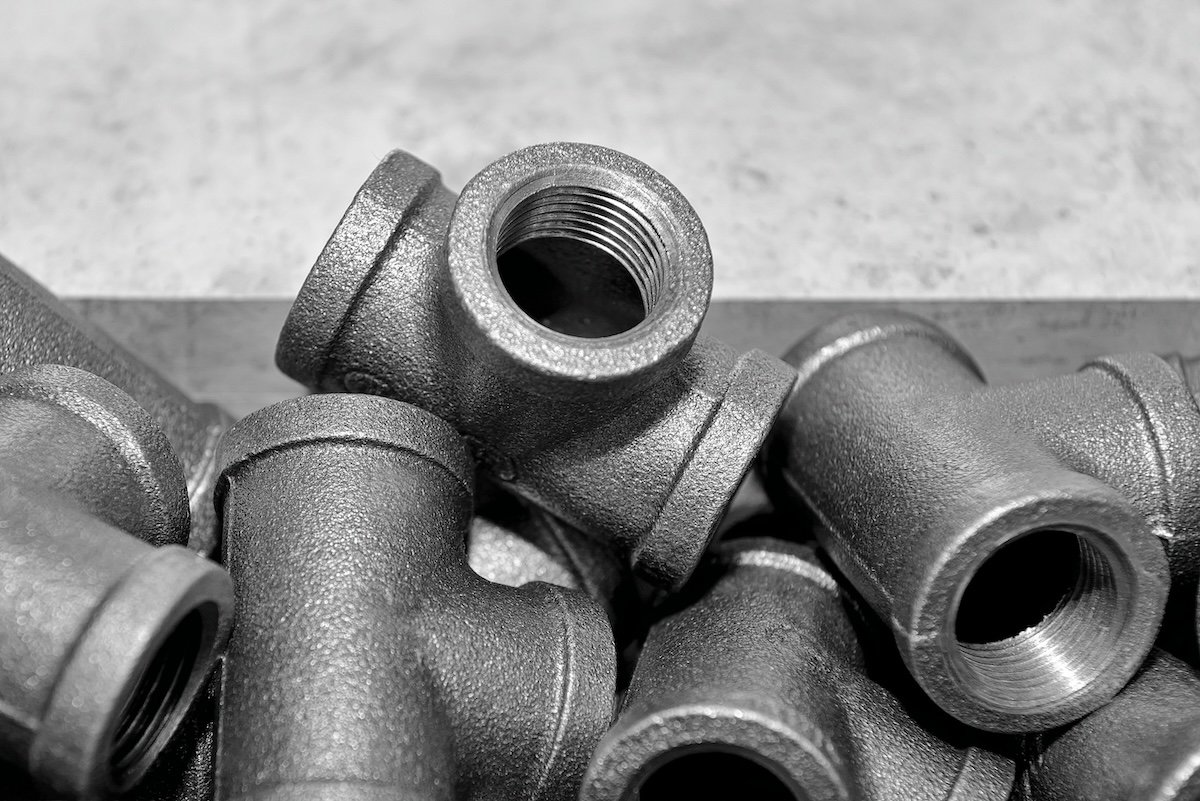
At one time, black iron pipe was used for water supply piping, but as it is uncoated and rusts easily when exposed to water, it was quickly replaced with more suitable options, like copper. However, since this type of pipe is strong, durable, and capable of withstanding high temperatures, it was useful for natural gas and propane systems. Hargrave notes that black iron pipe is now used only as gas piping: “Typically, it is cheaper than galvanized pipe, which is why contractors often use it when installing new gas lines.”
Best For: Black iron is now specifically used for natural gas and propane distribution lines.
Final Thoughts
Learning about types of plumbing pipes helps prevent costly water damage and ensures code compliance. If you live in an older house, understanding different pipe types can also help you identify hazardous or outdated materials in your home that may require immediate replacement. DIYers who are familiar with plumbing pipes can tackle basic upgrades and repairs, such as fixing leaks or replacing fixtures, confident in knowing which tools and fittings to buy and without having to hire a plumber.
The post 11 Types of Plumbing Pipes and What Each One Does appeared first on Bob Vila.