
We may earn revenue from the products available on this page and participate in affiliate programs. Learn More ›
As the crisp autumn air moves in and summer perennials begin to fade, transitioning your outdoor space with a thoughtful approach to fall landscaping is the secret to a healthy, vibrant yard next spring. Cooler temperatures might signal that it is time to wind down yard work, but this is actually a critical season for maintenance, offering the ideal conditions for root establishment and garden prep.
Knowing exactly what to do can feel overwhelming, since various plants require entirely different approaches. We spoke to several landscaping experts to find out what kind of care each type of plant needs during this time of year.
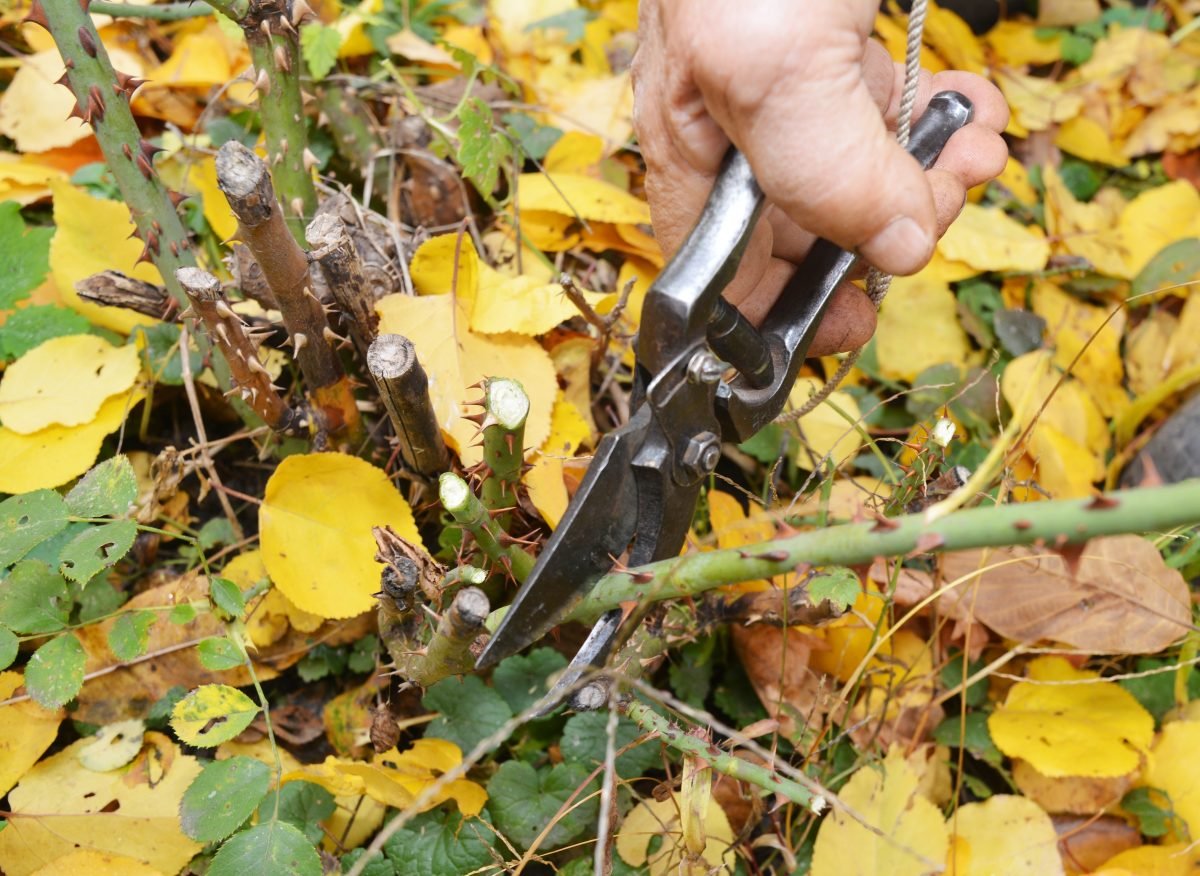
What to Cut
Pruning plants can encourage new growth and fruit or flower production, shape a plant, or thin it out for better light and air circulation. Fall is a good time to cut back some perennials that have finished flowering, such as daylilies, hostas, and peonies, especially once their foliage starts dying back, says James de Lacey, owner of Texas Tree Post in Austin, Texas. “You can also remove dead, damaged, or diseased branches from trees and shrubs.” After a damaging frost, homeowners can cut back ornamental grasses to make way for new spring growth as well, adds Judd Fitzgerald, sales manager at Richlawn Company in Platteville, Colorado.
However, de Lacy recommends avoiding heavy pruning of most woody plants in the fall, particularly spring-flowering shrubs like lilacs, azaleas, forsythias, and rhododendrons because you risk cutting off next year’s flower buds.
Best Overall Pruning Shears
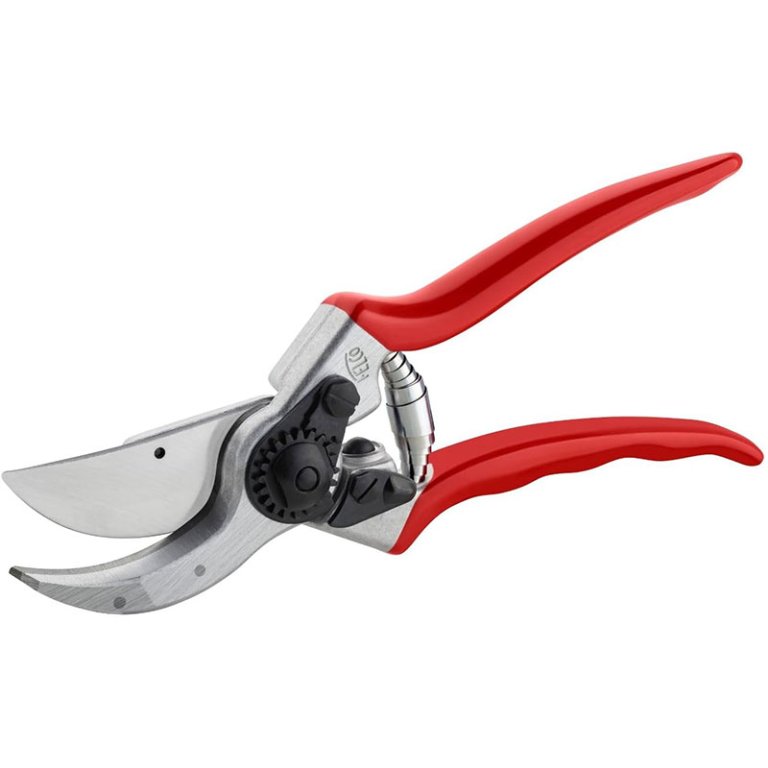
Felco 2 One-Hand Classic Manual Pruning Shear
BobVila.com’s product testers say these pruners perform best in terms of comfort, strength, durability, and ease of use.
Photo: Amazon
What to Plant
Fall is one of the best times to plant deciduous trees like maples, oaks, and birches, along with shrubs, says de Lacey. Conifer ornamental trees are also good candidates for fall planting, adds Fitzgerald. As long as the ground isn’t frozen, plants and trees can keep growing roots through winter. Additionally, the cooler temperatures and naturally moist soil help roots establish without the stress of summer heat.
Fall is also an ideal time to plant spring-flowering bulbs like tulips, daffodils, alliums, and crocuses so they can go through the cold period they need to flower properly, says Jose Lopez, owner and founder of Williams Landscaping Inc. in Chicago, Illinois. “Hardy perennials like coneflowers and black-eyed Susans can also be planted in early fall, provided they have enough time to establish before the ground freezes,” notes de Lacy. However, avoid planting tender annuals or plants that need a long stretch of warm weather to establish when frosts are approaching, warns Lopez.
What to Mulch
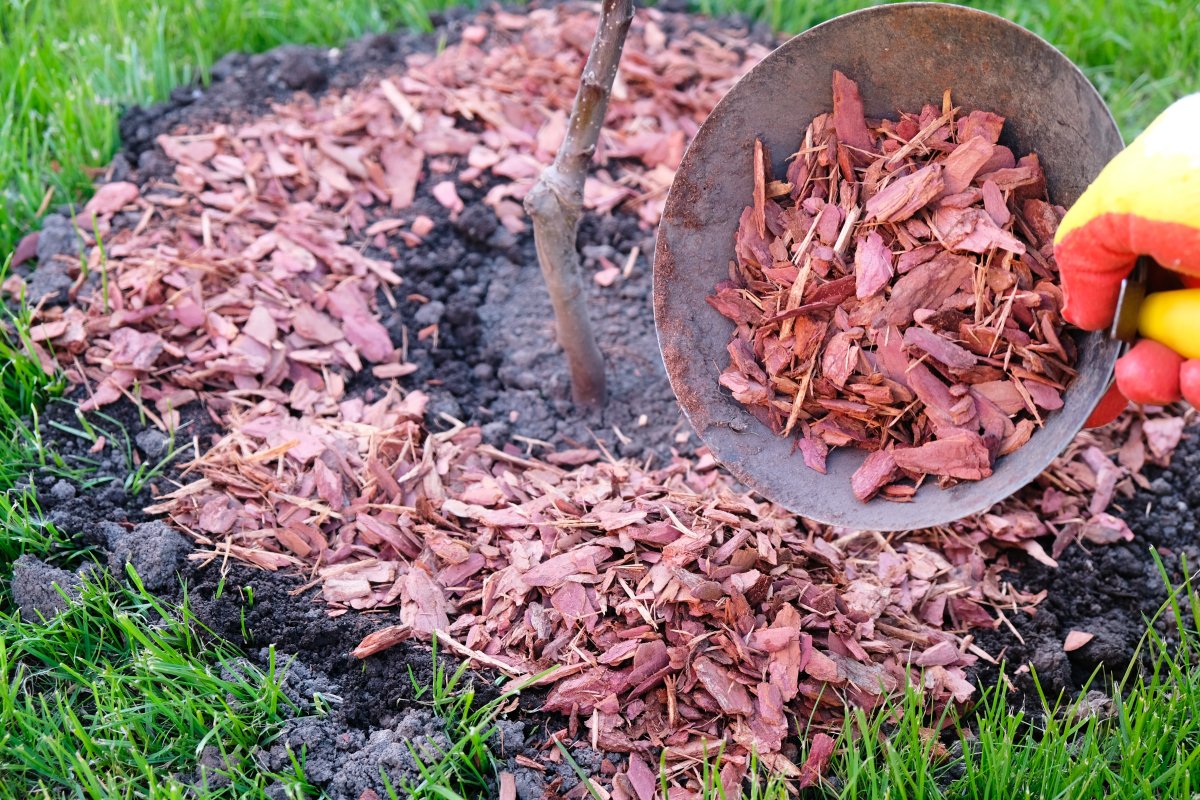
Anything you planted this year, including trees, shrubs, and perennials, can benefit from mulch for winter protection since the plants’ roots haven’t had much time to establish yet, says Lopez. “A couple inches of mulch on top of the soil can help protect the roots, but keep it pulled back from the trunk and stems,” he advises. “Think of mulch as a blanket, not a mound,” says Lopez. “If you pile it against the bark, it holds moisture and can contribute to rot. That’s the kind of problem we see when spring cleanup comes around.”
Roses and perennials with shallow roots can also need extra insulation, depending on the variety and how exposed the planting area is. Garlic planted in the fall also can benefit from a layer of mulch. If you have containers that need to stay outside, you’ll want to protect the roots inside because the soil in a container can freeze more quickly than the ground, says Lopez.
What to Leave Alone
Some plants in fall landscaping don’t need any attention at all this time of year. You don’t need to prune established, climate-appropriate healthy trees and mature shrubs just because winter is coming. Plus, if there’s already enough mulch around them, there’s no need to add more, says Lopez. Mature maples, oaks, and other hardy deciduous trees can generally be left alone as they enter dormancy, adds de Lacey. Other plants to leave alone include:
- Spring bulbs like tulips and daffodils that are already planted in the ground.
- Established native plants that are growing well and have made it through previous winters without any issues.
- Ornamental grasses like switchgrass and little bluestem that are adding color to your fall lawn.
- Perennials that aren’t showing any signs of disease or damage.
- An established, healthy lawn.
The post The Fall Yard Reset: What to Cut, Plant, Mulch, and Leave Alone appeared first on Bob Vila.