
We may earn revenue from the products available on this page and participate in affiliate programs. Learn More ›
Attracting more pollinators has been a major goal of mine for years, so I decided that I wanted to take No Mow May further and overseed my lawn with clover a few years back. The idea behind it was solid: I’d read that non-traditional lawns like clover require less water and maintenance than traditional turfgrass lawns and offer more benefits to wildlife. But I’ll admit I just kind of winged it when planting my clover lawn, and it was definitely a learning experience that I’d do a little differently today.
If you’re interested in growing your own clover lawn, here are the dos and don’ts I’ve learned from experience and what I think of my clover lawn years after planting it.
Why Plant Clover
I always thought clover lawns were attractive, but I also wanted to transition to clover as I’d read studies that say it requires less water than turfgrass and no fertilizer at all. Clover is also more tolerant of shade than many types of grass and produces pollen- and nectar-filled flowers that attract pollinators.
But could a clover lawn live up to all the hype? There was only one way to find out. I needed to plant my own!
Our Recommendation
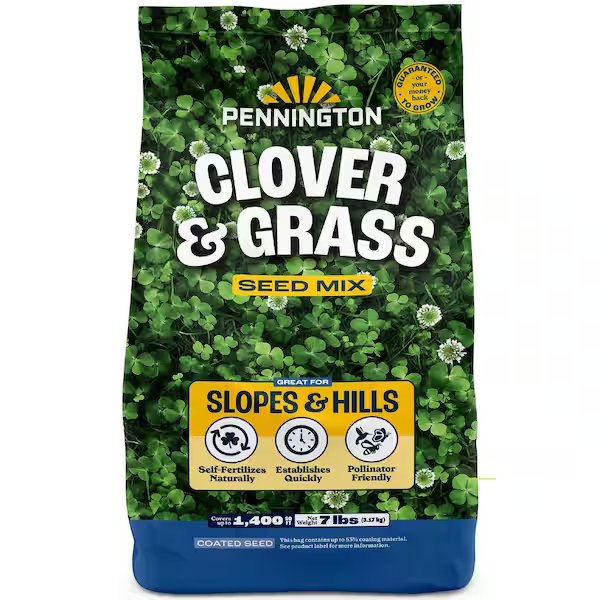
Pennington Clover & Grass Seed Mix
Intrigued by clover but not ready to convert your whole lawn? Try this Pennington Clover & Grass Seed Mix to see if you like it first.
Photo: The Home Depot
How I Planted My Clover Lawn
I didn’t do much research about clover before I started planting beyond researching clover varieties and calculating how much seed I’d need. I was torn between a few types of clover, so I purchased a big bag of Dutch white clover, as well as smaller quantities of crimson clover and red clover. The shipment arrived in late fall and, impatient as ever, I planted it right away.
While I loved the look of pure clover lawns, I didn’t want to go through the hassle of removing my existing turfgrass and decided to simply overseed my grass with clover. Walking in a north to south then east to west direction, I hand sprinkled clover seeds over my grass and added additional seeds over patches of soil that were particularly bare. After sowing the seeds, I walked back and forth over the area to ensure the seeds had good contact with the soil; then I fenced the space off to reduce foot traffic and watered well.
It was only then that I stopped to do a little more research and realized that I’d planted the seeds in late autumn when they were meant to be planted in spring. Big whoops! The question remained, would the seeds sprout and were my efforts worth it?
The Results
Although I planted clover at a less-than-ideal time, I noticed clover sprouts within a few days of planting. The weather soon turned chilly and I wasn’t sure if the late planting would survive the winter. But when spring arrived, my clover regrew just fine.
That was a few years ago now and I’m still absolutely in love with my clover lawn and have noticed that it has some major advantages over my old turfgrass.
“I only mow my lawn once in midsummer after the flowers fade and drop seed, and then again a few weeks before fall frosts.”
Lauren Landers
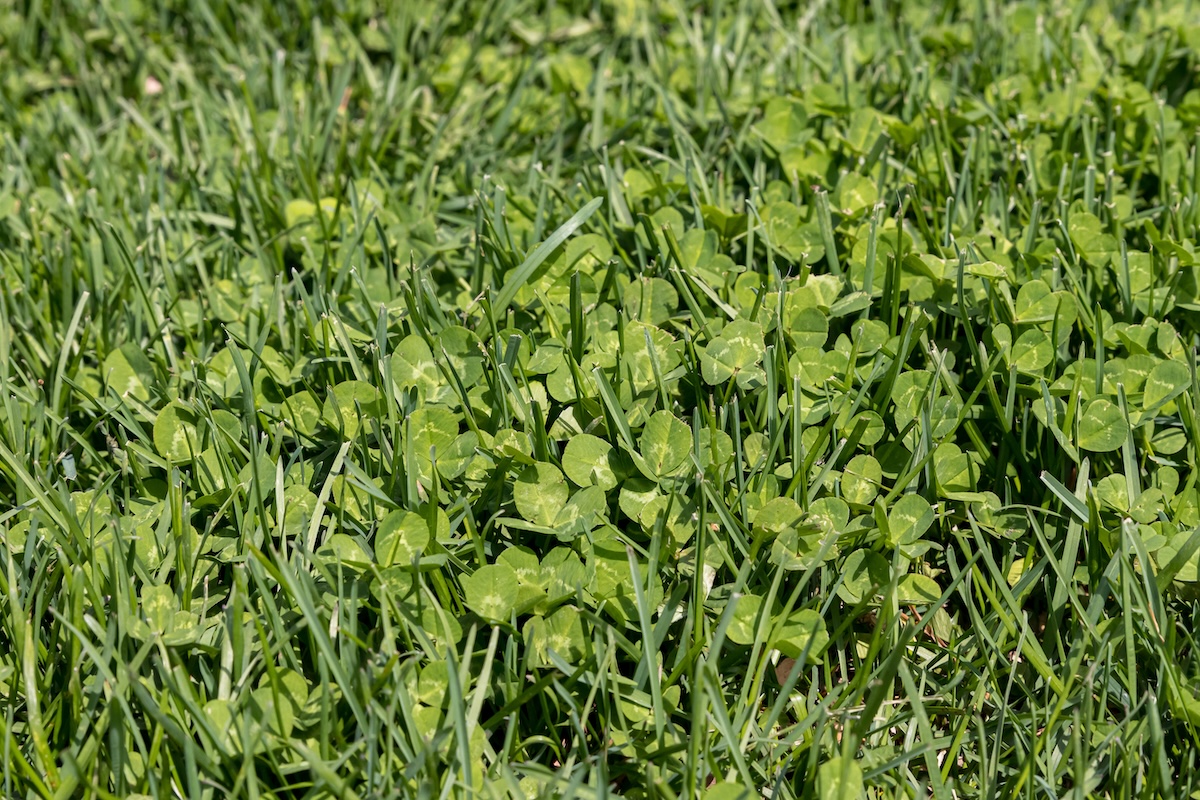
Aesthetics
I love clover flowers and find that a lawn filled with them is more appealing to my personal sensibilities. But clover leaves also stay lush longer through summer, which keeps my lawn looking green even after my grass has turned yellow. I was worried that my neighbors might not like the “wilder” look of my lawn as well, but it’s been a hit. I think, though, that it helps that I installed a pollinator garden sign in my yard to explain the clover.
Pests
I knew clover lawns attract fewer pests such as grubs than grass does, but I wasn’t expecting that my clover lawn would actually distract pests from my vegetable and flower beds. Since I’ve planted clover in my lawn, deer and rabbits have largely left my other plants alone—maybe they’re snacking on the clover instead, as it’s known to be a tasty snack for these animals, but I didn’t notice anything significant.
Watering
Grass is thirsty, but clover is comparatively drought tolerant and doesn’t need as much water. I did water my clover while it was getting established, but I don’t water it now and definitely notice the difference in my water bill.
Mowing
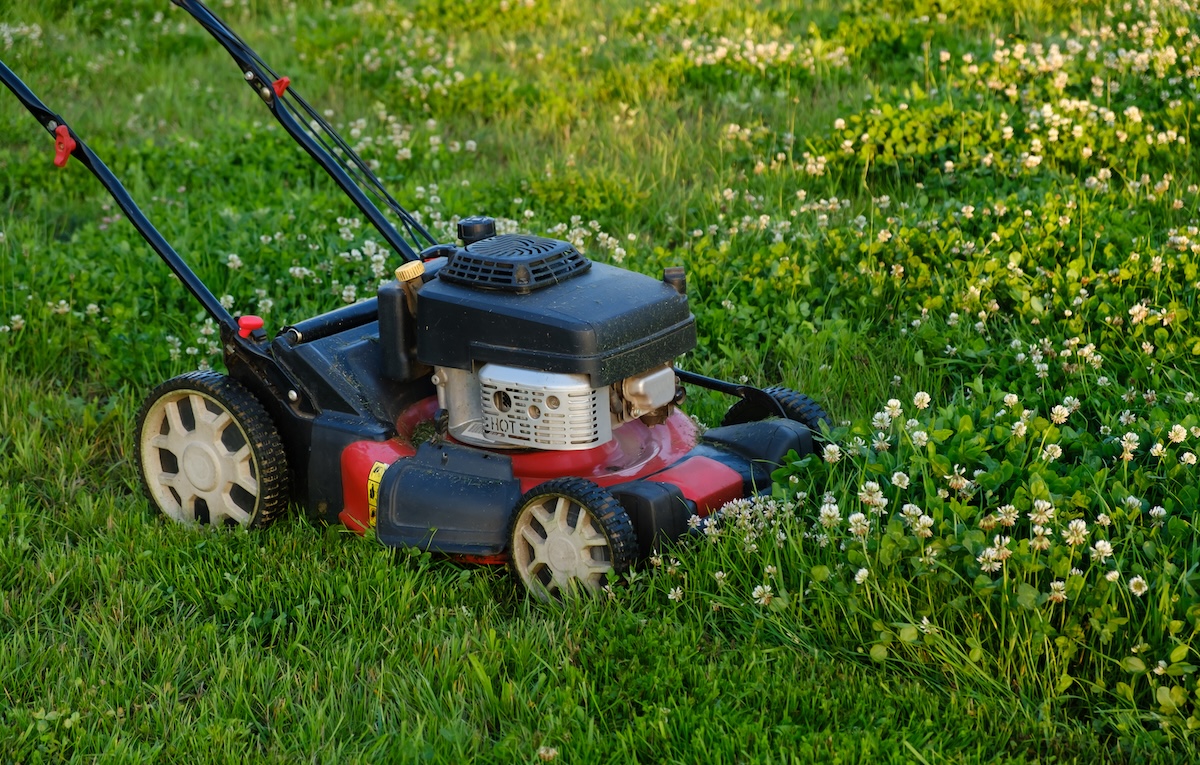
One major advantage of keeping clover is that it stays low to the ground and doesn’t require as much mowing as turfgrass. I only mow my lawn once in midsummer after the flowers fade and drop seed, and then again a few weeks before fall frosts.
Durability
Clover is not as resistant to foot traffic as turfgrass, but it holds up better to pet urine. Foot traffic may have been an issue if I’d planted a pure clover lawn but, since my clover is mixed with grass, it’s actually more resistant to issues than my only-grass lawn used to be.
Pollinators
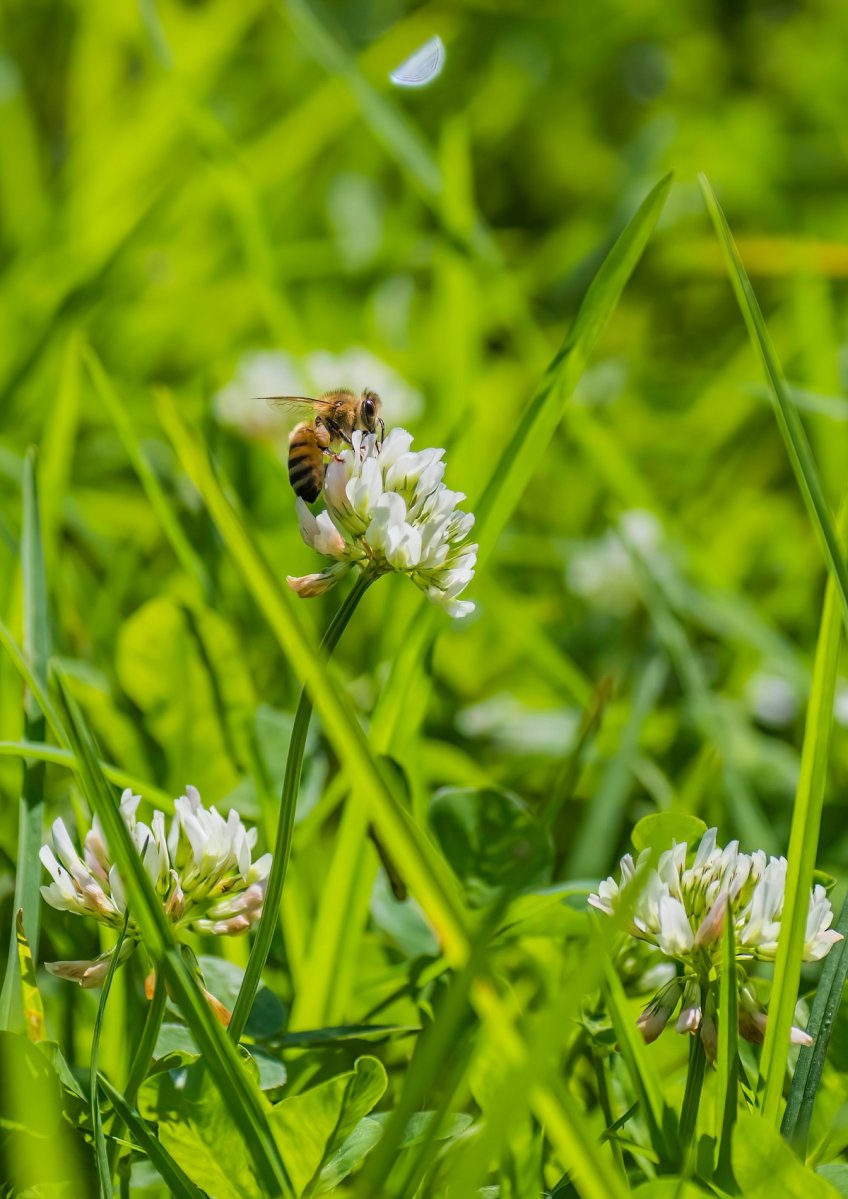
Since planting clover, I definitely see more pollinators in my garden and, as someone who loves pollinators, this is a reward on its own. I also notice that my harvests of cucumbers, melons, tomatoes, and peppers have improved thanks to all the pollinator visits!
General Upkeep
Despite the bumpy start, I’ve found my clover lawn to be easy to maintain. It requires less water and fertilizer and it doesn’t need herbicides, weeding, or pesticides, either. Clover takes a while to get established though, so I’ve taken to sowing smaller quantities of clover seed over my lawn every 2 to 3 years to fill in empty space and help the clover spread faster.
What I’d Do Differently
Despite planting clover at the wrong time, my lawn came up well enough. However, if I were to plant clover again, I’d sow the seeds in spring. I think this would have improved germination rates even more and reduced the amount of water I needed to provide my plants while they were establishing.
I also noticed that there was a major difference between the types of clovers I planted, and for my purposes, I’d only plant white clover again. Red clover and crimson clover are lovely plants, but they both grow tall and are best for meadowscaping. I would also love to try my hand at growing microclover, which has all the advantages of white clover, but grows lower to the ground and produces fewer flowers, which could be an advantage for people who are allergic to clover flowers.
The post I Planted Clover Over Grass—Here’s What I Think of My Lawn Now appeared first on Bob Vila.