
We may earn revenue from the products available on this page and participate in affiliate programs. Learn More ›
Not only are bare spots in your lawn unsightly, but these dead- or no-grass patches can also be a sign of an underlying problem that, if left untreated, could cause big headaches. Discover the possible causes and learn how to fix large bare spots in your lawn, permanently.
What Causes Bare Spots in Your Lawn?
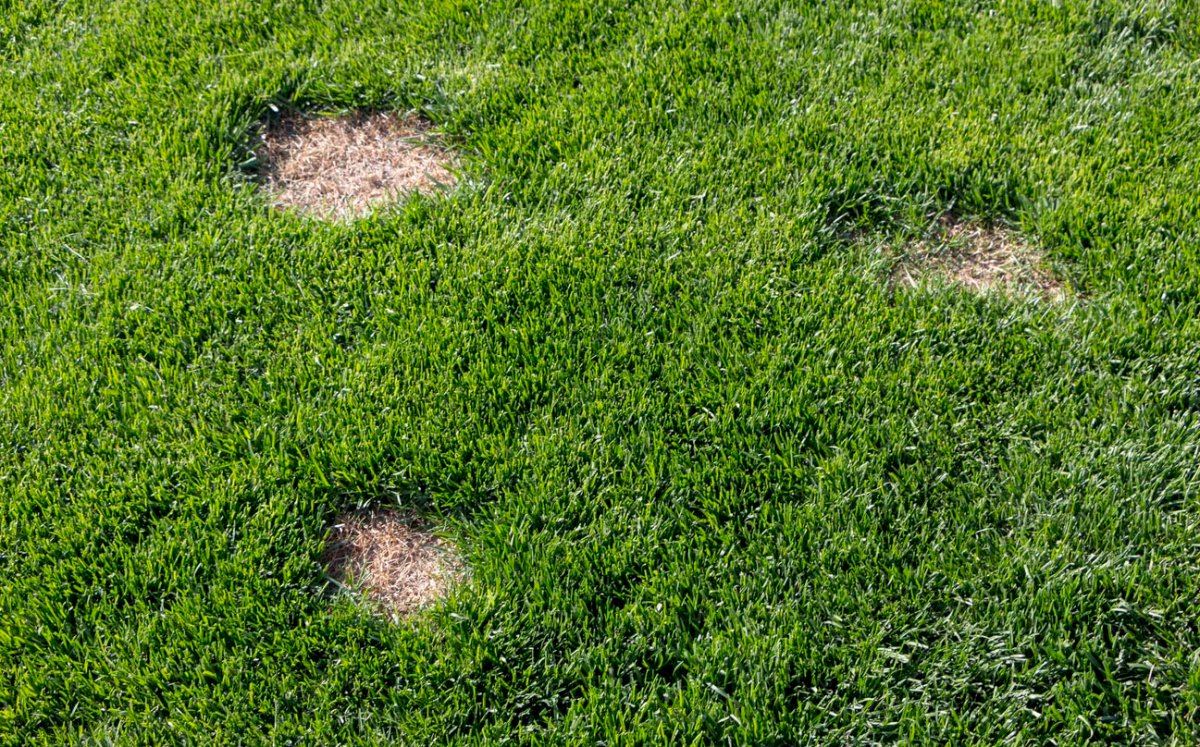
There are many reasons why bare spots might be plaguing your lawn.
Poor soil conditions
Grass gets its nutrients from the soil, so if that soil isn’t providing the right minerals and nutrients at the correct levels, grass can struggle to grow. Consider testing the soil to ascertain its nutrient content and pH level.
Debris buried in the grass
Patches of thinning grass may be caused by debris (organic or not) buried beneath the surface. This debris could be inhibiting the growth of the grass by making it difficult for grass seeds to take root. Additionally, debris can cause soil subsidence, which is the gradual settling or sudden sinking of an area due to the shifting of materials beneath the surface. In other words, as tree roots, stumps, and other items buried under the grass decompose, the earth shifts, and this can impact the grass’s ability to thrive.
Improper mowing
Mowing with dull blades results in jagged and uneven cuts. This makes the grass more susceptible to disease and withering, and can lead to bare spots in the lawn. To find out if this is the problem, look at the grass after you’ve mowed. If the grass blades have a clean cut, your mower blades are sharp; if the cuts look jagged or torn, it’s time for a blade tune-up.
Cutting grass too short is another mowing mistake that can lead to bare spots. When grass is cut too short, it’s harder for the plant to photosynthesize, which can result in stunted growth, thinning grass, and patchiness.
Failure to dethatch
Thatch is organic matter, such as leaf mulch and dead grass, that, if left unchecked, can stunt the growth of grass. Luckily, the process of dethatching is straightforward, though potentially labor-intensive. A thatching rake or an electric dethatcher can speed up the chore.
Fungal disease
Lawn fungus can turn a once-green lawn into a patchy mess. While fungi spores are a natural part of any soil makeup, a lawn that has been overwatered, underwatered, or neglected is susceptible to lawn fungus.
Insect infestations
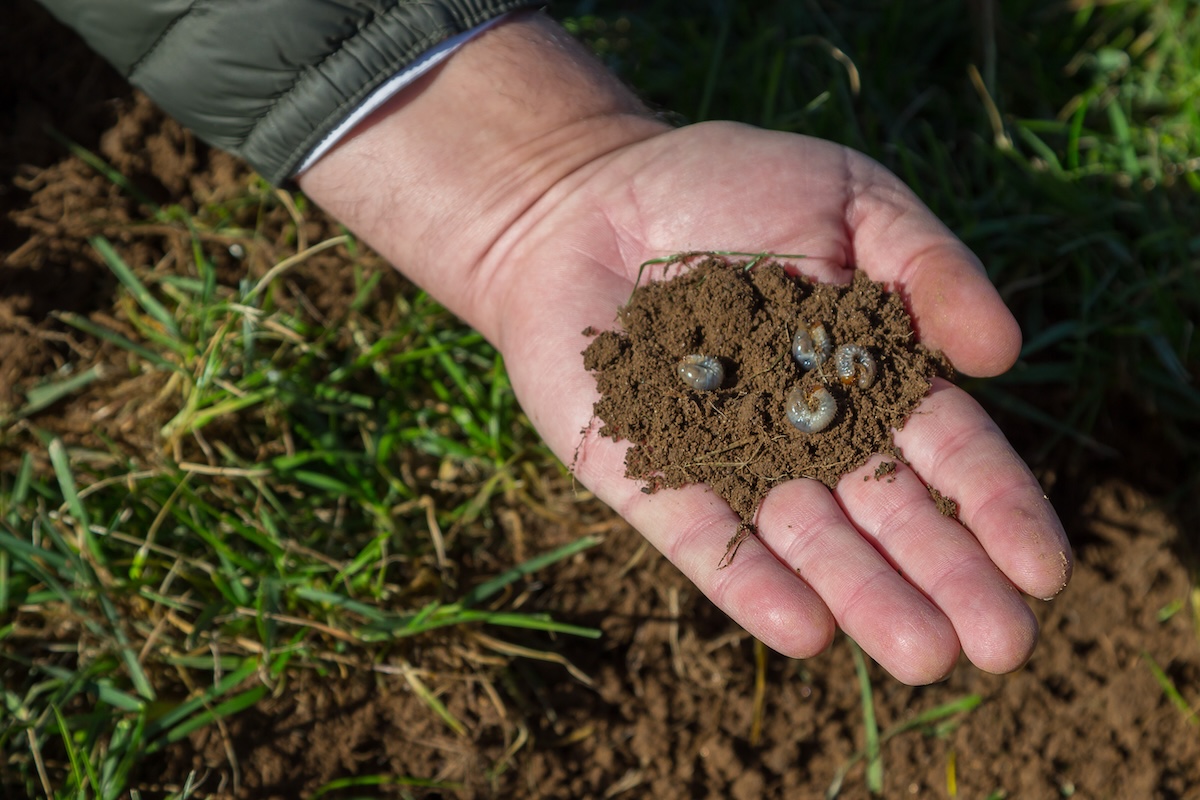
While many insects are harmless or beneficial, a few common pests can cause major damage to grass. White grubs, for example, devour the roots of grass, especially fescue and bluegrass; the hairy chinch bug sucks the nutrients from grass blades; and sod webworms creep from the soil at night and eat away at the grass. All of these insect infestations can result in unsightly grass patches of brown or yellow.
Drought and erosion
Periods of drought or insufficient sprinkler coverage can cause grass to dry out and even die in patches. Soil erosion can lead to uneven surface areas, causing water to either pool or run away.
Other causes
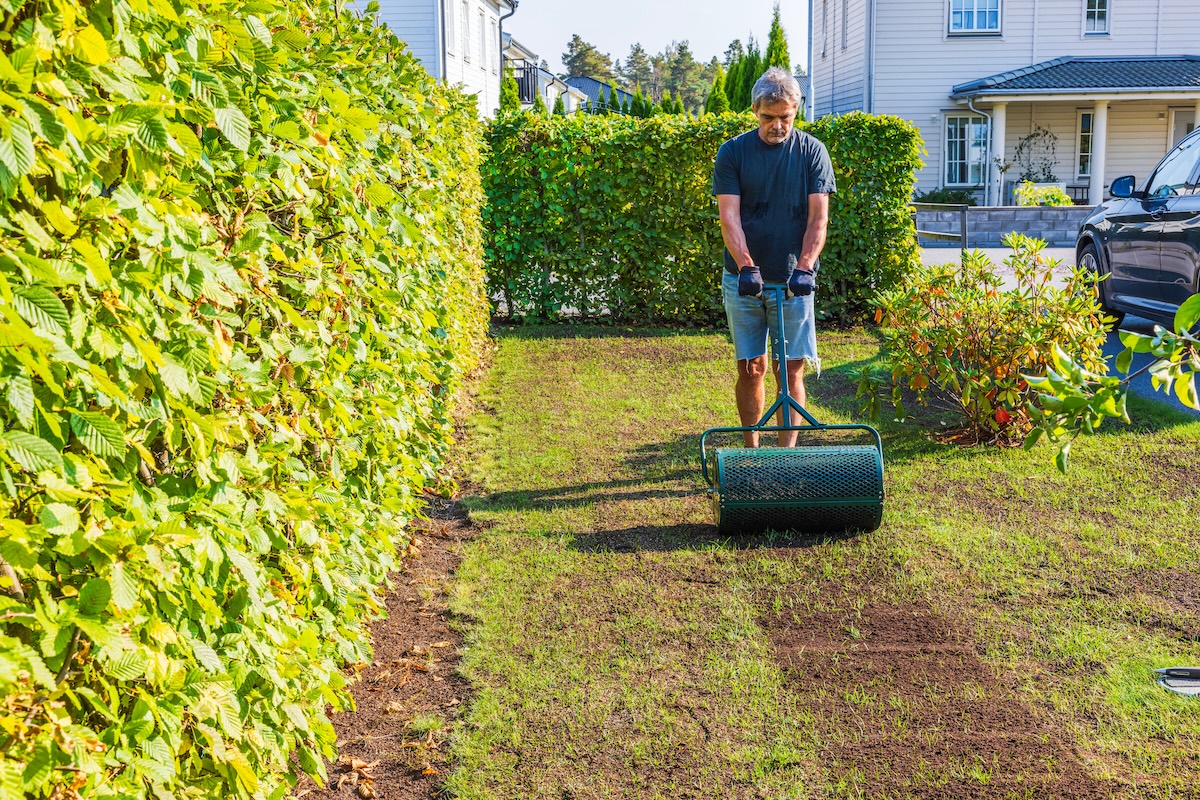
Bare spots on a lawn can be caused by any of the above issues, but those aren’t the only culprits. Here are a few more to look out for:
- Excessive foot traffic: If your lawn sees a lot of foot traffic, check to see if those patterns coincide with the areas where patches are appearing most frequently, or where they are the hardest to get rid of.
- Chemicals: Certain chemicals, including nitrogen-rich fertilizers, can cause dry, burned patches on grass.
- Lawn weeds: Common lawn weeds like creeping Charlie, dandelions, and crabgrass, if left unchecked, can take over a lawn and compete with grass for nutrients in the soil.
- Grass seed type: You may have planted the wrong kind of grass seed for the growing conditions. Before you plant new grass, make sure it’s the right type. There are many kinds of grass, including cool-season and warm-season grasses, as well as grass blends specially formulated for partial shade or full sun.
- Wild animals: When animals such as skunks and raccoons dig for insects and grubs, they can leave bare patches in a lawn. Rabbits, moles, and voles can create problems when tunneling underground.
- Animal waste: Animal waste, such as wild animal and pet urine, can be the cause of bare spots in the lawn. Feces from wild geese and ducks can also cause patchy lawns.
- Chemicals: In areas where winter ice is controlled using salt or de-icing chemicals, the runoff can create patches in the grass, especially along the edges of sidewalks or near roads.
How to Identify the Underlying Issue
Keeping the above potential causes in mind, spend some time thoroughly evaluating your lawn. Examine the bare patches in the lawn and try to find signs of what caused them. For example, excessive growth of mushrooms or slime may indicate a lawn fungus. Distinctive spots of yellow in an otherwise lush green lawn may indicate pet-urine damage. Consider your routine maintenance practices, check for infestations, and ensure sprinklers are working properly. Perform a soil test to make sure that the bare patches in the grass weren’t caused by improper pH and nutrient levels. If the test reveals significant deficiencies, take additional steps to correct the pH and nutrient levels in the soil.
How to Fix Bare Spots in Your Lawn
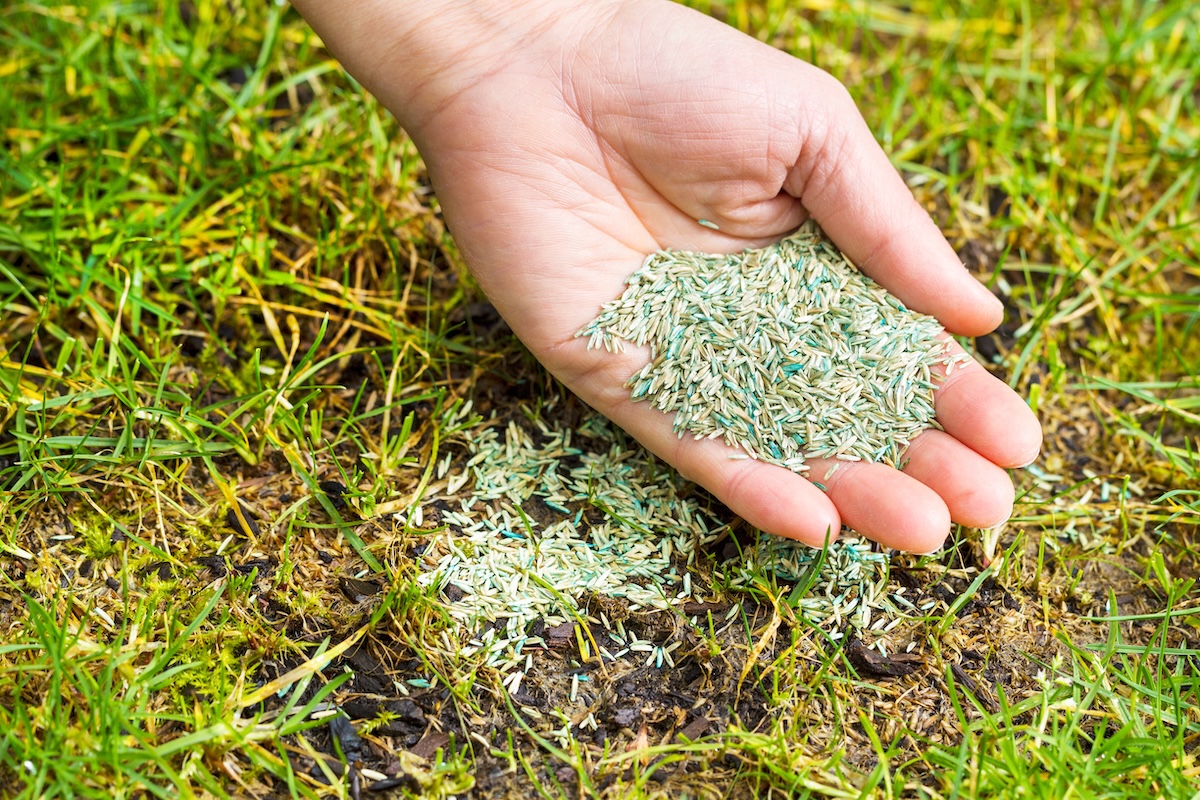
Once you’ve determined the probable cause(s) of the bare spots in your lawn, address them before reseeding. After you’ve retrained Fido or fixed all the sprinkler heads, it’s time to proceed to repairing and replenishing bare spots, usually by reseeding.
Before You Begin
Reseeding bare spots in a lawn doesn’t take a lot of fancy equipment or expensive supplies, but certain tools are best for the most efficient and effective grass patch repair. Also, the task is not extremely time-intensive; an afternoon should do the trick. Be aware, though, that it will take about 6 weeks for the grass to finally grow in. Repairing bare spots in a lawn is a DIY task accessible to the average gardener with the right tools and guidance.
Time required: 1 to 2 hours
Difficulty: Beginner
Estimated cost: $45 to $450
Tools & Materials
Bobvila.com may earn a commission from purchases made through these links.
- Hand tool for digging (like a small spade or a hori hori knife)
- Dethatcher or dethatching rake
- Lawn rake
- Garden aerator
- Hose
- Sprinkler
- Nutrient-dense planting mix
- Grass seed
- Seed spreader (optional)
- All-purpose lawn fertilizer
Step 1: Rake the area and remove any debris.
If there is dead, brown, or yellowed grass, dig it out with a hand tool such as a hori hori knife.
Remove any debris, such as large branches or stones, by hand. Then, dethatch the entire lawn with either a dethatching machine or a heavy-duty thatching rake. Once you’ve removed larger debris, do a thorough raking of the entire lawn to further remove leaves, small sticks, and the detritus from the dethatching process.
Step 2: Prepare the soil.
Aerate the soil, especially in the patches you are repairing, to make sure the entire lawn has adequate drainage. Then, till the soil in the area you are patching, and check again for rocks or debris. The soil should be worked at least an inch down to ensure seeds will be able to take root. Consult your soil ttest and add any soil amendments you might need.
Step 3: Scatter grass seed or lay sod over the bare spot.
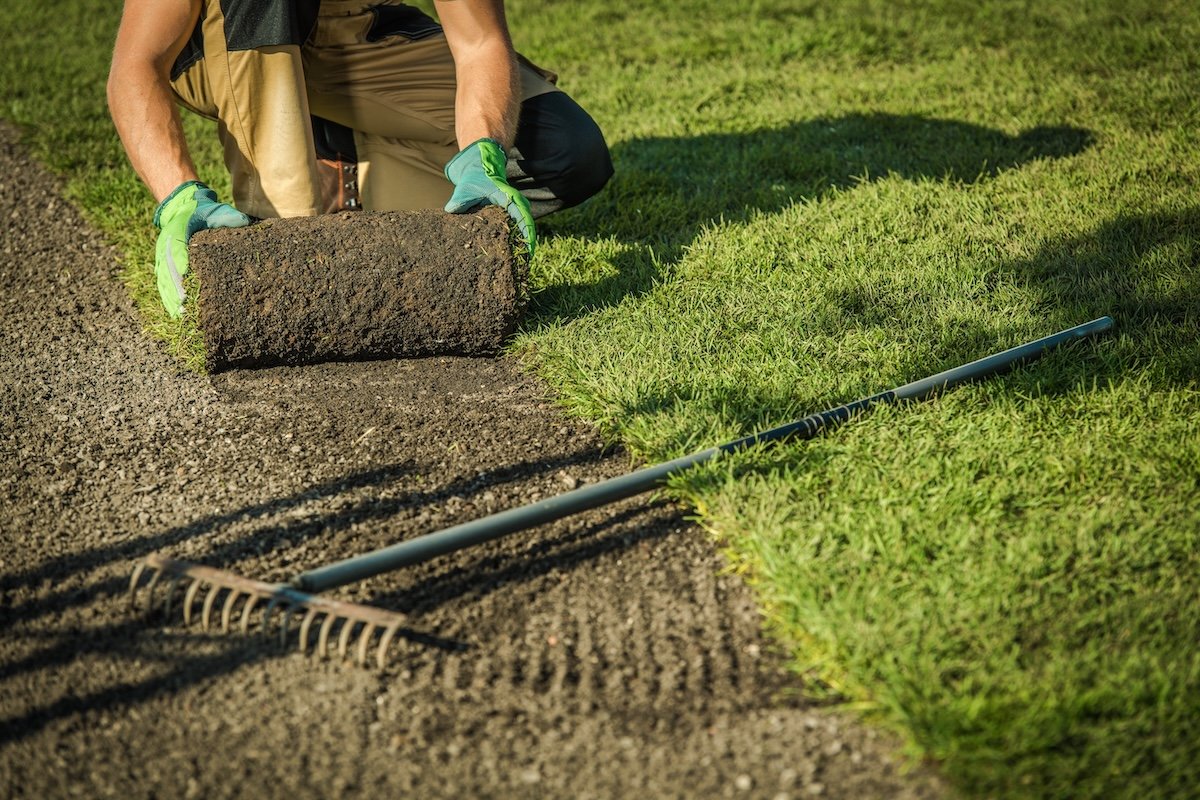
Once the soil is prepped, it’s time to scatter the grass seeds. Using a seed spreader will give the most even results, but for smaller patches, hand seeding is perfectly acceptable. You can also patch with sod, which provides faster coverage, but it can be expensive, and it should be noted that grass planted from seed grows deeper roots.
Step 4: Top-dress and water the area.
Once the seeds have been spread, it’s a good idea to top-dress the repaired patches with a rich mix of equal parts soil, compost, and sand. Not only will this provide additional nutrients for the seeds as they grow, but it will also help keep the seeds in place when gusts of wind come through.
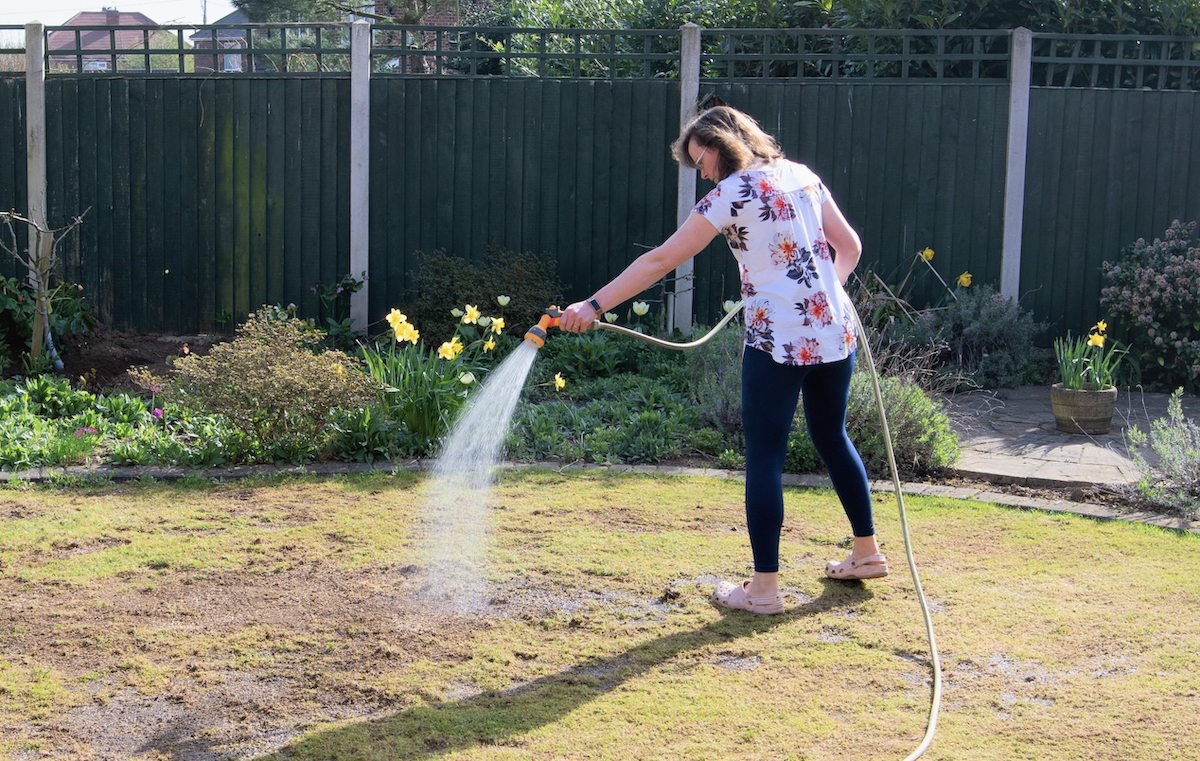
After top-dressing seeded areas, water well and keep the patches moist throughout the growing process. After about 2 weeks, the grass will begin to establish itself, which means you can cut back on watering to every other day, but use the weather as your guide: Hotter, drier stretches of time may require you to water more frequently.
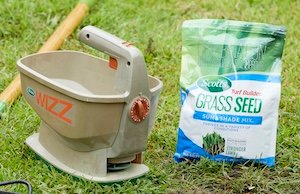
Photo: Tom Fenenga for BobVila.com
Scotts Turf Builder Seed Sun & Shade
Scotts Turf Builder grass seed is a versatile pick because you can use it on all parts of your lawn; requires frequent watering. Read the review.
Photo: Tom Fenenga for BobVila.com
Step 5: Limit traffic until new grass is established.
To get grass to grow in bare spots, it’s crucial to avoid foot traffic, human and pet, on the patched areas. This may mean limiting access to the entire lawn. If you are able, mark the spots on the grass that have been repaired so it’s easy to know where to provide water and limit traffic.
Step 6: Allow grass seedlings to solidly take root before mowing and applying products.
This step is a test of patience, as some types of grass seed can take up to 8 weeks to germinate. Wait until the new seedlings are at least one-third higher than the height of the existing grass before you mow.
When planting an entirely new lawn from seed or sod, starter fertilizer is commonly used. When patching grass, however, it’s best to wait until the new grass has grown in completely, and then apply an all-purpose lawn fertilizer to the entire lawn. Using a fertilizer for new grass can be tempting, but starter fertilizers contain higher amounts of nitrogen to stimulate growth, and this formula burns existing grass.
Step 7: Maintain the lawn.
The secret to a truly lush and green lawn doesn’t end with patching the grass. The best things you can do for your lawn include establishing a lawn maintenance schedule that involves regular mowing, proper watering techniques, and using the right kind of fertilizer at the right time of the year. It’s also important to dethatch and rake as well as mulch, and regularly test your soil to make sure the lawn stays healthy. While this may seem like a lot of work, the reward is obvious: a beautiful lawn to call your own.
From troubleshooting the cause of those pesky bare patches in a lawn to using the right method for grass repair, following the steps above will put you well on your way to a healthy lawn. Repairing bare patches in your lawn won’t make much of a dent in your wallet; the biggest investment will be the sweat equity you put in. Just remember to have patience as you watch the grass grow!
FAQ
Fill holes in the yard by blending a planting mix with sand or compost. Be sure to do an even blend of planting soil and other materials, such as sand and compost, to create a rich, fertile environment for grass seeds to grow.
Seed cool-season grasses, which are typically grown in the northern part of the U.S. and include varieties such as fescue and Kentucky bluegrass, in early fall. Gardeners who grow warm-season grasses, such as St. Augustine and Bermuda, should seed bare spots in early spring.
Eliminate all factors that can cause bare spots, reseed as described above, and then care for your grass appropriately. Water regularly, ideally in the early morning before the sun’s rays reach the grass. Stay off the reseeded areas, and keep pets away. Fertilize as needed, and mow appropriately.
Inspect your lawn regularly for early signs of trouble. Take immediate steps to mitigate any little thing that could easily turn into a big thing. If you live in an area where grubs or fungal infections are common, take preventive measures to eradicate these problems before they take hold. Perform routine maintenance on your mower to keep its blades sharp, and dethatch your lawn regularly.
Whether or not your patchy lawn will repair itself depends on the type of grass. Grass that spreads with runners—either rhizomes, which are underground runners, or stolons, which are above-ground runners—grows laterally and is therefore more likely to spread out and fill in bare patches on a lawn. Clumping grasses, such as perennial ryegrass, will not spread to cover bare spots and will require reseeding for lawn patch repair.
The post How to Fix Bare Spots in Your Lawn appeared first on Bob Vila.