
We may earn revenue from the products available on this page and participate in affiliate programs. Learn More ›
If you are lucky enough to have fruit trees producing fruit like cherries, apples, or peaches in your yard, you probably are less lucky preventing wildlife from enjoying your juicy fresh fruit. “If you have any fruit trees, then you know that birds often end up being the number one problem, constantly picking at and eating your fruit before you ever get the chance,” says David Joles, chief operating officer at PURCOR Pest Solutions.
Indeed, birds can eat as much as 80 percent of their body weight on a daily basis, so when they stumble upon your fruit trees, they enjoy stealing these natural sweet treats that you’d rather have on your kitchen counter. Fortunately, there are several ways to keep birds away, and netting is one of the best options for protecting fruit trees. Learn more about how to effectively use bird netting on your property.
Bird Netting
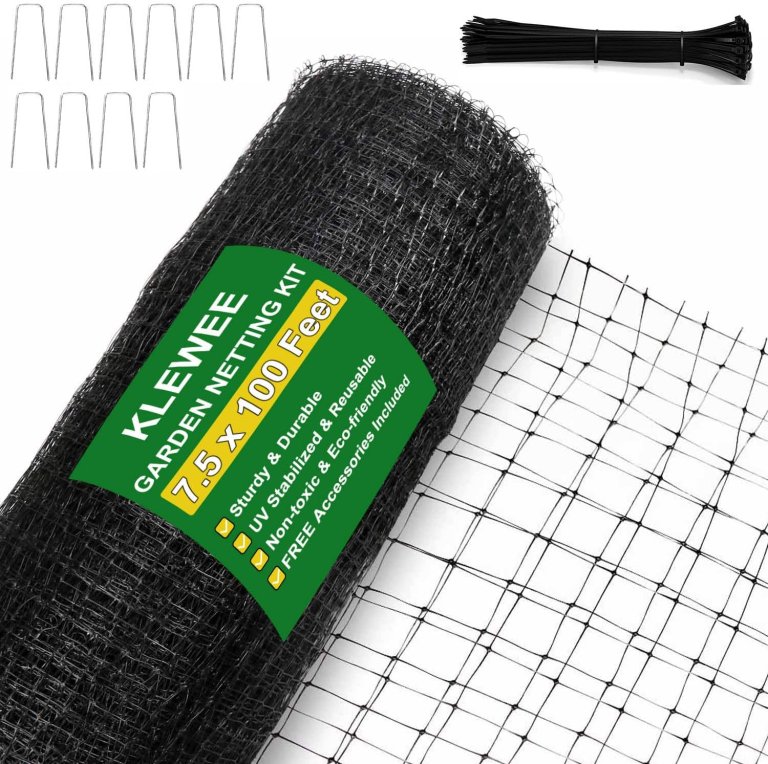
Klewee Bird Netting, 7.5 x 100-feet Heavy Garden Netting
Photo: Amazon.com
Bird netting is a favorite deterrent.
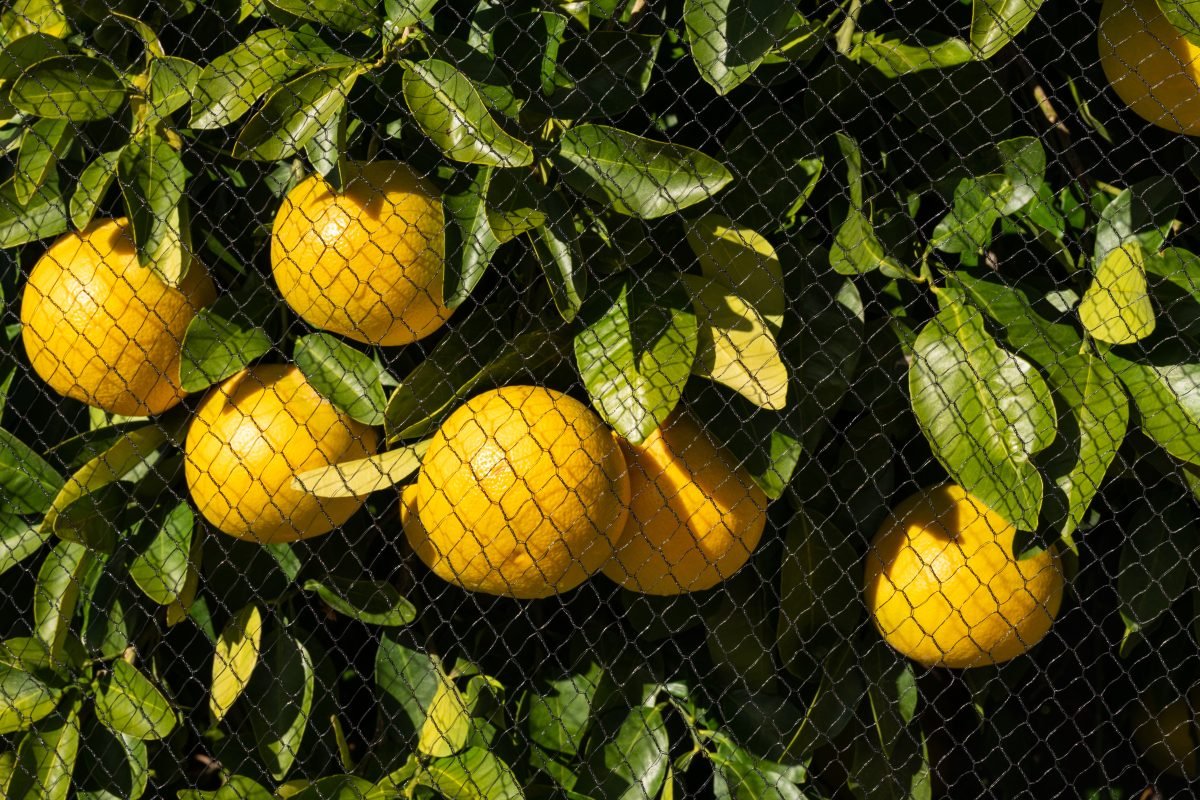
Bird netting, consisting of a light thin mesh material made of nylon, polyethylene, plastic, or stainless steel designed to wrap around fruit trees, is the best way to keep birds from eating fruit off your trees, says Tammy Sons, founder/CEO at Tennessee Wholesale Nursery in Nashville, Tennessee. “The reason it works so well is because it physically blocks birds from getting to your trees while not having any kind of negative impact on the tree’s growth,” adds Steve Corcoran, CEO of Lawn Love. The netting does an excellent job preventing birds’ beaks and teeth from reaching fruit, while still allowing small insects like bees to pollinate the fruit.
Bird netting is available in various styles and sizes. While 5/8-inch netting is often recommended, it’s helpful to determine exactly which bird species are visiting your yard to ensure you purchase the correct size netting.
Attach netting properly for maximum effectiveness.
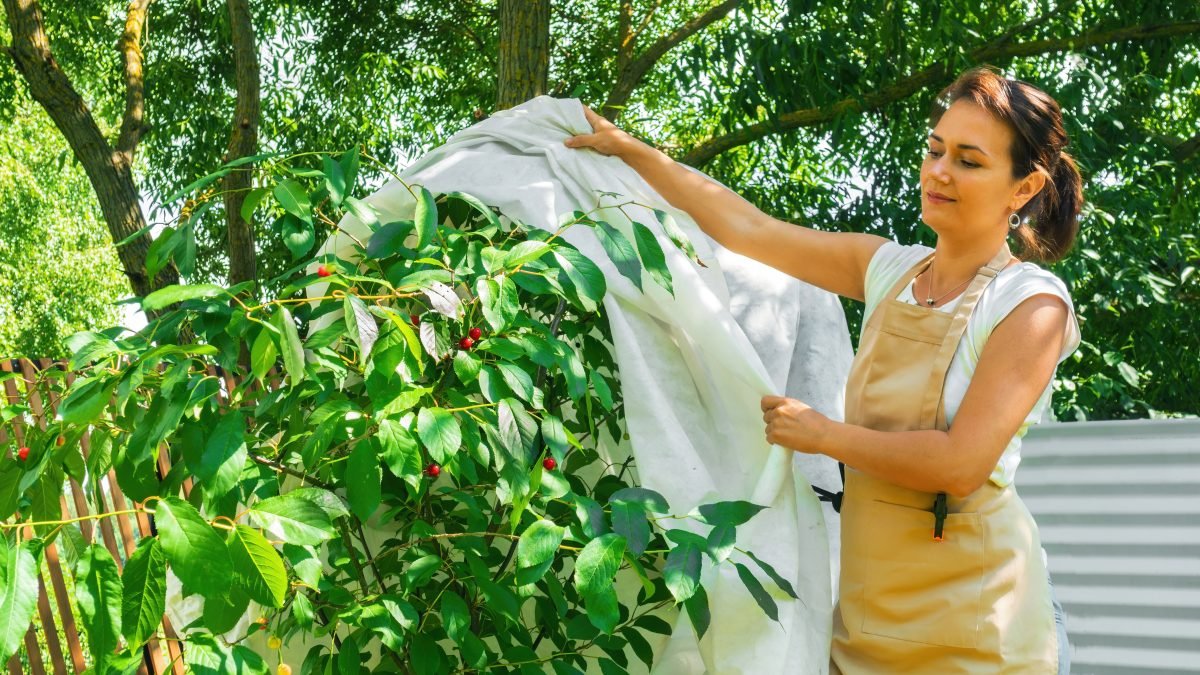
One of the most common mistakes that people make, says Sons, is simply throwing the bird netting over the top of a tree. This is a problem because birds might still be able to sneak through and attack the fruit. Instead, you’ll want to build a frame. Sons prefers to hang netting on lightweight PVC hoops or bamboo poles well off the branches and fruit․”A good UV-stable net with holes big enough for any wildlife passing underneath to get through, yet small enough to keep birds out is recommended,” says Sons. You can also purchase a kit to simplify the netting installation process.
Remember to tighten and close the netting.
It’s critical to hang netting tightly to prevent harming the birds and to close it at the bottom to keep birds or other animals from entering from underneath and reaching the fruit. “To close the netting at the bottom, you can line the netting with rocks all the way around, weighing it down and making birds incapable of getting under it,” advises Joles. He prefers to fasten the net down with landscape staples‚ boards‚ bricks, or sandbags to prevent the birds from walking underneath the edges.“Or, some people will take the netting and gather it all around the base of the trunk, securing it with some kind of rope,” says Joles.
Carefully remove netting.
At the end of the season, it’s time to remove the netting. But this process can become cumbersome quickly if the netting gets tangled or torn from catching on twigs, thorns, or branches. “At the end of the harvest‚ I roll up the net, folding it inwards while lifting it up instead of dragging it across the branches to prevent it from tangling,” says Sons. Avoid pulling on it. Choosing high-quality netting from the start will reduce the likelihood that it gets tangled or ruined during the season.
Store bird netting so it can be used year after year.
Fortunately, bird netting can be reused during multiple growing seasons to keep your fruit and berries safe. Gently remove the netting from your fruit trees. Then, make sure it is dry before storing it, suggests Sons. “I roll or fold it up around something like a piece of PVC pipe or a heavy cardboard tube so it is much easier for reuse next year,” she notes. It’s hard to predict exactly how many years you will get out of the bird netting. It will depend on the weather, any damage, and how well it is maintained.
The post How to Keep Birds Away From Fruit Trees Without Harming Them appeared first on Bob Vila.