
We may earn revenue from the products available on this page and participate in affiliate programs. Learn More ›
Gutters are easy to ignore until something goes wrong. Because they sit above eye level, you may not notice a problem until rain starts spilling over the sides, a downspout stops draining, or water begins pooling around the house.
How often should gutters be cleaned? For most homes, cleaning the gutters once or twice a year is enough to keep water flowing properly. If you’re wondering when to clean gutters, spring and fall are usually the best times to tackle the job. However, the right schedule depends on how quickly leaves, twigs, pine needles, and other debris collect around your home.
Key Takeaways
- Most gutters should be cleaned once or twice a year.
- Spring and fall are typically the best times to clean gutters.
- Homes with overhanging trees, pine needles, or frequent storms may need more frequent cleaning.
- Overflowing water, clogged downspouts, sagging gutters, or visible plant growth are signs it’s time to clean.
- Regular gutter cleaning can help prevent water damage to the roof, fascia, landscaping, and foundation.
- If reaching the gutters requires working high off the ground or you aren’t comfortable using a ladder, hiring a professional may be the safer option.
How to Tell if Gutters Need Cleaning
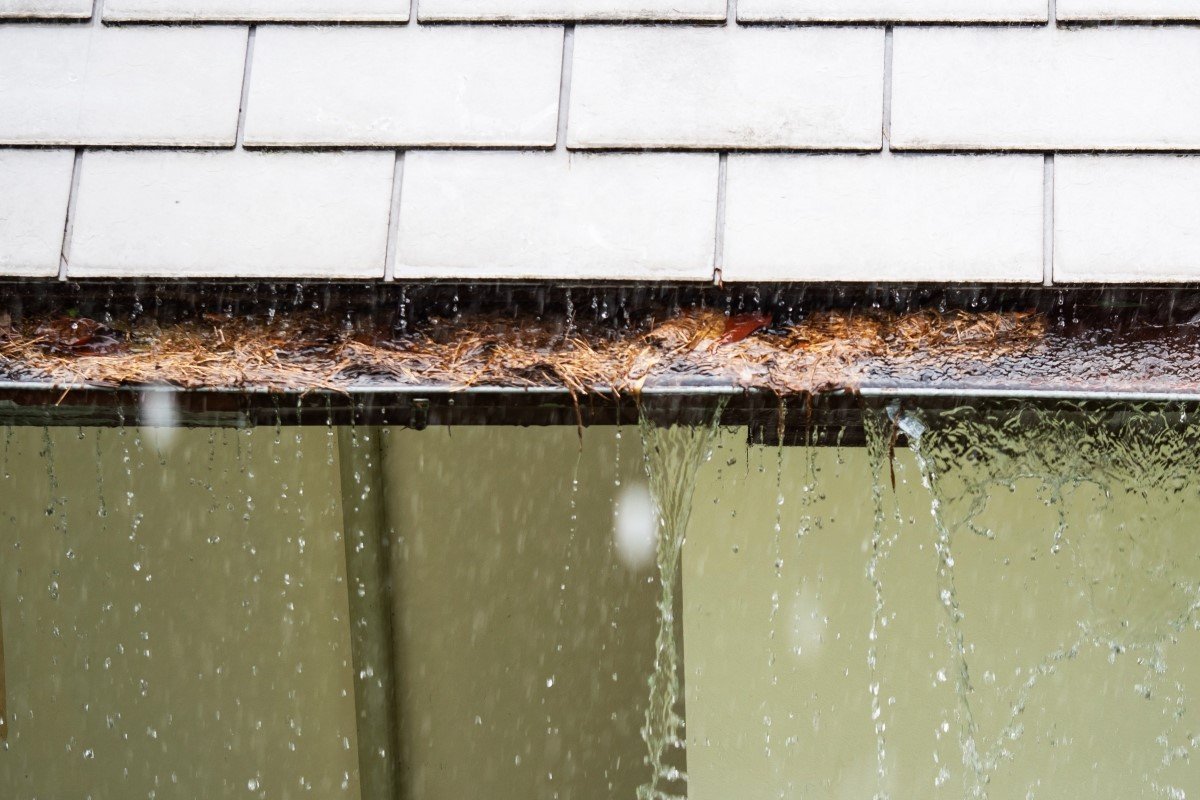
A cleaning schedule is helpful, but the condition of the gutters is a better guide. If you notice any of the following signs, it’s probably time to clear them out.
Water is overflowing from the gutters.
If water pours over the front or back edge of the gutter during a rainstorm, debris may be blocking the flow. A clogged downspout can cause the same problem.
Water isn’t coming out of the downspouts.
During steady rain, water should drain through the downspouts and away from the house. If little or no water is coming out, there may be a clog in the gutter or downspout.
Leaves and debris are visible from the ground.
If leaves, sticks, or other debris is sticking out above the gutter line, the gutter probably needs cleaning.
Plants growing from the gutter are an even clearer sign that maintenance is overdue. Seeds can take root in decomposing leaves and dirt that have been sitting in the gutter for an extended period.
The gutters are sagging.
Wet leaves and standing water can add a lot of weight to the gutters. Over time, that weight can cause them to sag or pull away from the fascia.
Sagging can also indicate damaged hangers or other structural problems, so take a good look at the gutters after removing debris.
Water is pooling around the house.
Water collecting near the foundation, eroded mulch below the roofline, or streaks on siding may indicate that the gutters aren’t carrying water where they should.
These problems can have other causes, but clogged or overflowing gutters are a good place to start looking.
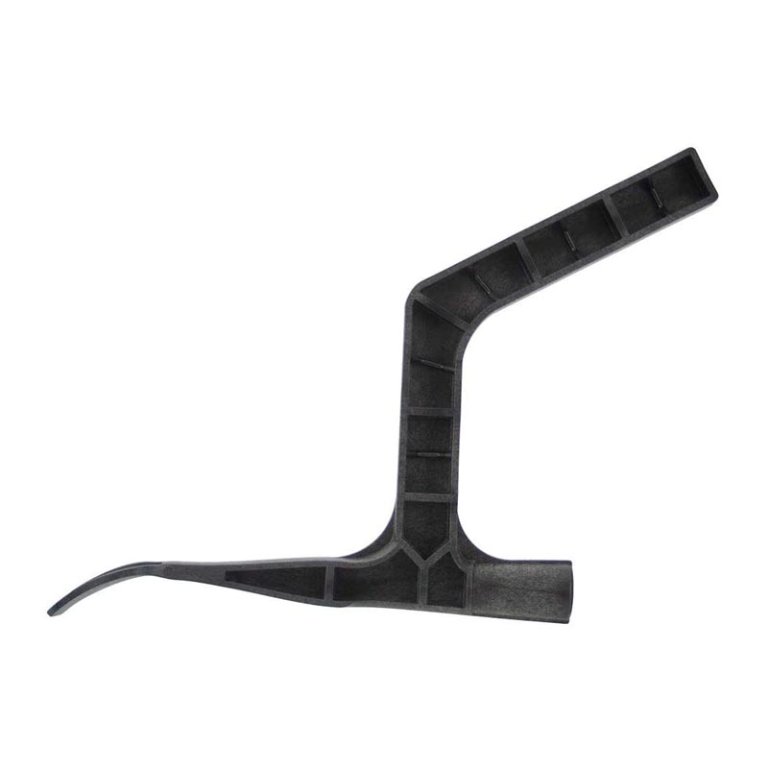
Photo: Amazon
The Gutter Tool
The Gutter Tool is easy to use; it screws onto the end of an extension pole and allows you to drag debris to one spot for removal. Read the review.
Photo: Amazon
What is the best time of year to have your gutters cleaned?
For most homes, spring and fall are the best times to clean gutters.
A spring cleaning removes debris that accumulated during winter and helps prepare the gutter system for spring and summer rain. It also gives you a chance to check for damage caused by winter weather.
Fall is especially important because falling leaves can quickly fill gutters and block downspouts. Ideally, wait until most nearby deciduous trees have dropped their leaves, then clean the gutters before winter weather arrives.
In areas with milder winters, the exact season matters less than timing the cleaning around local weather and tree debris. If your property gets most of its leaf drop at a different time of year, schedule your cleaning accordingly.
Why would you need to clean your gutters more often?
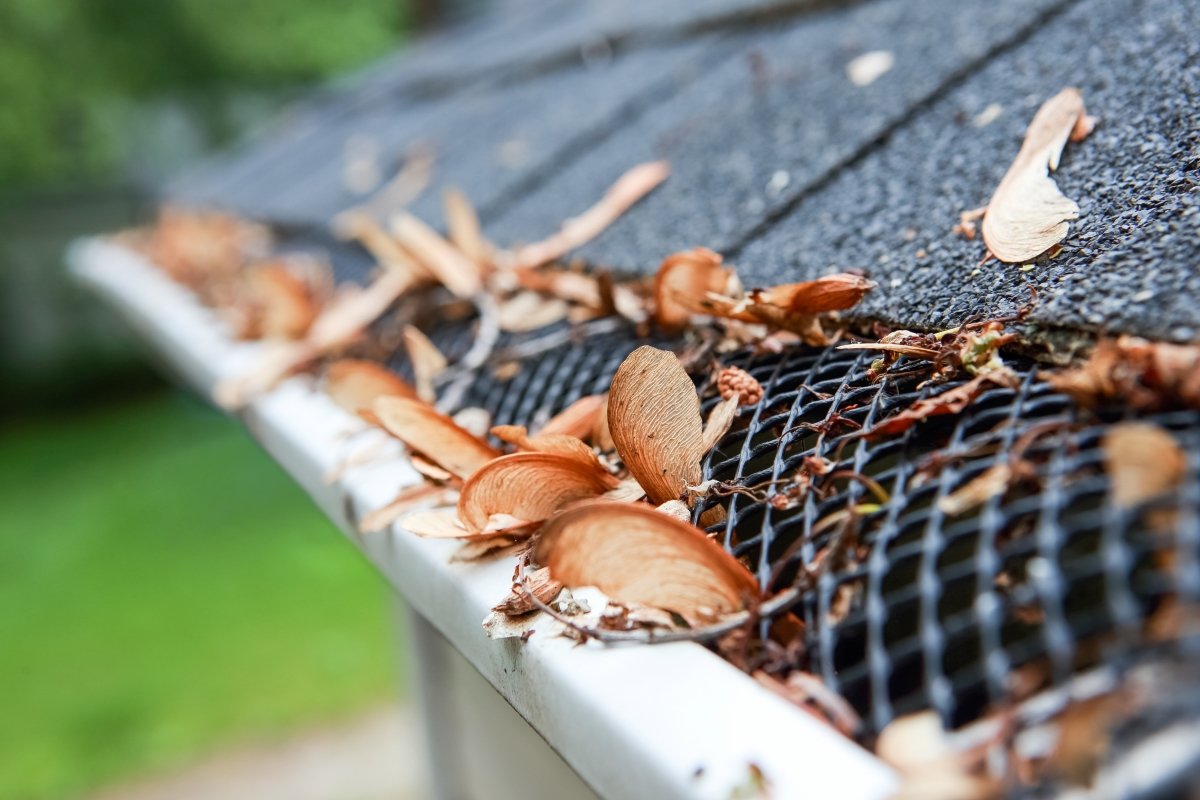
Once or twice a year is a good general guideline, but if any of the following situations apply to your property, your gutters may need more frequent maintenance.
Your home is surrounded by trees.
Mature trees fill gutters with leaves, twigs, seeds, blossoms, and other debris.
Homes with branches hanging directly over the roof may need seasonal cleaning or additional checks between scheduled cleanings.
Pine trees can be especially annoying because needles are narrow enough to work their way into small spaces and collect around downspout openings. Gutter guards may be a good purchase if this is an issue you have to deal with.
You get frequent storms or high winds.
Strong winds can carry leaves, branches, and other debris onto the roof and into the gutters.
You don’t need to clean the gutters after every storm, but it’s worth checking them after particularly severe weather, especially if you notice overflow during the next rainfall.
Your gutters clog between scheduled cleanings.
The simplest way to find the right cleaning schedule is to pay attention to what you find.
If you’re on a twice-a-year schedule and your gutters are packed with debris every time you clean them, add another cleaning. If they consistently remain almost empty, you may be able to go longer between cleanings.
You have gutter guards.
As mentioned above, the best gutter guards can reduce the amount of large debris that enters the gutters, but they don’t eliminate maintenance entirely.
Leaves, pine needles, seeds, and smaller particles can still collect on top of the guards or work their way underneath them. Every now and then, check that water can still enter the gutters and drain freely through the downspouts.
What happens if you don’t clean your gutters?
Clogged gutters can create problems for more than just your gutter system. Their main job is to collect rainwater from the roof and carry it safely away from the house. When leaves or debris block that path, water can overflow or back up in areas that aren’t designed to handle it. Potential problems include:
- Roof and fascia damage: Water sitting along the roof edge can lead to rot and deterioration of fascia boards and other materials.
- Foundation problems: Overflowing water can collect around the foundation instead of being directed away from the house.
- Landscape erosion: Heavy runoff can wash away mulch and soil around the home.
- Sagging gutters: Wet leaves and standing water add weight that can loosen gutters or cause them to pull away from the house.
- Pests: Damp leaves can provide shelter for insects, rodents, and other pests.
- Mold and mildew: Persistent moisture around roofing, siding, crawl spaces, or basements can create favorable conditions for mold and mildew.
- Freezing problems: In cold climates, standing water can freeze inside clogged gutters, adding weight and stress to the system.
Regular maintenance is much easier than dealing with damage after a clog has been ignored for months.
Tips for Gutter Cleaning

If the gutters are easy to reach and you’re comfortable working on a ladder, cleaning the gutters yourself can be a straightforward maintenance task.
- Choose a dry day. Wet leaves are heavier and messier, and rain or wind can make ladder work more dangerous.
- Use a stable ladder. Place it on firm, level ground and avoid stretching sideways to reach farther sections.
- Wear gloves. Gutters can contain sharp twigs, roofing debris, insects, and animal waste.
- Remove large debris first. Scoop out leaves and other material by hand or with a gutter scoop.
- Flush the gutters with water. Once the bulk of the debris is gone, use a garden hose to check that water flows toward the downspouts.
- Check the downspouts. If water backs up instead of draining, the downspout may be clogged.
- Look for damage while you work. Check for loose fasteners, leaking seams, cracks, corrosion, or sections pulling away from the fascia.
- Check gutter guards, too. Remove debris that collects on top and make sure water can still pass through.
If your home is more than one story tall, the roofline is difficult to access, or you’re uncomfortable working from a ladder, it may be safer to hire a professional.
For most homes, cleaning the gutters once or twice a year is enough, but the best schedule is the one that keeps them draining freely. Pay attention to how quickly debris collects, check the gutters after major storms, and clean them sooner if you notice overflow or drainage problems.
The post How Often Should You Clean Your Gutters? appeared first on Bob Vila.