
We may earn revenue from the products available on this page and participate in affiliate programs. Learn More ›
When you’re choosing a shovel, it’s important to think about how you’ll use the shovel so you can select one that is suited to the task. Shovels can be used to dig, scoop, push, toss, spread, and more, but not every shovel is suited to these tasks.
There are three main shovel types, including snow shovels for winter maintenance, landscaping shovels to deal with spring, summer, and fall yard work, and specialty shovels for specific jobs, like post hole shovels. Use this guide to learn more about the following 12 types of shovels and their purposes, so you can choose the best implement for the project.
How to Choose the Right Shovel
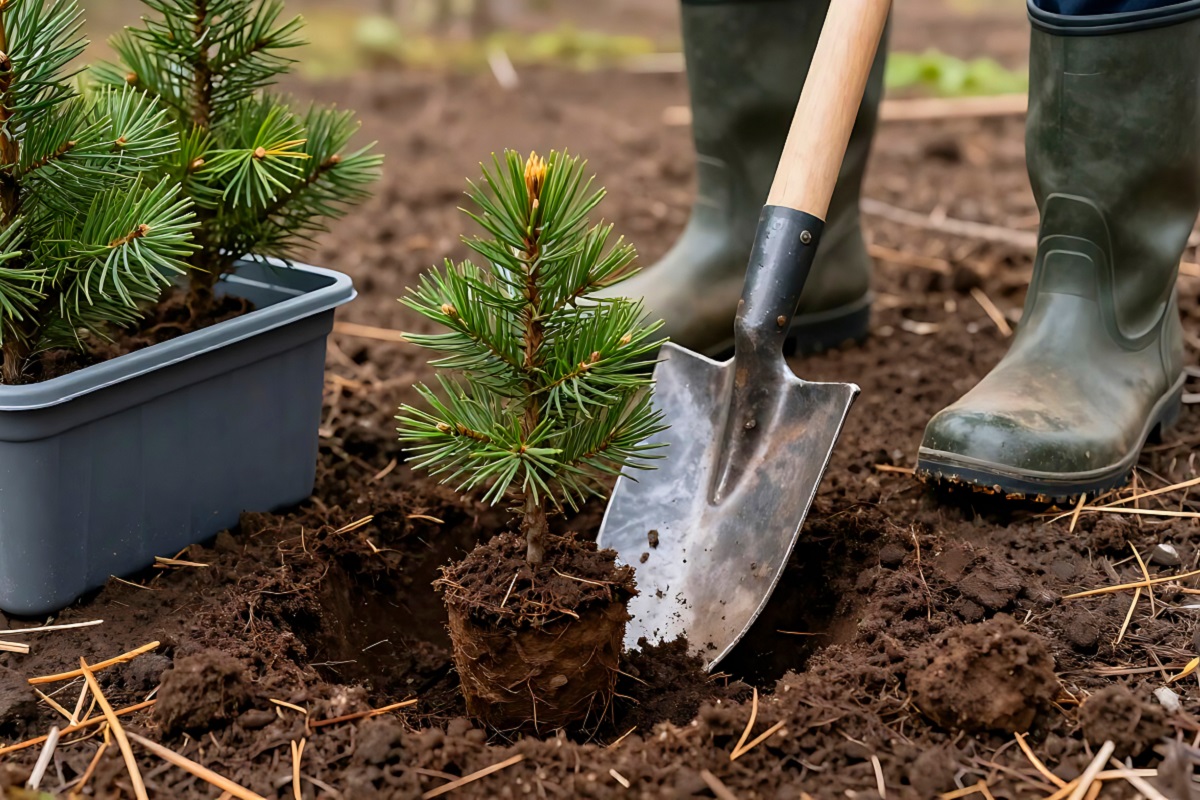
There are several key factors to take into account when you’re shopping for a shovel:
- Uses: The most important consideration is what the shovel will be used to do. For instance, if you need the best shovel for removing grass, then a post hole shovel isn’t an effective choice, so it’s necessary to identify what you need to do and choose a shovel specifically made for that purpose.
- Size/Length: The size and length should be based on both your own size and strength, as well as the type of job you will be doing. Typically, long-handled shovels are better for upright digging, while short-handled shovels are best when you need high accuracy and leverage or while moving material in tight spaces.
- Material: The material of the shovel impacts the durability, weight, and weather-resistance of the tool. The strongest shovels are made of forged steel, but they are not as weather-resistant as fiberglass shovels, while wood-handled shovels are lighter, but lack the durability and weather-resistance of steel or fiberglass.
- Blade: Shovel heads, or blades, are shaped for the task they are made to accomplish.
- Round–point blades are best for general digging and planting.
- Square–point blades and scoop blades are good for moving loose materials.
- Triangle–point blades are made for cutting through tough roots and plants.
- Flat-edged blades are ideal for edging lawns and cutting sod.
- Large sloped blades are made for pushing and scooping snow.
- Long narrow blades are designed for digging deep, narrow holes or trenches.
| Uses | Type of Shovel |
| Digging and Landscaping | Pointed Shovel, Round Shovel, Trowel, Folding Shovel |
| Planting and Transplanting | Round Shovel, Tree-Planting Shovel |
| Carrying and Spreading Loose Material | Flat Head Shovel, Pointed Shovel, Round Shovel |
| Digging Trenches | Trenching Shovel, Folding Shovel |
| Cutting Plants and Roots | Root Shovel |
| Digging Post Holes | Post Hole Shovel |
| Scooping and Pushing Snow | Snow Shovel |
| Clearing Snow | Power Snow Shovel, Snow Shovel |
Parts of a Shovel
A shovel has three main parts—the blade, shaft, and grip—and a few other key structural parts. Most variation in shovels have to do with the shape of its blade.
- Blade or Scoop: The base of the shovel that is designed to dig, cut, or move material. It can be pointed, flat, rounded, or curved.
- Shaft: Connecting the blade to the handle of the shovel, the shaft is typically made of wood, fiberglass, or steel and can be different lengths depending on the type of shovel.
- Grip or Handle: At the top of the shovel is the grip or handle, which is made for controlling and lifting the shovel.
- Step or Tread: The flat edge on the top of the blade can be used to place your foot to drive the blade into the ground, though not every shovel has a wide enough or sturdy enough step or tread for the purpose.
- Socket or Collar: Where the blade is connected to the shaft you will find a socket or collar securing the two parts with rivets or nails, ensuring that they do not come apart while the shovel is in use.
- Tip: The cutting edge of the blade which can be dull, rounded, sharpened, or even serrated depending on the type of shovel and the purpose for which it will be used.
Types of Shovels
1. Pointed Shovel
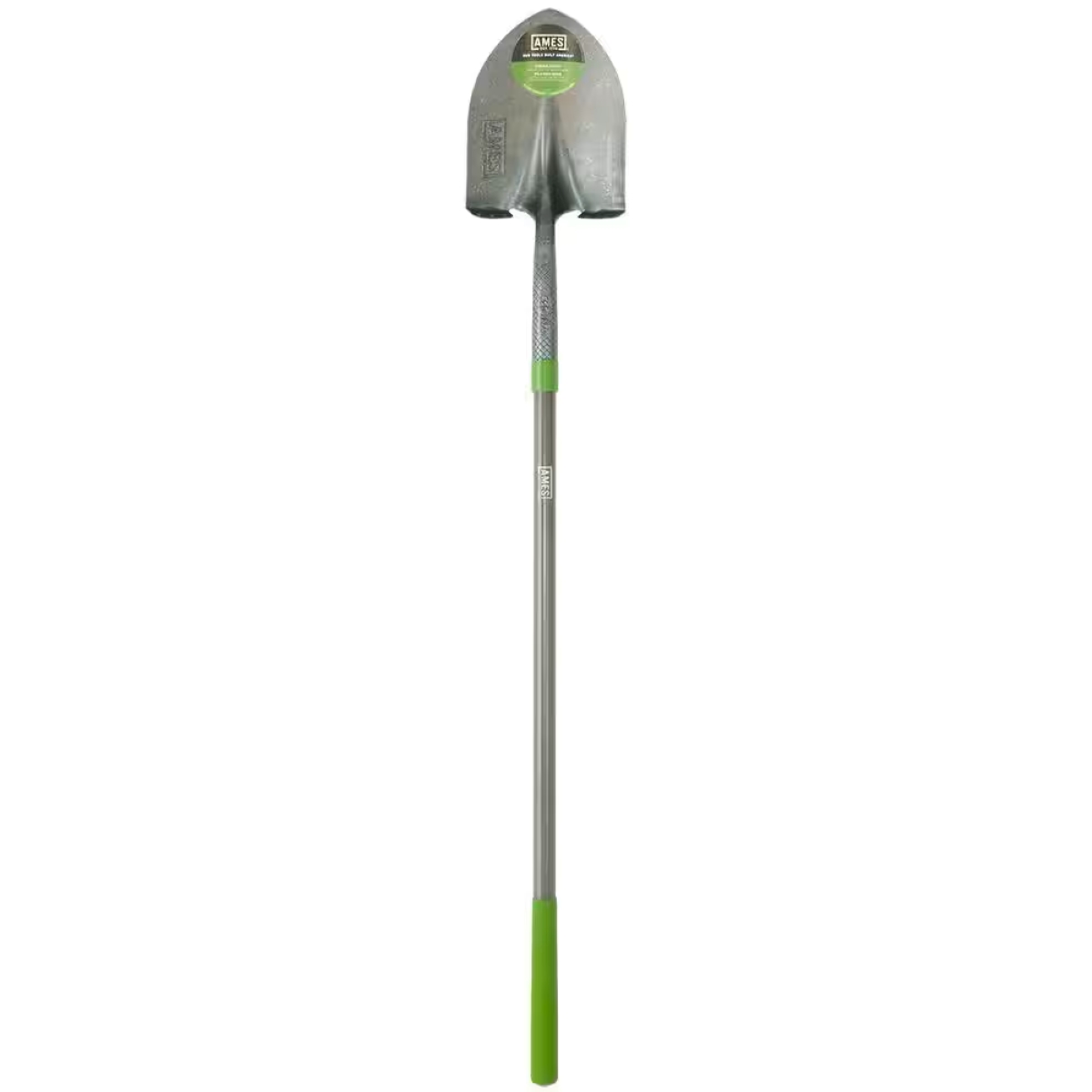
Pointed shovels have a blade that ends in a sharp point, making them well suited for digging through tough, compacted soil. They have a broad blade that can scoop, carry, and toss dirt, so you can dig into loose soil and remove material in one motion making pointed shovels one of the best types of digging shovels.
Pointed shovels can also be used to dig into rocky soil, using the tip of the shovel to cut through the dense material. For harder or denser soil, users can drive the blade into the ground using their foot because of the shovel’s wide foot plate and long wood or metal shaft. It should also be mentioned that pointed shovels are sometimes referred to as round point shovels. Having this information makes it easier to find what you need when you are looking into where to buy a shovel for digging.
Best For: Digging through tough, compacted, or even rocky soil.
Our Recommendation: Ames Pointed Digging Shovel at The Home Depot for $37.98
2. Round Shovel
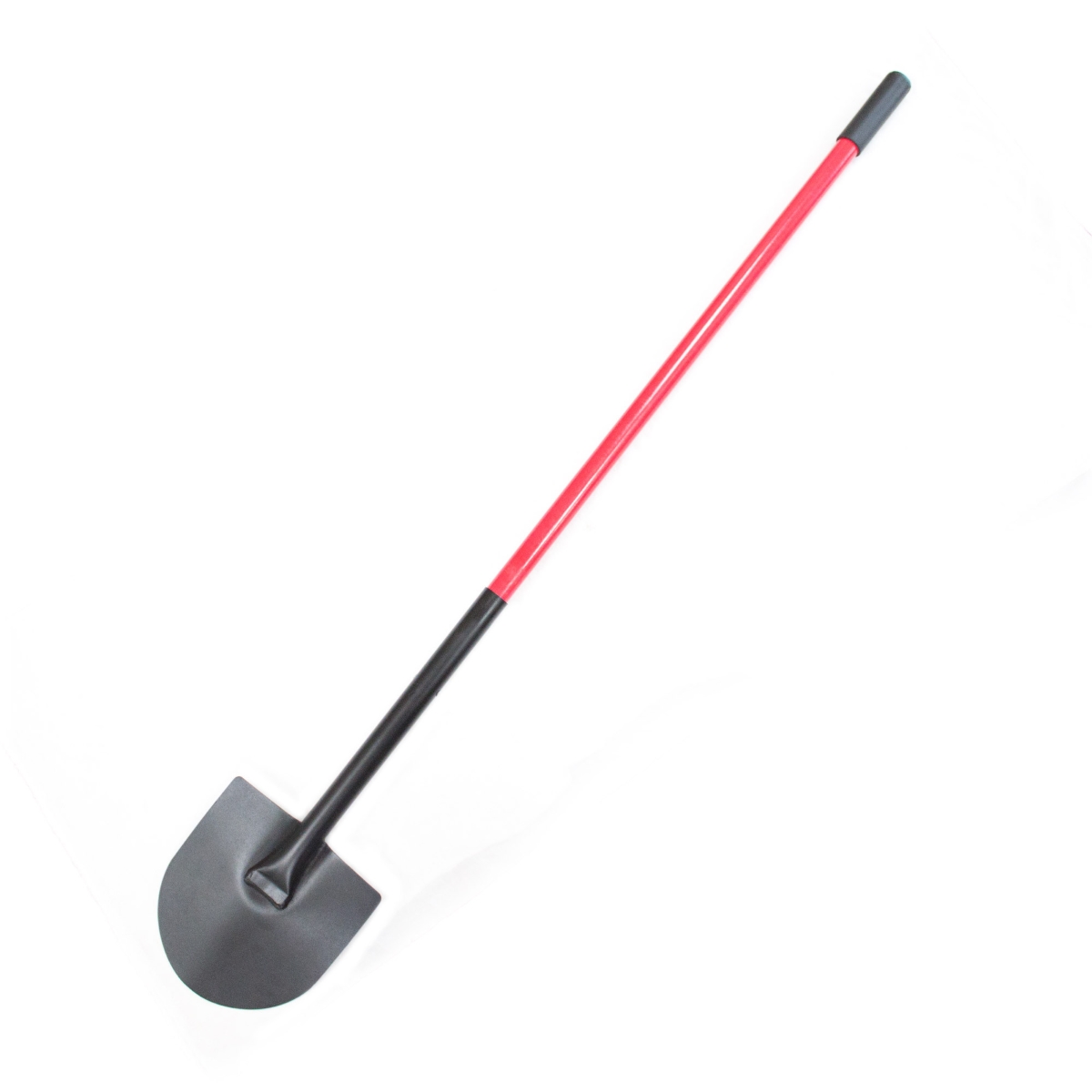
Round or caprock shovels have a round blade that is ideal for removing plants without damaging the roots, allowing users to transplant healthy plants to a different area in the yard. The round shovel blade can also be used to break up clay, thin rock, and other dense material by using your weight to drive through the tough substance.
Alternatively, you can use this garden shovel to dig holes in soft soil in order to prepare for new plants or small trees. However, these shovels have a longer shaft than pointed shovels, and the blade ends in a smooth, rounded curve instead of a sharp point. This means that round shovels are not well suited for digging into tough, dense, or rocky soil.
Best For: Transplanting plants and digging holes in soft soil for new plants or trees.
Our Recommendation: Bully Tools Caprock Shovel at Northern Tool + Equipment for $59.99
3. Snow Shovel
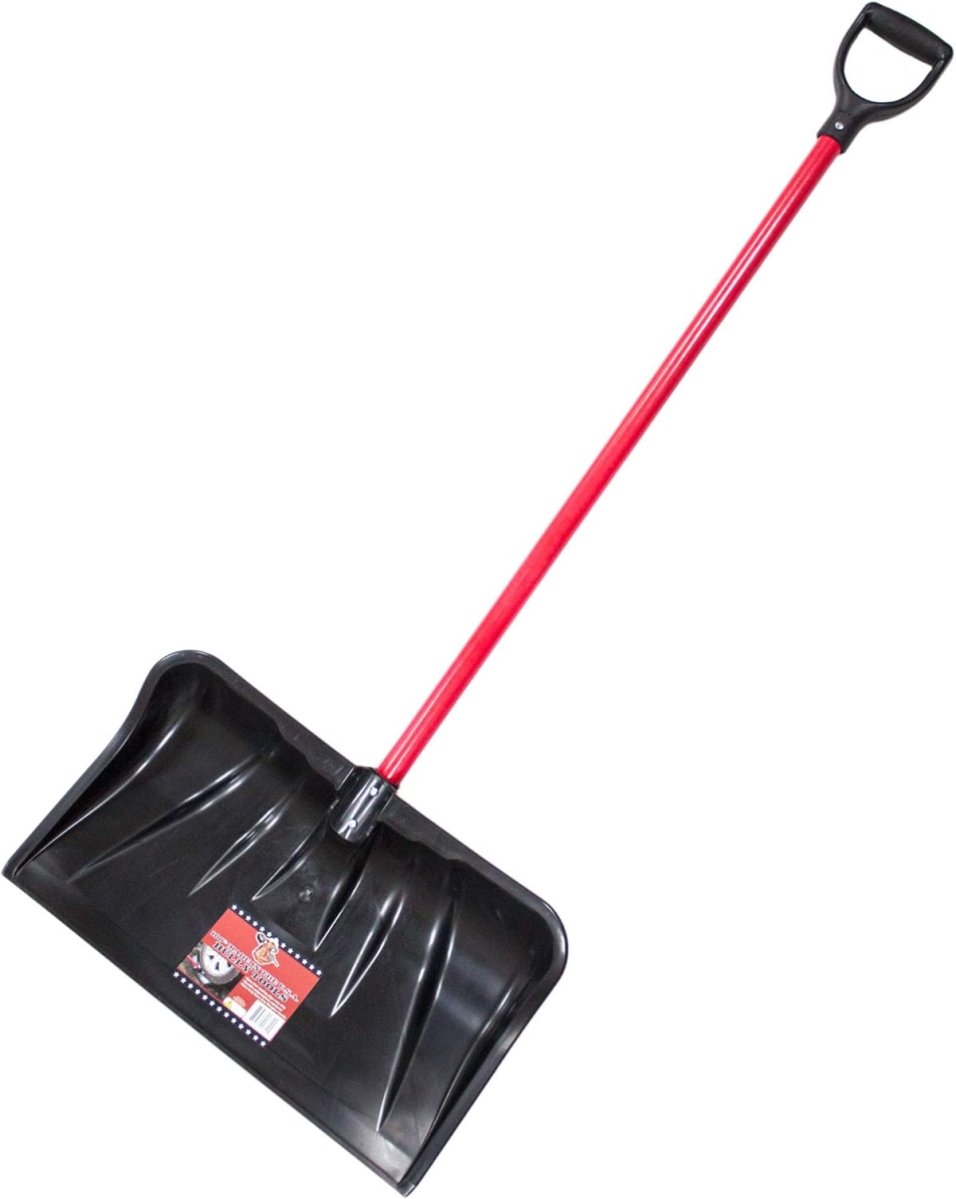
Snow shovels have a forward-facing metal or plastic blade shaped like a vertically curved rectangle. The broad blade is designed to clear snow off of driveways, walkways, decks, porches, and paths. Some models may even have curved blades to help relieve strain on your back while pushing, lifting, or tossing snow.
Snow shovels are available with a range of shaft lengths and blade sizes. While many shovels are used during warmer weather to dig into the ground, scoop dirt, or cut through existing turf, snow shovels are far more effective when it comes to pushing, scooping, and clearing snow.
Best For: Push, scoop, and toss snow to clear paths and driveways.
Our Recommendation: Bully Tools Snow Shovel at Amazon for $39.99
4. Flat Head Shovel
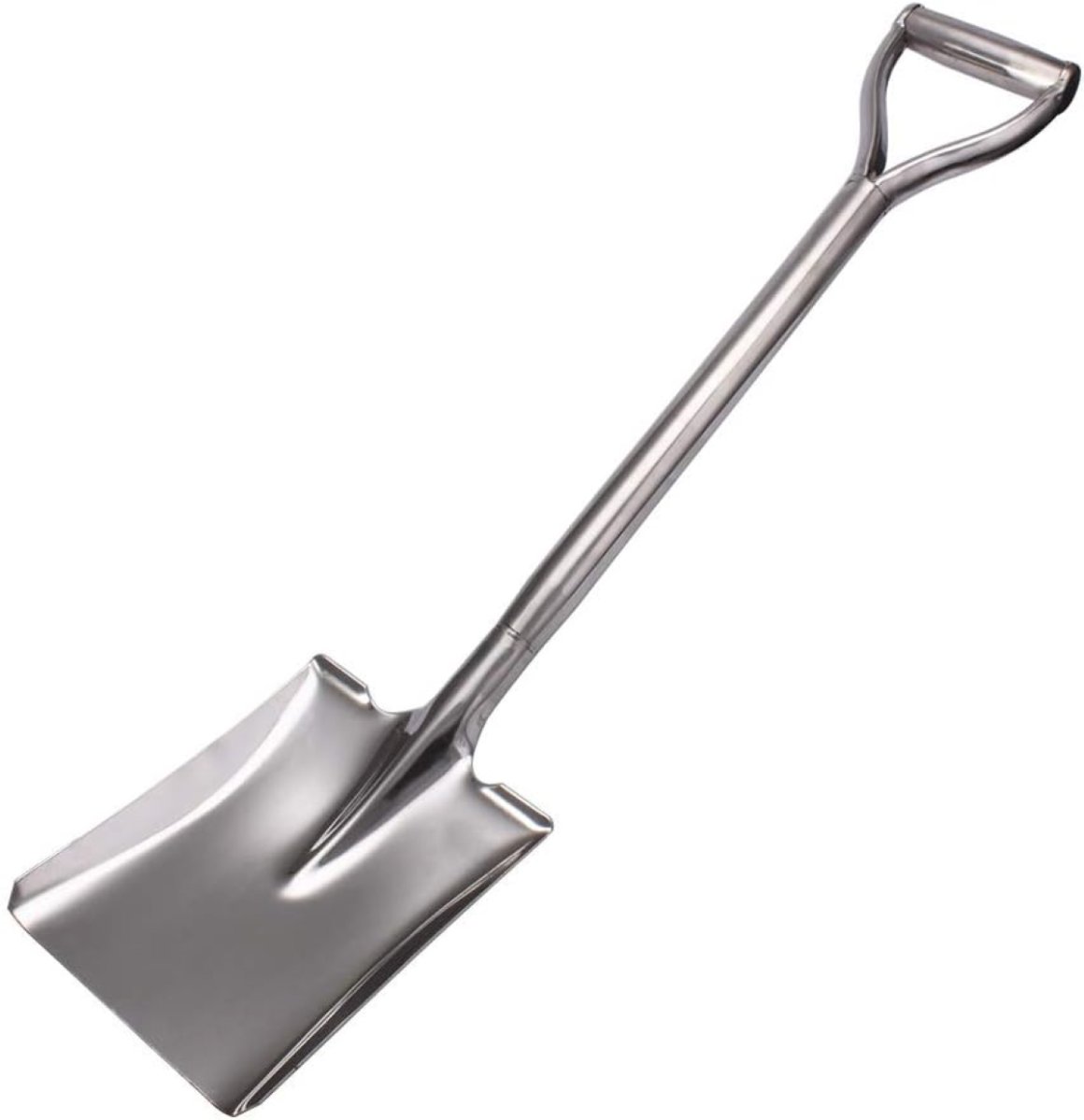
Flat head shovels are commonly used in landscaping as the best shovel for gravel, dirt, soil, mulch, and other loose garden materials. The wide, slightly concave blade with upturned edges helps ensure that you can carry a significant amount of material without worrying about the soil or gravel spilling off the sides.
However, flat head shovels are not the best choice for digging or cutting, so you will want to stick to scooping, spreading, and moving garden materials when using this type of shovel. Remember, when choosing a shovel, it’s important to think about how the shovel will be used in order to select one that is suited to the task.
Best For: Scooping, spreading, and carrying soil, mulch, or gravel.
Our Recommendation: Luban Square Head Shovel at Amazon for $38.80
5. Handheld Shovel
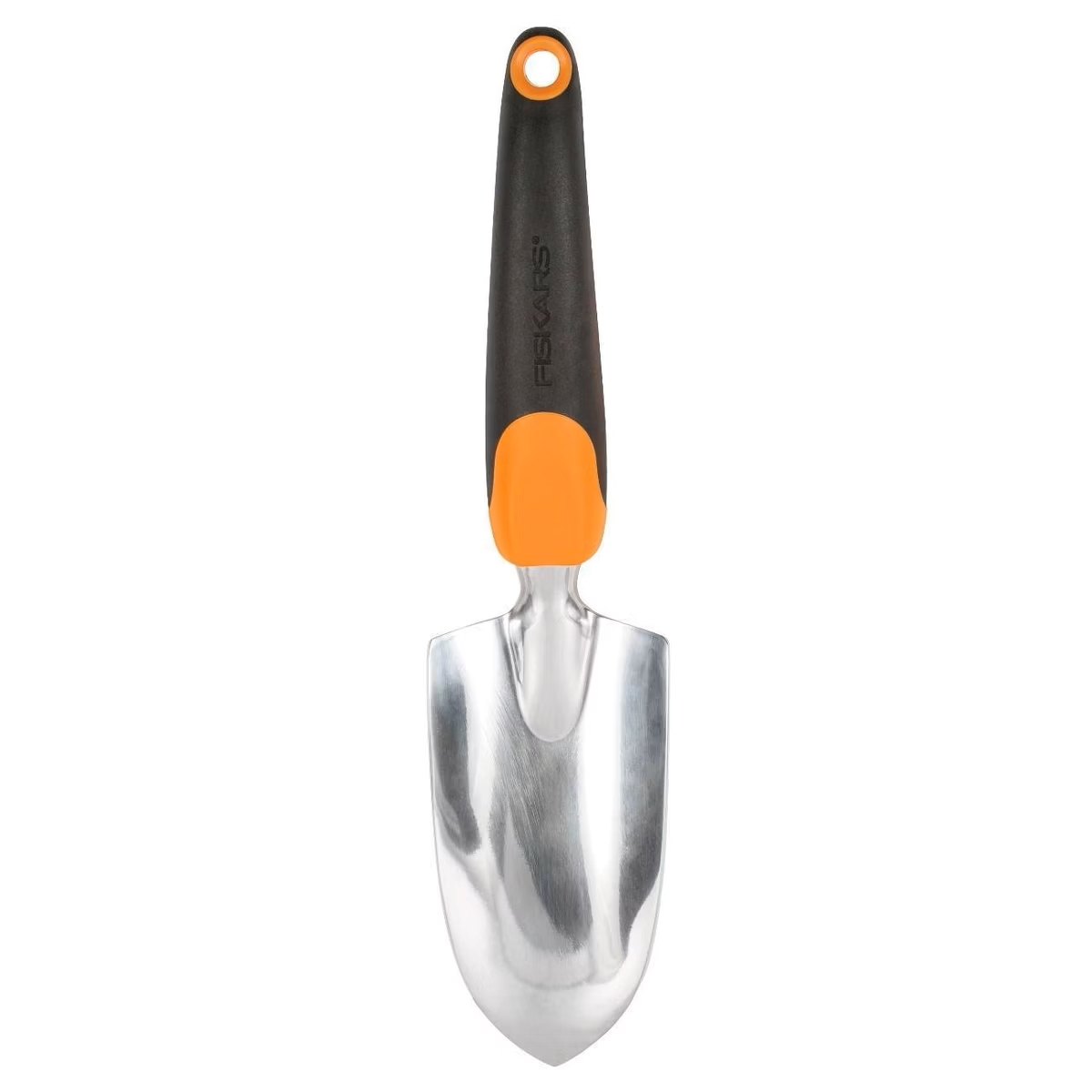
This type of shovel has a small blade and a very short shaft that is designed to be gripped in one hand. Use handheld shovels to dig up weeds, transplant seedlings, or dig holes for new plants. Typically, handheld shovels have relatively narrow blades that are about 6 inches in length. The blades can have rounded or pointed tips, depending on the intended purpose.
A handheld shovel can also be referred to as a garden shovel, garden trowel, hand shovel, garden spade, or hand trowel. Opt for a pointed blade if you will be digging through tough dirt, or go with a rounded blade for soft garden soil.
Best For: Digging up weeds, removing plants, and digging shallow holes for new plants.
Our Recommendation: Fiskars Heavy-Duty Trowel at Amazon for $8.94
6. Edging Shovel
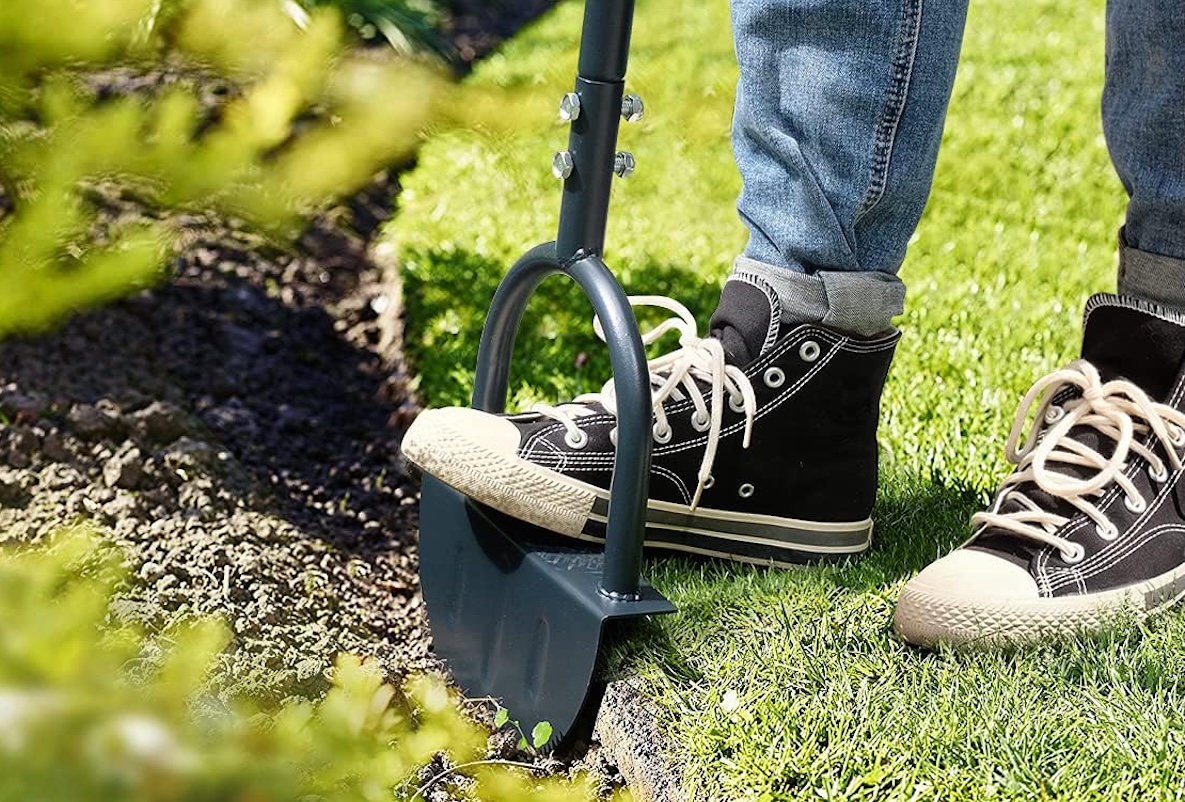
A highly efficient gardening tool, an edging shovel cuts cleanly through the foliage and the soil with little force required. Edging shovels have a small semicircular blade that is designed for cutting through weeds and tough grass turf. You just need to line up the blade of the shovel where you want to cut, then apply pressure with your foot to drive the blade through the material.
By repeating this process along the sides of a path, the edges of a garden bed, or the borders of a driveway, you can remove grass, weeds, and other plants that have started to grow over. Also, the shaft of an edging shovel is generally longer than that of a standard digging shovel, so you don’t need to bend down to scoop dirt or other material.
Best For: Cutting edges for garden beds, pathways, and driveways.
Our Recommendation: Colwelt Saw-Tooth Edger at Amazon for $34.99
7. Tree-Planting Shovel
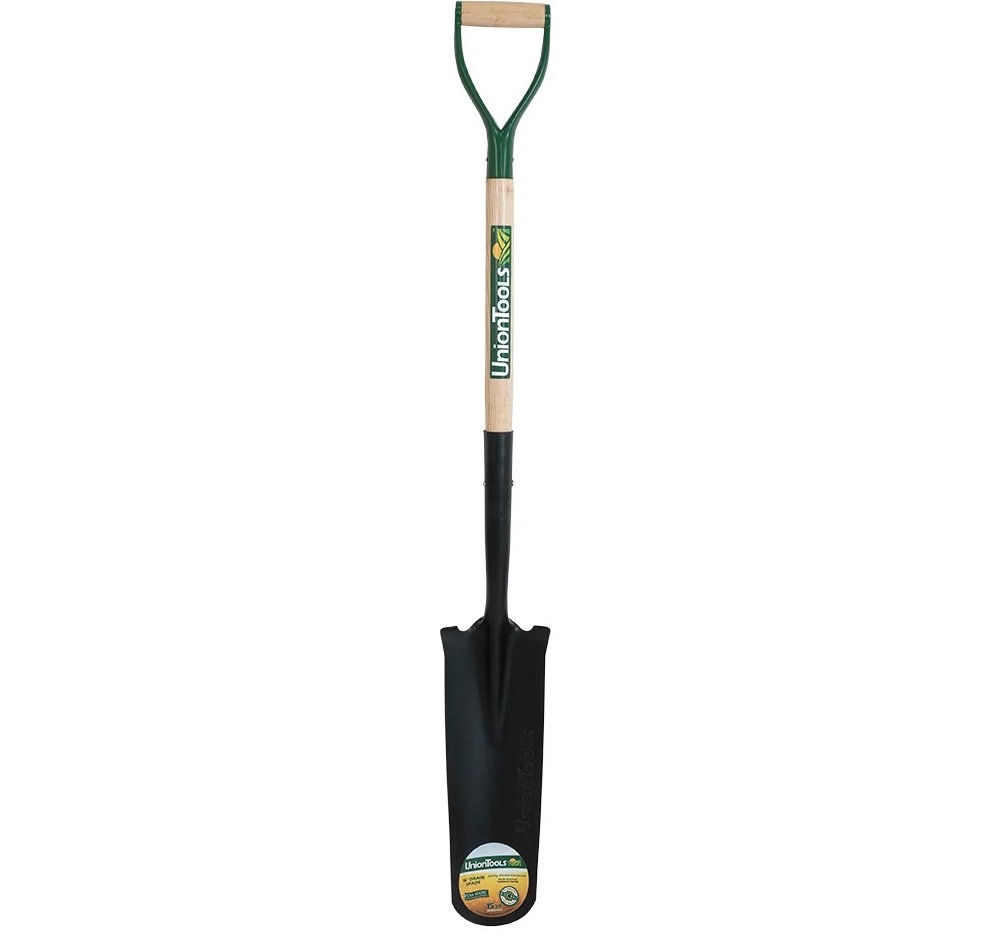
Tree-planting shovels or drain spades are specifically made for digging deep holes of various sizes for transplanting trees and other large plants. These shovels have a long blade, similar to trenching shovels, though tree-planting shovels have a wider blade that allows them to scoop and remove more material than a trenching shovel.
Tree-planting shovels can have either a curved or pointed tip, and the shaft of the shovel can vary in length. Longer shafts are typically better for digging on flat, even ground, while shorter shafts are suited for digging on hills or sloped ground. If you don’t have a trenching shovel on hand, a tree-planting shovel can also be used to make shallow trenches for flower beds.
Best For: Digging various-sized holes to plant trees.
Our Recommendation: Ames D-Handle Drain Spade at The Home Depot for $50.92
8. Root Shovel
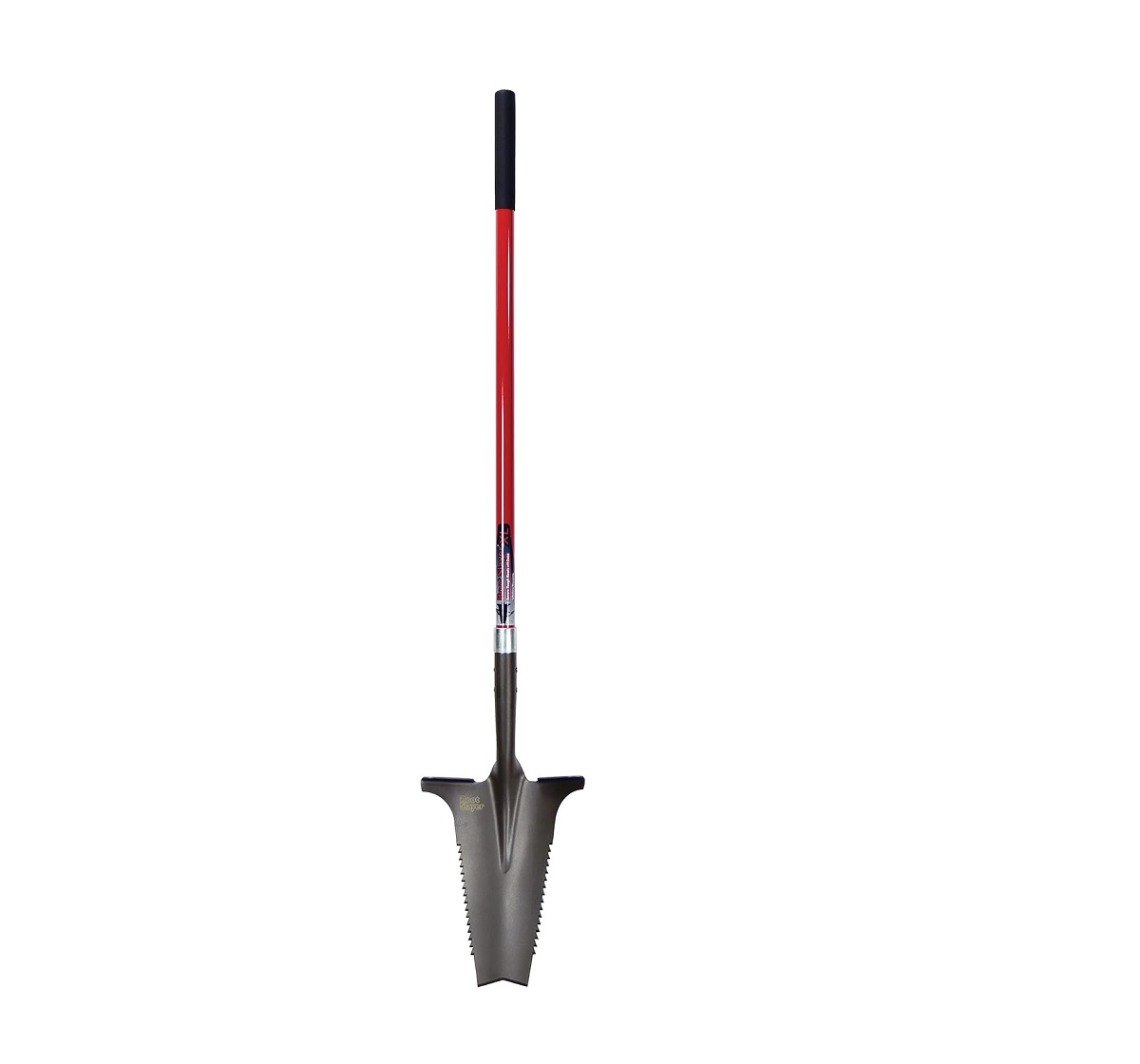
One of the best gardening shovels, you can use a root shovel to remove unwanted plants and small trees from the lawn or garden. The shaft of the shovel ranges in size, and the edges of the blade are typically serrated, allowing the user to saw through difficult tree roots. The elongated triangular blade ends in either a sharpened tip, a narrow flattened edge, or an inverted V-shaped cutting tip.
A root shovel is generally considered one of the sharpest shovels because it is designed to chop and slice through tough plant and tree roots. It can also be used to cut through buried tree roots that may be obstructing a backyard project or preventing you from planting new bushes or trees in the yard.
Best For: Cutting through tough plant and tree roots.
Our Recommendation: Radius Garden Root Slayer Shovel at Amazon for $59.99
9. Folding Shovel
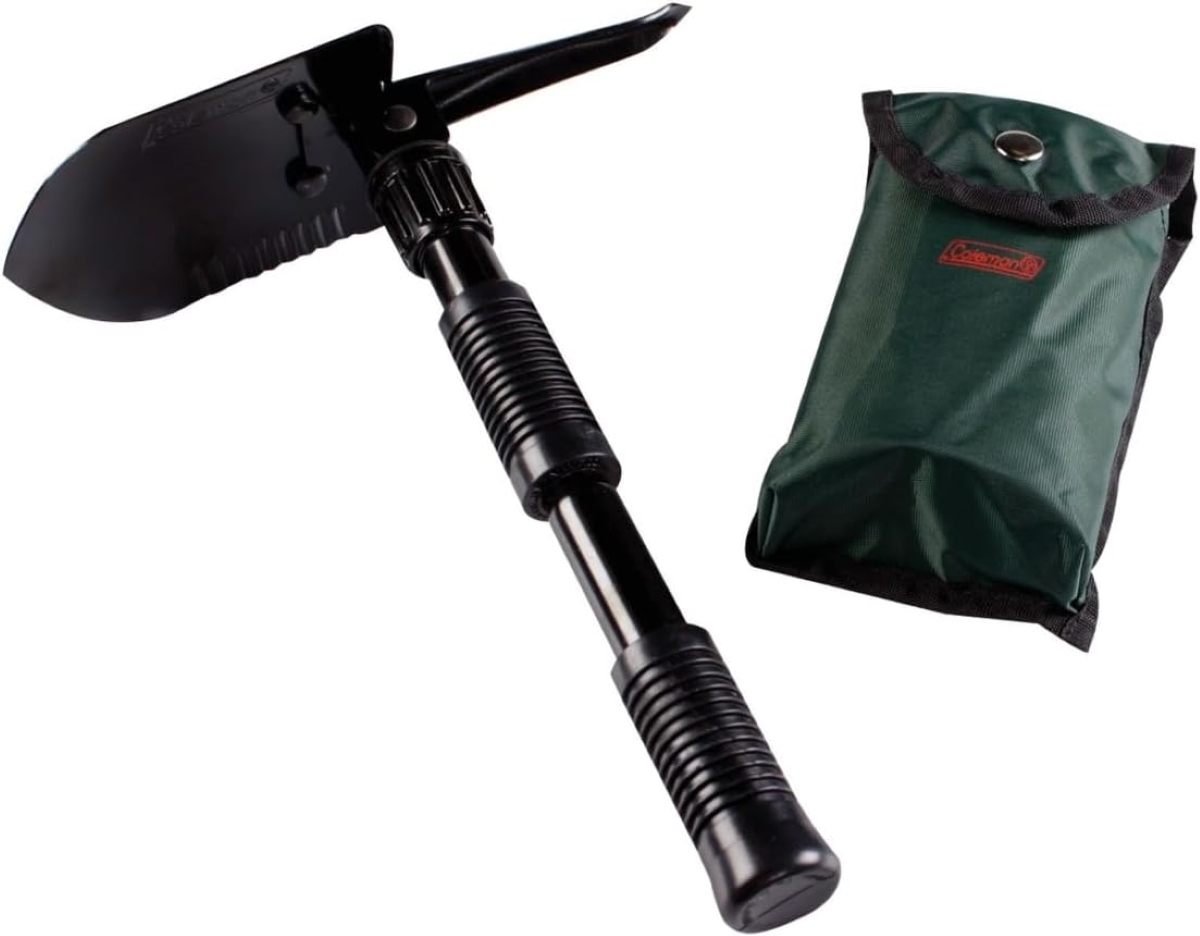
Folding shovels can be folded for storage, transportation, or to utilize a secondary feature on the back of the blade, like a pick. Folding shovels are excellent tools to have while hiking or camping because the shovel can quickly dig holes for fire pits and scoop dirt to douse the coals of a dying fire.
Add a folding shovel to the car or truck to help in the event of a roadside emergency. The shovel can dig a small hole where road flares can be safely placed, ensuring that your vehicle stands out, even in poor visibility. Just keep in mind that the portable design reduces the durability of the shovel, so these small shovels may wear out more quickly than standard shovels.
Best For: Portable use in RVs, roadside emergencies, or camping trips.
Our Recommendation: Coleman Folding Camping Shovel at Amazon for $18.99.
10. Power Snow Shovel
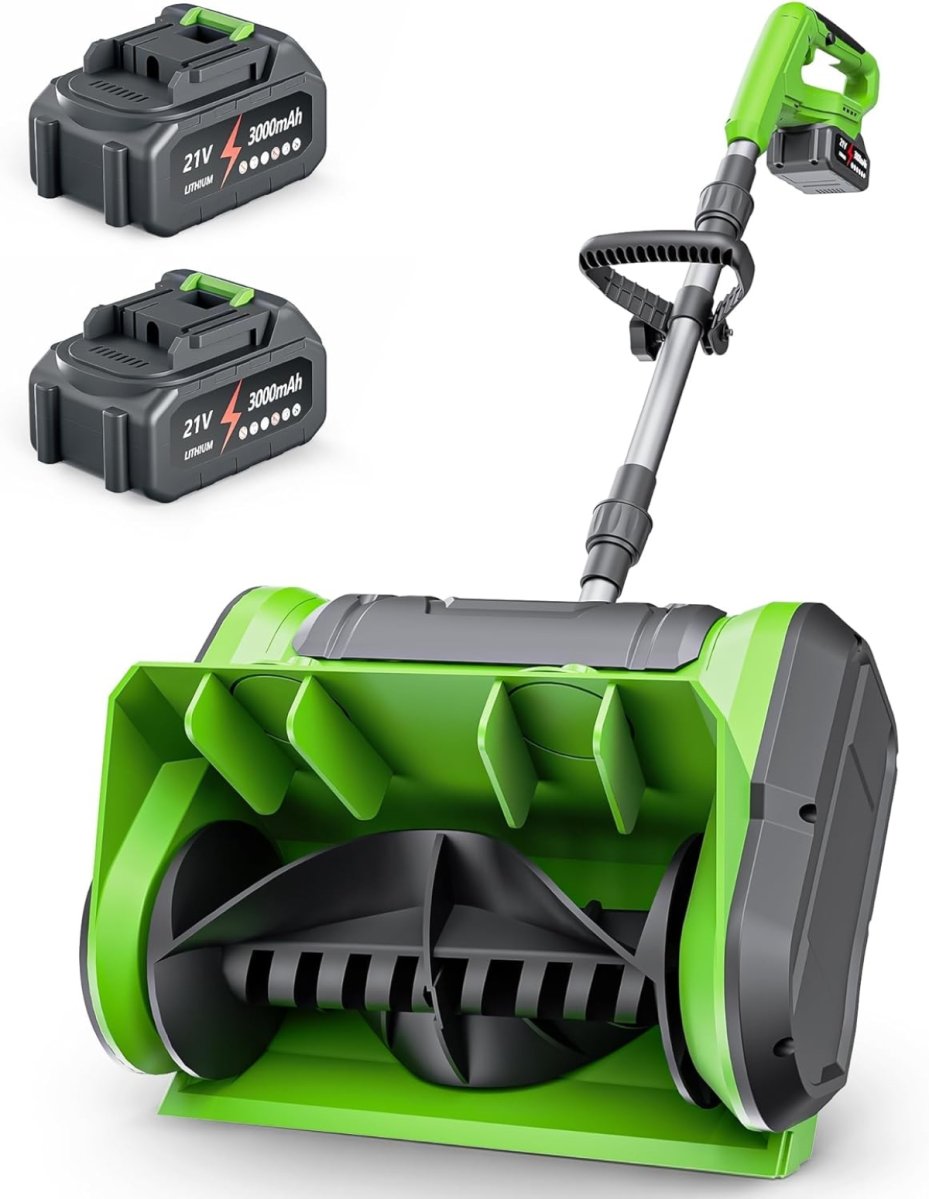
Power snow shovels fall in between a standard manual snow shovel and a full-size snow blower in terms of power and versatility. They have an internal motor to rotate the blades, allowing the power shovel to quickly scoop and discharge snow. You can use power snow shovels in narrow spaces where a full-size snow blower won’t fit, so you don’t have to force a manual shovel through the snow and ice.
Depending on the model, some power snow shovels can also be used to move loose soil, though it’s important to verify that this is the intended purpose before you try to drive a snow shovel through a pile of dirt.
Best For: Scoop and remove snow to clear paths and driveways.
Our Recommendation: DEGGE Electric Cordless Snow Shovel at Amazon for $139.99
11. Trenching Shovel
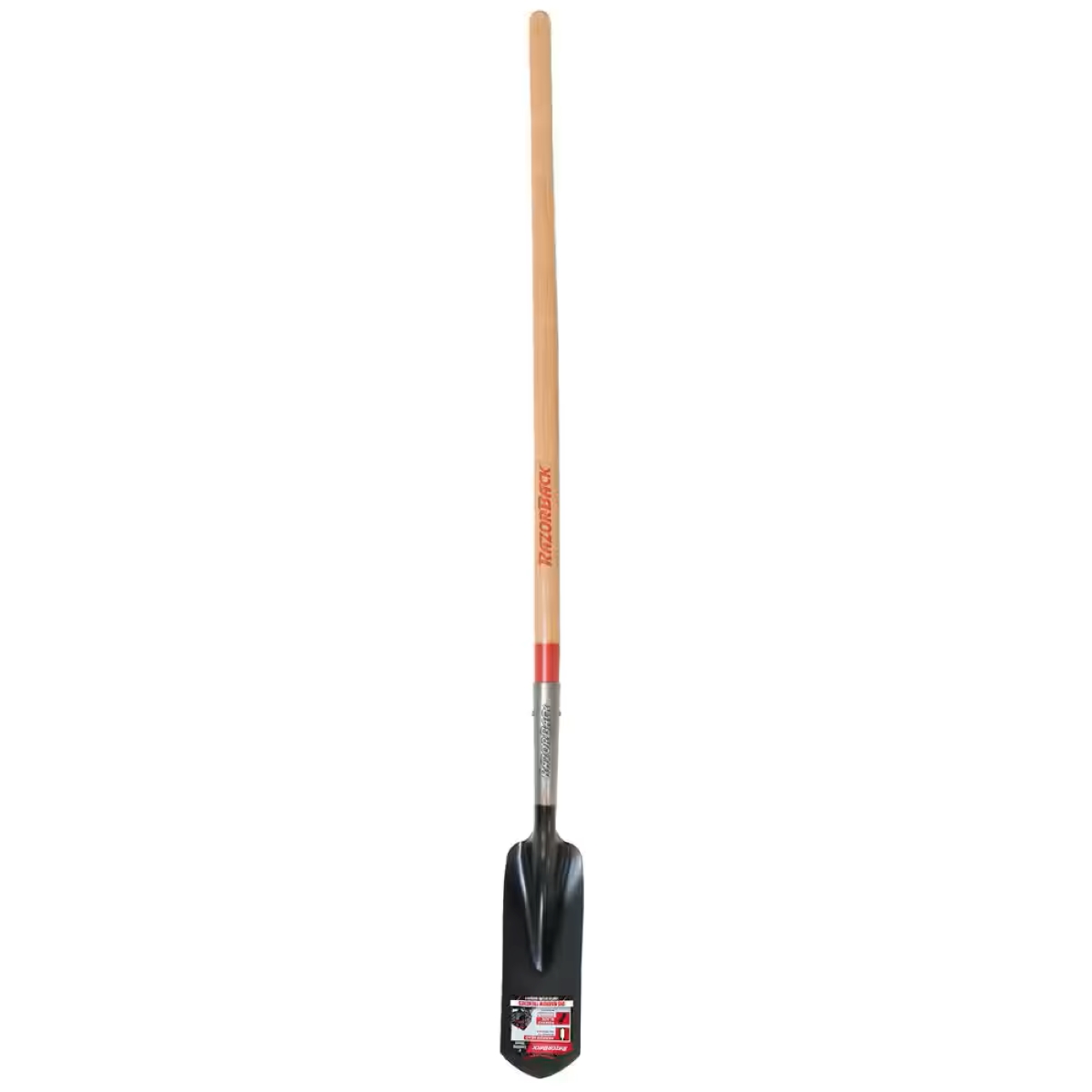
Trenching shovels have a long, narrow blade and are generally used to dig trenches or remove soil or gravel from deep holes that have a diameter too small for digging shovels to access. It should be noted, however, that you will need to rely on your upper body and arm strength when digging with a trenching shovel because the blade is too narrow to properly drive the shovel with your foot.
The terms “shovel” and “spade” are often used interchangeably because a spade is a type of shovel, but there is a slight distinction between the two terms. Shovels have wider blades that are better for moving material, while spades have narrow blades that are better for cutting and digging. The four primary types of spade include digging spades, border spades, pointed spade, and transplanting spades. Trenching shovels are typically considered a type of digging spade because they have long, narrow blades ideal for digging narrow trenches.
Best For: Digging shallow trenches and cleaning out deep, narrow trenches.
Our Recommendation: Razor-Back Trenching Shovel at The Home Depot for $34.56
12. Post Hole Shovel
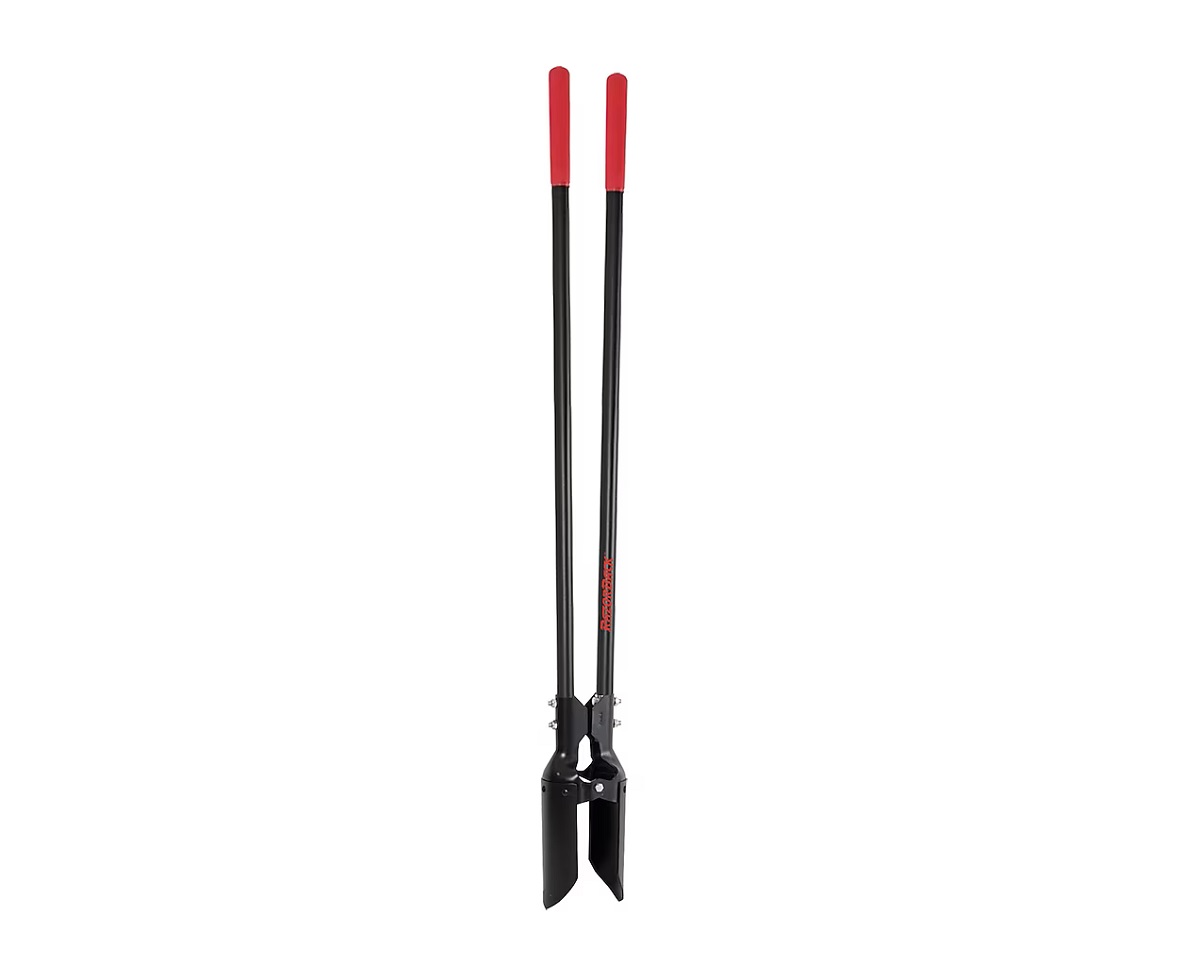
Post hole shovels are designed with two handles and two blades. You use the shovel by driving the blades into the soil, then use the two handles to close the blades, allowing the shovel to grab loose material between the closed blades. This mechanism helps dig and remove soil from narrow post holes, creating an even cylindrical hole in the ground for fence-post installation.
When you need to install an entire fence in a weekend, then it’s best to rent a motorized post hole digger, but if you are just replacing or installing a single post, then you can save money by investing in a post hole shovel. Similar to trench shovels, post hole shovels can also be used to clean out shallow trenches or deep, narrow holes, and with better results than broad digging shovels.
Best For: Digging and removing dirt from new post holes.
Our Recommendation: Razor-Back Post Hole Digger at Tractor Supply Co. for $64.99
Prices listed here are accurate as of publication on May 21, 2026.
The post Common Types of Shovels and When to Use Them appeared first on Bob Vila.