
We may earn revenue from the products available on this page and participate in affiliate programs. Learn More ›
Standing in the garden tool section of a local big-box hardware store and trying to choose a rake can be overwhelming: There are so many different types and sizes. A typical gardener or DIY landscaper will likely need only two or three different rake types. The trick is knowing which yard rakes will speed garden and lawn tasks, and which won’t be of much help in the situations. Ahead, find out what all those different types of rakes are really designed to do.
How to Choose the Right Rake
Choosing the best rake comes down to matching the tool to the job. While most rakes share the same basic handle, head, and tines design, the size, materials, and shape can make a big difference in how well they perform for specific tasks.
When comparing rakes, keep these factors in mind:
- Size: Wide heads cover more ground and speed up larger jobs, while narrower rakes provide better control in flower beds, around shrubs, and through tight spaces.
- Material: Plastic tines are lightweight and ideal for leaves, while metal tines are stronger for moving soil, gravel, mulch, and other heavy materials. Bamboo tines are gentler around delicate plants.
- Job: Choose a rake designed for the task at hand. Leaf rakes work best for lightweight yard debris, bow and garden rakes are better for soil preparation, and specialty rakes are designed for jobs like dethatching lawns, spreading gravel, or removing roof snow.
Parts of a Rake
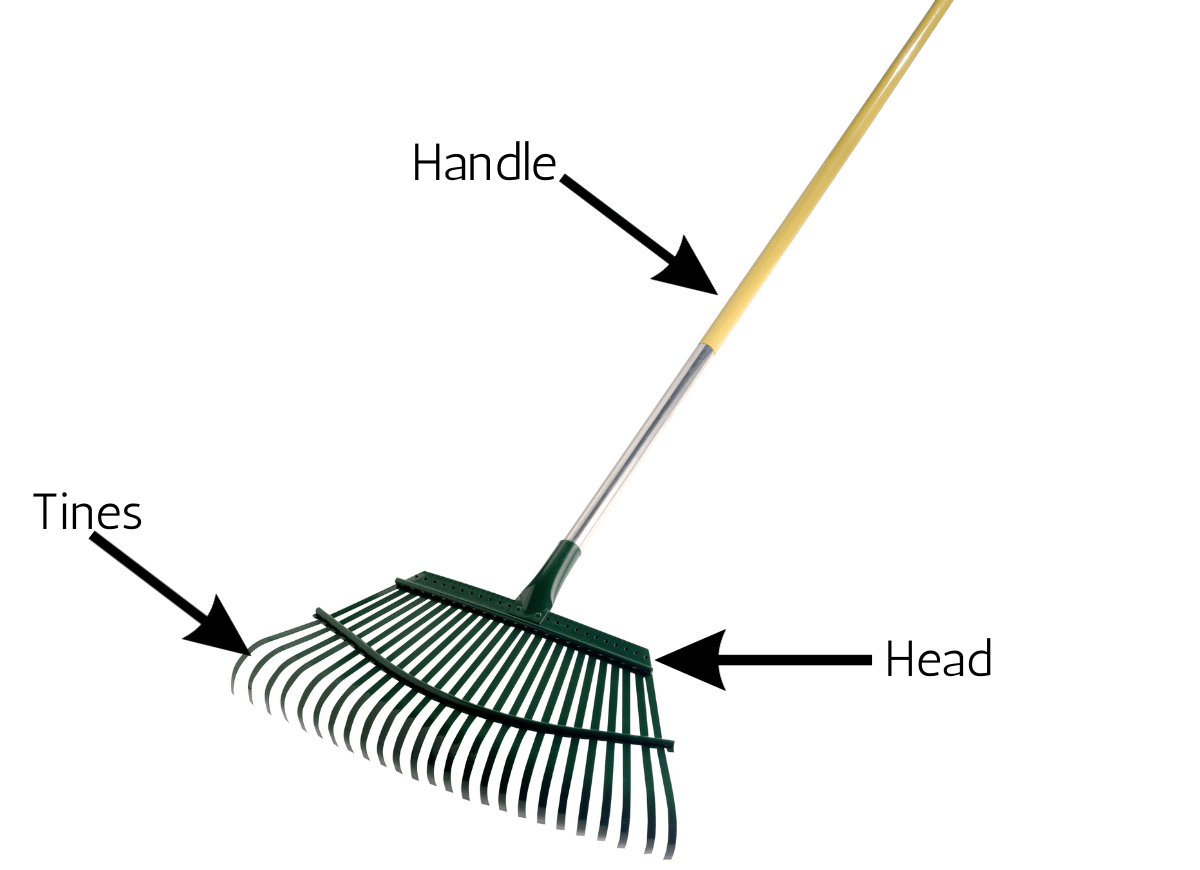
Parts of a Rake
As with any good tool, rakes are made up of a few different parts. Knowing these parts and the materials they might be made from can help a DIYer choose which rake is best for their particular needs and project.
- Handle: The handle of the rake is the part that the DIYer holds while using the tool. They may be long and intended for use with two hands, short for one-hand use, or even extendable for reaching long distances or heights.
- Head: The head is on the end of the handle; it’s essentially the business end of the rake. It can be triangular or rectangular in shape, depending on the model and type.
- Tines: The best way to explain tines is that they’re like the fingers that hang off the end of the rake head. They come in many shapes, sizes, and materials, and they often determine what the rake is best for.
In some cases, there may be some additional parts, like levers for adjusting the width of the tines, foam grips, and more.
Types of Rakes
1. Leaf Rake
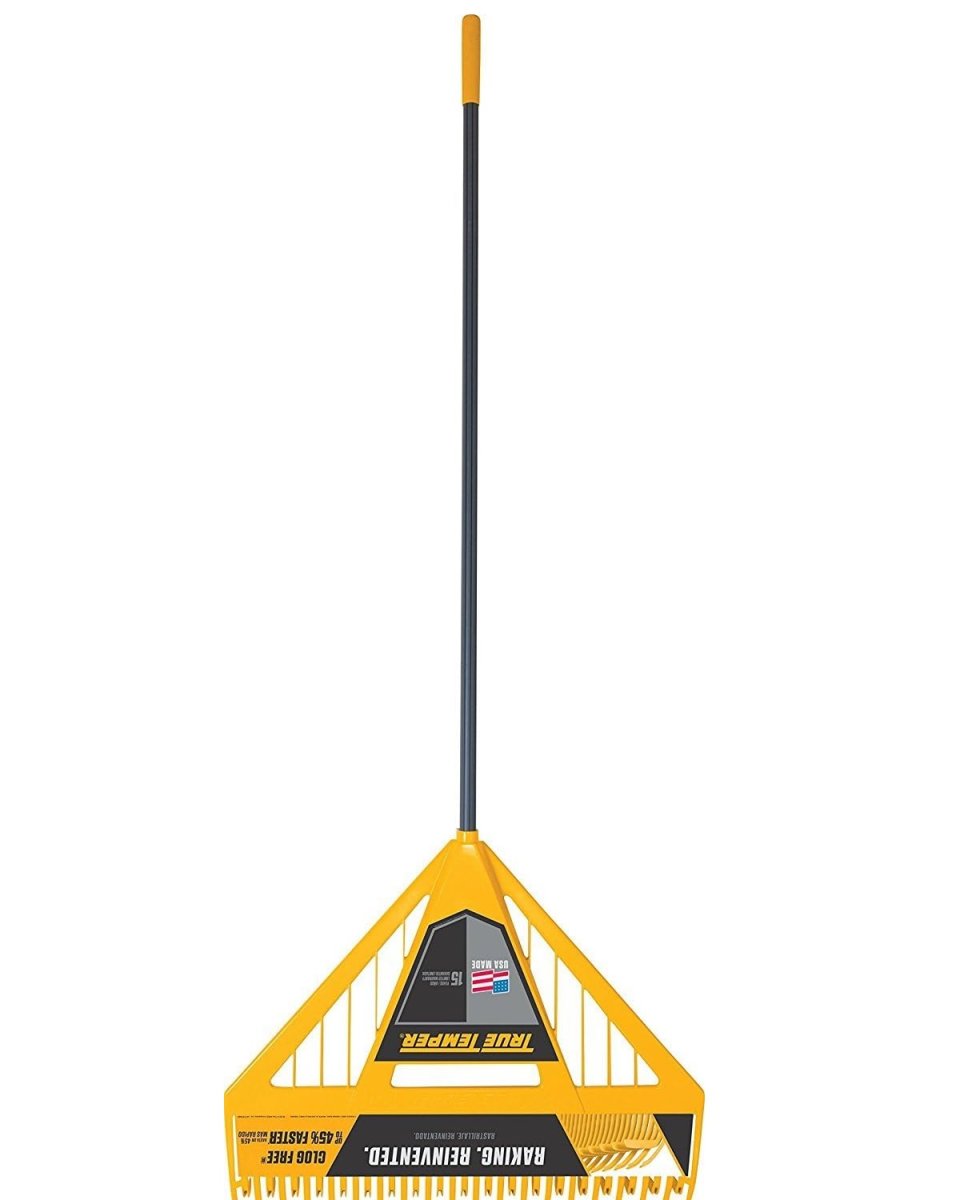
A leaf rake, also called a lawn rake, is designed to gather lightweight yard debris such as leaves, grass clippings, and small twigs without damaging the lawn. Its wide, fan-shaped head makes it the go-to rake for seasonal yard cleanup.
Leaf rakes typically feature a long handle and flexible tines made from plastic, metal, or bamboo. Plastic tines are lightweight and work well for dry or damp leaves, while metal tines are more durable and better suited for pine needles or heavier debris. Bamboo tines are gentler around flower beds and ground covers but are generally less durable.
Most leaf rakes have heads between 20 and 30 inches wide, allowing users to rake large areas quickly. While they’re excellent for collecting light debris, the flexible tines aren’t intended for moving heavy materials like soil, gravel, or mulch.
Best For: Raking leaves and light debris like twigs and grass clippings
Our Recommendation: Ames True Temper Dual Tine Poly Leaf Rake at Amazon for $72.16
The Ames True Temper leaf rake features flexible plastic tines and a 60-inch rubber-coated handle for general use.
2. Bow Rake
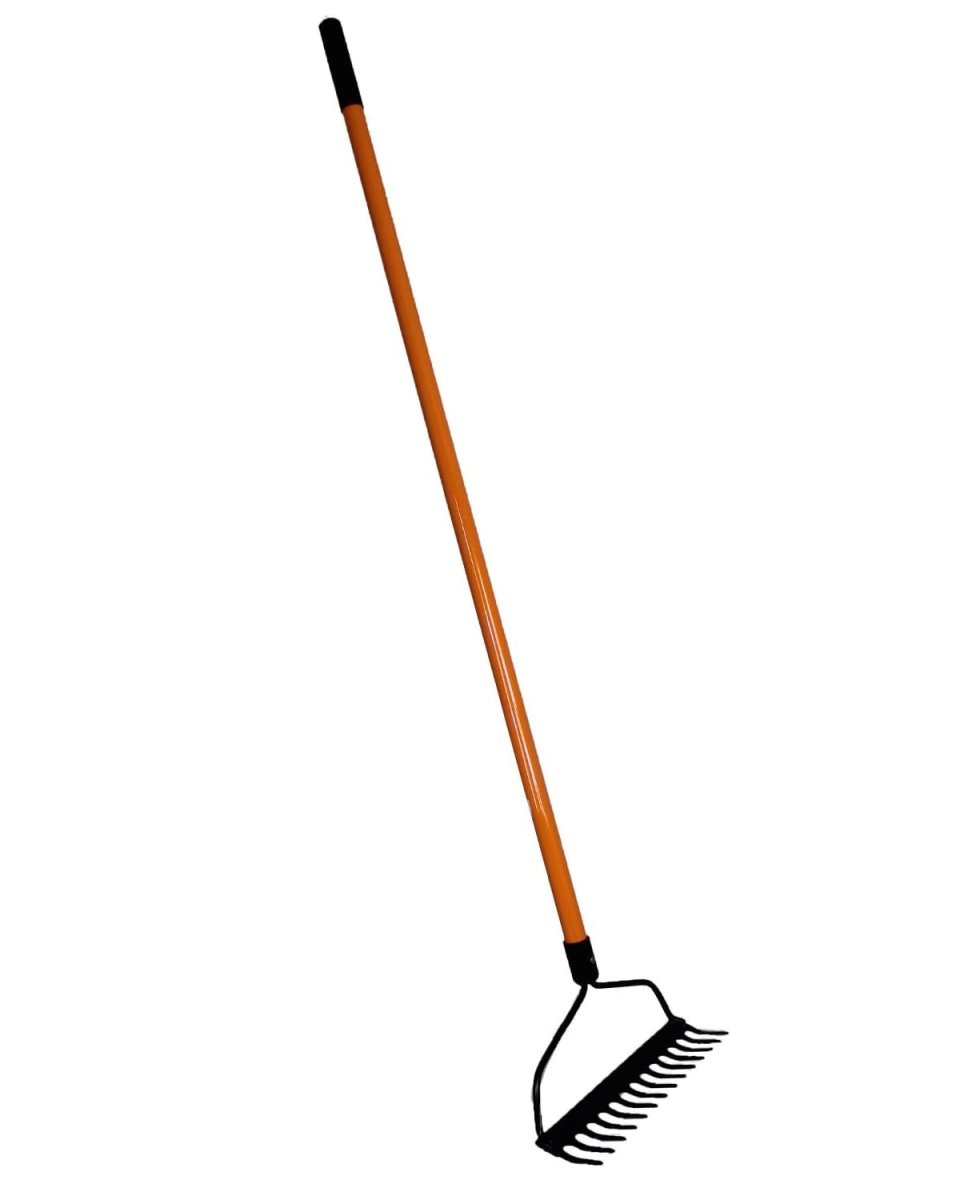
A bow rake, sometimes called a level-head rake, is built for moving, spreading, and leveling heavy materials such as soil, gravel, mulch, and sand. It’s one of the most versatile landscaping tools for homeowners.
Unlike a leaf rake, a bow rake has short, rigid metal tines attached to a straight head supported by a distinctive bow-shaped frame. The strong steel tines dig into dense materials without bending, making this rake ideal for preparing garden beds, leveling gravel, or spreading mulch.
Most bow rakes have heads between 14 and 18 inches wide with sturdy fiberglass, steel, or hardwood handles. Although they’re heavier than leaf rakes, the extra strength makes them far better suited for demanding yard and landscaping projects.
Best For: Leveling dirt, moving gravel, and raking heavy materials
Our Recommendation: Ashman Bow Rake at Amazon for $43.99
The Ashman 60-inch bow rake features heavy-duty metal tines and a rubber grip handle that’s sturdy enough for moving heavy materials.
3. Hand Rake
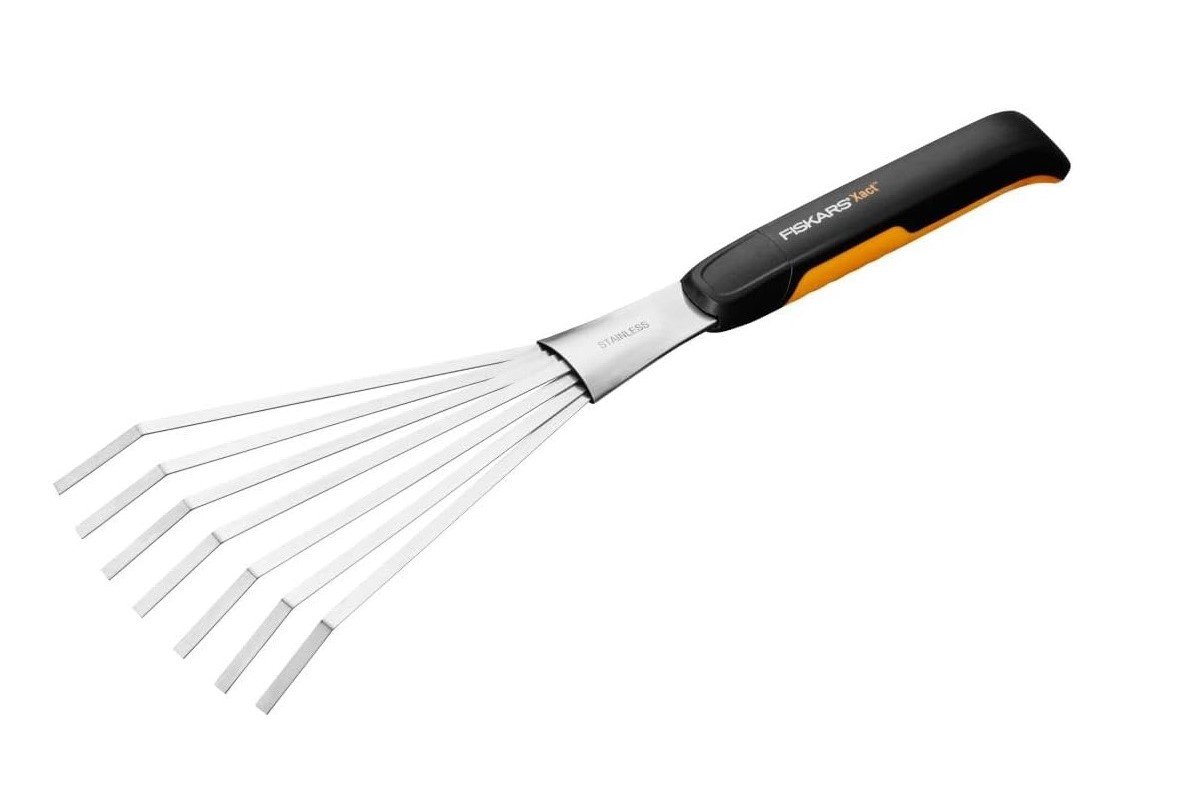
A hand rake, also called a hand cultivator or hand garden rake, is designed for precision work in flower beds, raised gardens, containers, and other small spaces where a full-size rake is impractical.
Hand rakes have a short handle and a compact metal head with several sturdy tines, allowing you to loosen soil, remove weeds, spread mulch, or clear debris around delicate plants. Their smaller size provides greater control while reducing the risk of damaging nearby flowers or vegetables.
Some hand rakes are also designed as leaf scoop rakes, which look like oversized claws used to gather piles of leaves into lawn bags. While these serve a different purpose, both styles are useful additions for maintaining gardens and landscaped areas.
Best For: Raking around delicate flowers and plants, picking up piles of leaves, and cleaning out garden beds
Our Recommendation: Fiskars Xact Hand Garden Rake at Amazon for $8.79
With tough but flexible stainless steel tines, the Fiskars Xact Hand Garden Rake is a great choice for working with delicate plants or picking up piles of leaves.
4. Shrub Rake
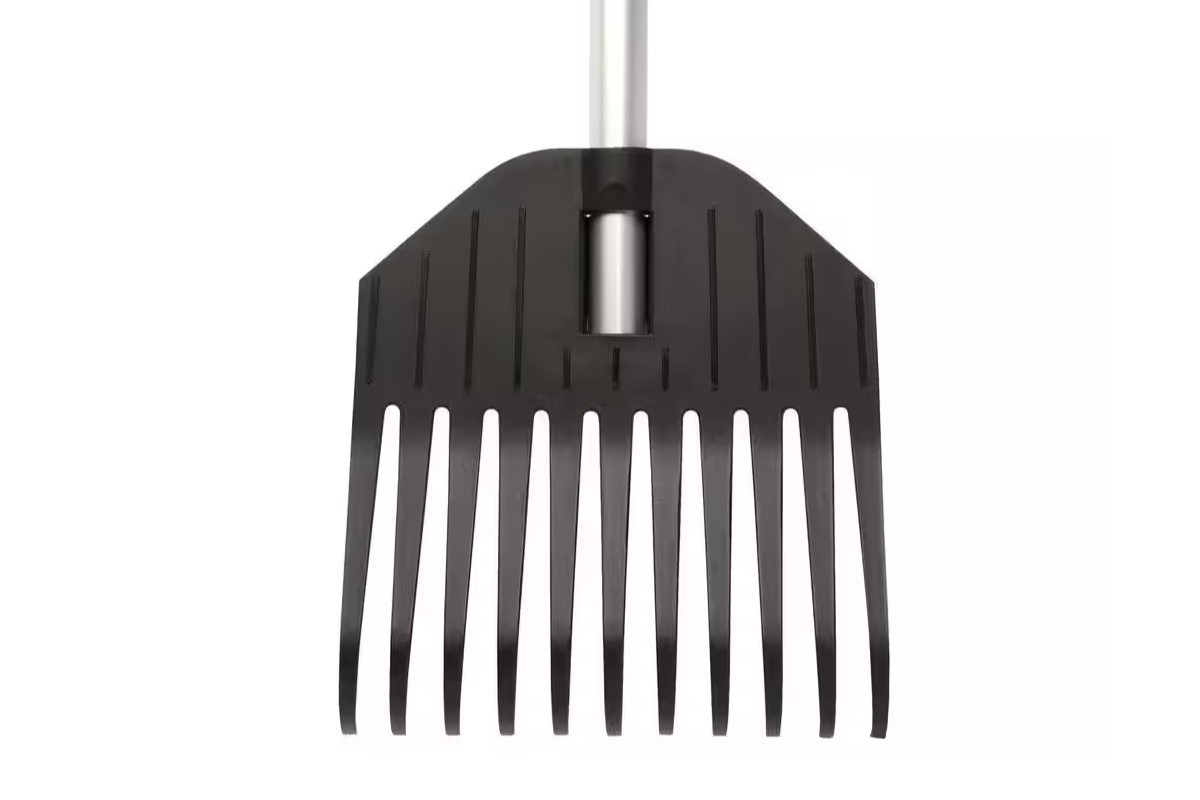
A shrub rake, sometimes called a bush rake, is designed to remove leaves and debris from beneath shrubs, around trees, along fences, and other tight spaces that are difficult to reach with a standard leaf rake.
Shrub rakes look like leaf rakes but have a much narrower fan-shaped head, typically 8 to 12 inches wide. Most have flexible plastic or metal tines attached to a long handle, while some models include telescoping handles for extending reach beneath dense landscaping.
Although they won’t replace a standard leaf rake for cleaning large lawns, shrub rakes are great at detailed cleanup around established plants where a wider rake would snag on branches or damage surrounding foliage.
Best For: Working around trees, shrubs, and tight places
Our Recommendation: Fiskars 66-inch Shrub Rake at The Home Depot for $18.88
Fiskars’ 8-inch shrub rake features sturdy plastic tines with a long aluminum handle for reaching between shrubs, bushes, and plants.
5. Garden Rake
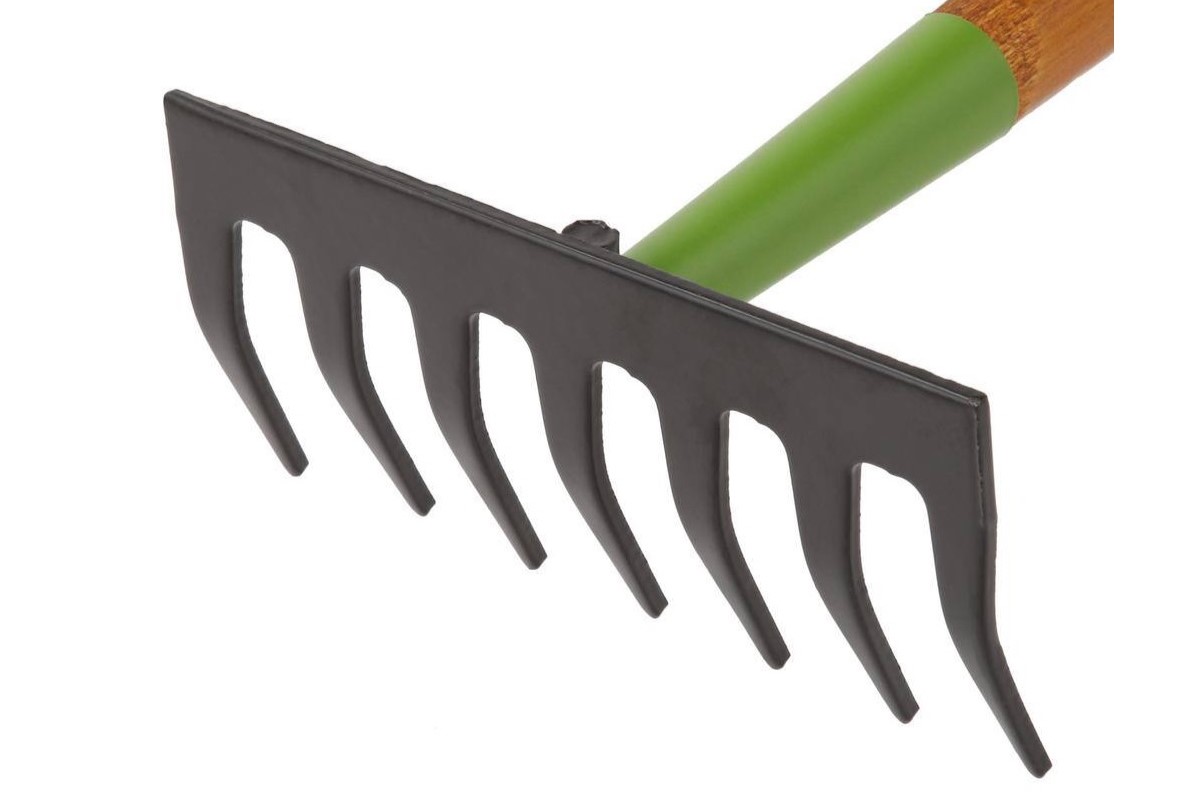
A garden rake, also called a soil rake or dirt rake, is designed for preparing planting beds by leveling soil, breaking up clumps, and removing rocks and debris. It’s an essential tool for vegetable gardens, flower beds, and other planting areas.
Unlike a bow rake, a garden rake features a straight head with rigid metal tines set at roughly a 90-degree angle to the handle. The strong steel tines are designed to loosen and smooth cultivated soil, making them ideal for the final stage of bed preparation before planting seeds or transplants.
Garden rakes typically have heads between 12 and 18 inches wide with long hardwood or fiberglass handles for comfortable use while standing. Because the tines are stiff rather than flexible, they’re excellent for soil work but aren’t best for collecting leaves or other lightweight lawn debris.
Best For: Removing debris from garden beds, turning and tilling soil
Our Recommendation: Ames Floral Level Rake at The Home Depot for $43.97
With a narrow head that reaches into tight spaces, durable metal tines, and a 48-inch hardwood handle, the floral level rake from Ames is well-suited for garden and vegetable beds.
6. Thatch Rake
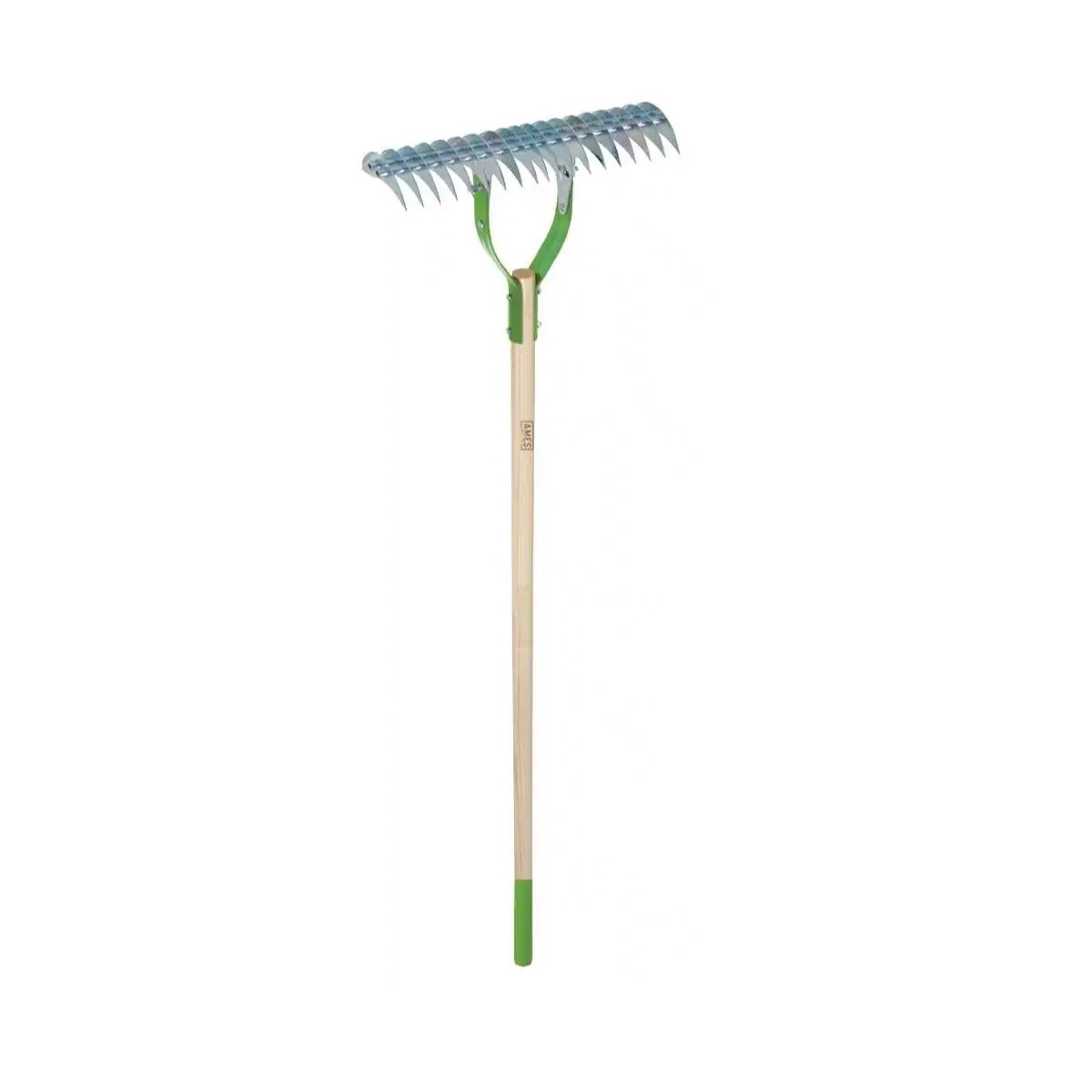
A thatch rake, also known as a dethatching rake, is designed to remove built-up layers of dead grass, roots, and organic material that accumulate between the soil and healthy turf. Removing excessive thatch helps improve airflow, water penetration, and nutrient absorption.
Unlike most rakes, a thatch rake has sharp, curved steel blades rather than traditional tines that makes them a good rake for grass. One side is designed to slice into the thatch layer, while the opposite side pulls loosened material to the surface for removal. This aggressive design makes it much more effective than a standard leaf or bow rake for lawn renovation.
Most thatch rakes have heavy-duty steel heads paired with hardwood or fiberglass handles to withstand the added force required during use. They’re intended for occasional maintenance rather than routine yard cleanup and are most useful when the thatch layer exceeds about ½- inch thick.
Best For: Removing thick mats of grass clippings, leaves, and other debris from the soil surface
Our Recommendation: Ames 54-inch Adjustable Thatch Rake at Amazon for $63.09
The Ames 54-inch adjustable thatch rake is heavy-duty and allows users to choose between different tine lengths for improving or reducing reach into the thatch.
7. Power Rake
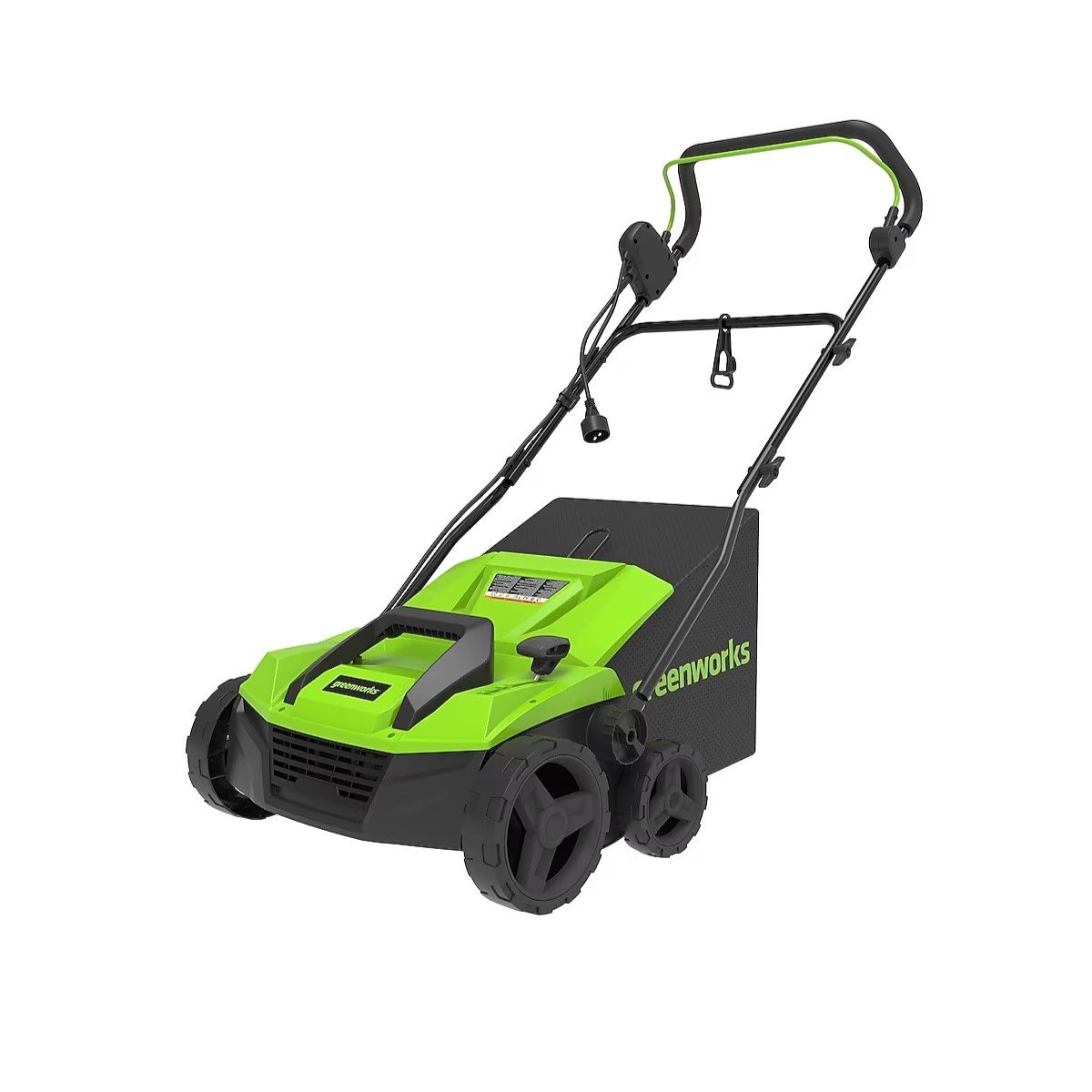
A power rake, sometimes called a powered dethatcher, uses a motorized rotating drum to remove thatch, moss, and lawn debris much faster than a manual thatch rake. It’s a good choice if you have a large lawn or heavy thatch buildup.
Instead of relying on manual force, power rakes use spinning metal tines or blades to lift dead grass and compacted organic material from the soil surface. Electric models are quieter and require less maintenance, while gas-powered models offer greater power for larger properties. Some units collect debris in an onboard bag, while others leave it behind for later cleanup.
Most residential power rakes have working widths between 13 and 16 inches with adjustable depth settings to match different lawn conditions. Although they’re more expensive than manual rakes, they can dramatically reduce the time and effort required for seasonal lawn maintenance.
Best For: Quickly and cleanly removing debris from a grass surface
Our Recommendation: Greenworks 13-amp Dethatcher at Lowe’s for $159
The Greenworks 13-amp dethatcher features a 14-inch wide dethatching path and adjustable heights to allow this power rake to remove debris that’s packed down on the soil.
8. Landscaping Rake
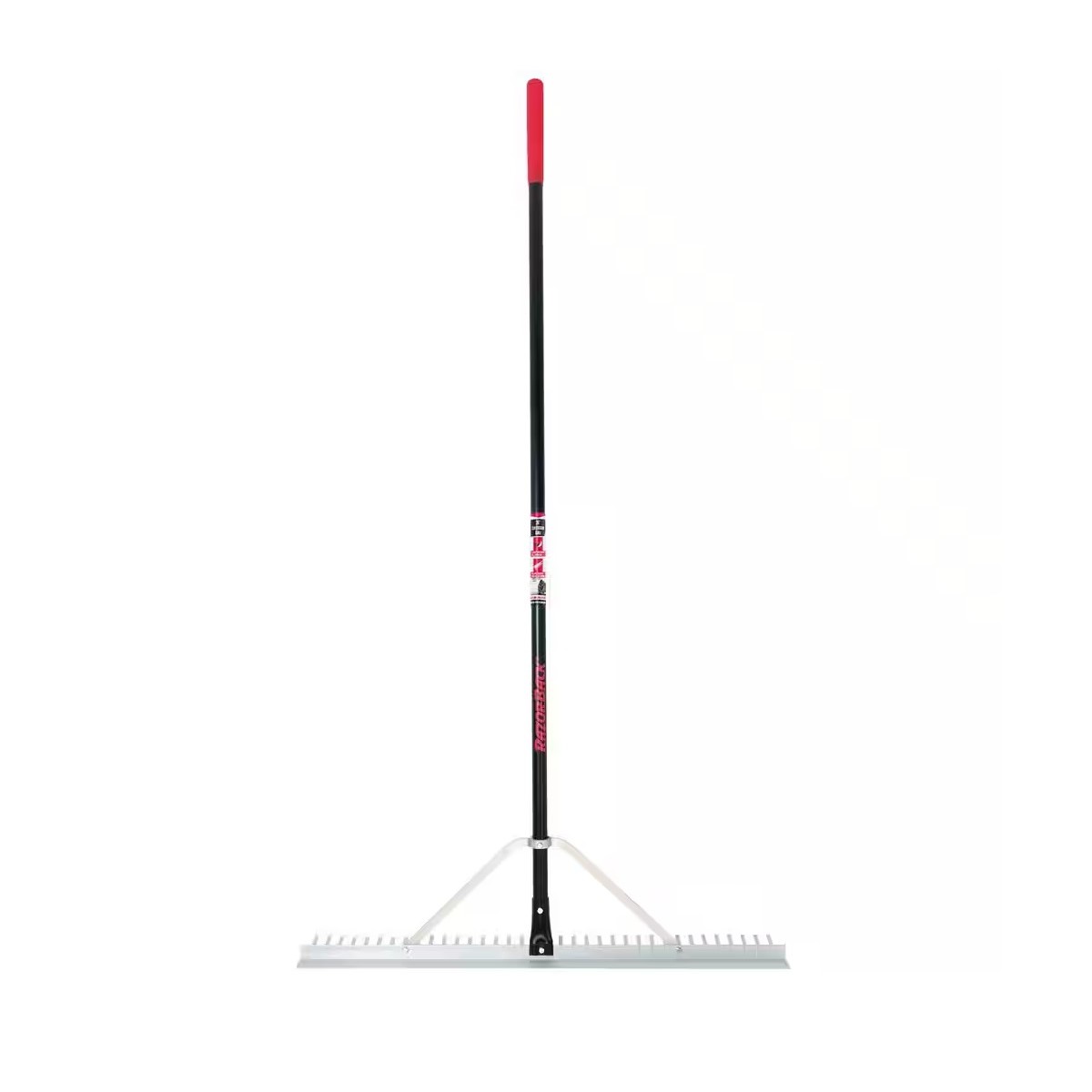
A landscaping rake, also called a landscape rake or grading rake, is designed to level large areas of soil, gravel, or sand and create smooth, even surfaces. It’s commonly used for new lawn installations, hardscaping projects, and final grading.
Landscape rakes feature a wide aluminum or steel head, often between 30 and 38 inches, with rigid tines mounted perpendicular to a long handle. The wide working width covers large areas efficiently while creating a consistent grade. Aluminum heads are especially popular because they’re lightweight yet durable enough for demanding landscaping work.
Unlike garden or bow rakes, landscaping rakes aren’t intended for digging or breaking apart compacted soil. Instead, they excel at smoothing surfaces, spreading material evenly, and removing rocks or debris before seeding or laying sod.
Best For: Moving piles of dirt, gravel, and soil and creating level grades
Our Recommendation: Razor-Back Aluminum Landscape Rake at The Home Depot for $69.98
Between its sturdy aluminum head and lightweight handle, the Razor-Back landscape rake is a great choice for heavy-duty work.
9. Stone Rake
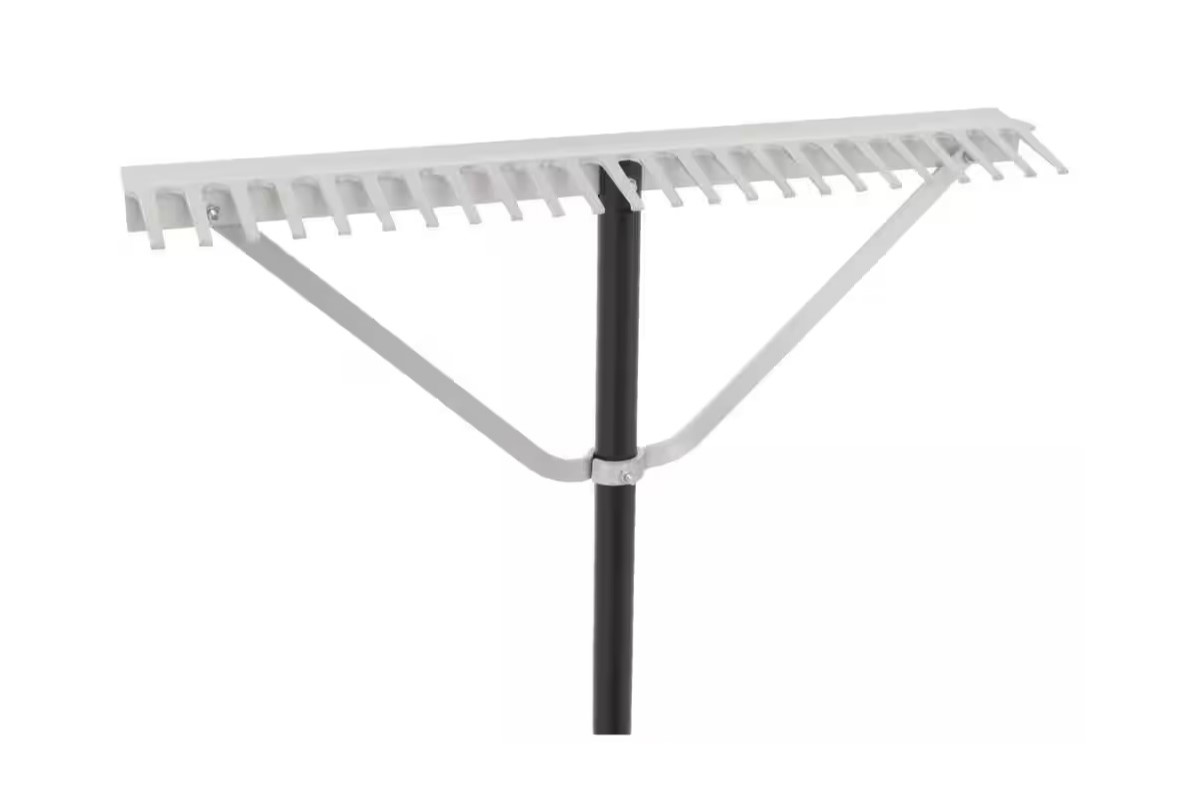
A stone rake, also called a gravel rake, is designed for spreading, leveling, and maintaining gravel, crushed stone, mulch, and other coarse landscaping materials. It’s an excellent tool for maintaining gravel driveways, pathways, and decorative rock beds.
Stone rakes look like landscaping rakes but typically have narrower heads, between 18 and 28 inches wide, for better control when moving heavy materials. They have rigid aluminum or steel tines attached to a long fiberglass or aluminum handle, making them strong enough to pull or push gravel without bending while remaining lightweight enough for extended use.
Although they’re built for stone and gravel, these rakes are also useful for spreading mulch, leveling sand, and smoothing loose soil. Their rigid tines aren’t intended for collecting leaves or working around delicate plants, but they’re great when you need precision grading or leveling.
Best For: Leveling stones, gravel, and pebbles but also dirt and sand
Our Recommendation: Razor-Back 24-inch Aluminum Rake at The Home Depot for $76.03
The Razor-Back 24-inch aluminum rake has a lightweight aluminum head to prevent adding extra weight when moving heavy objects.
Specialty Rakes
1. Berry Rake
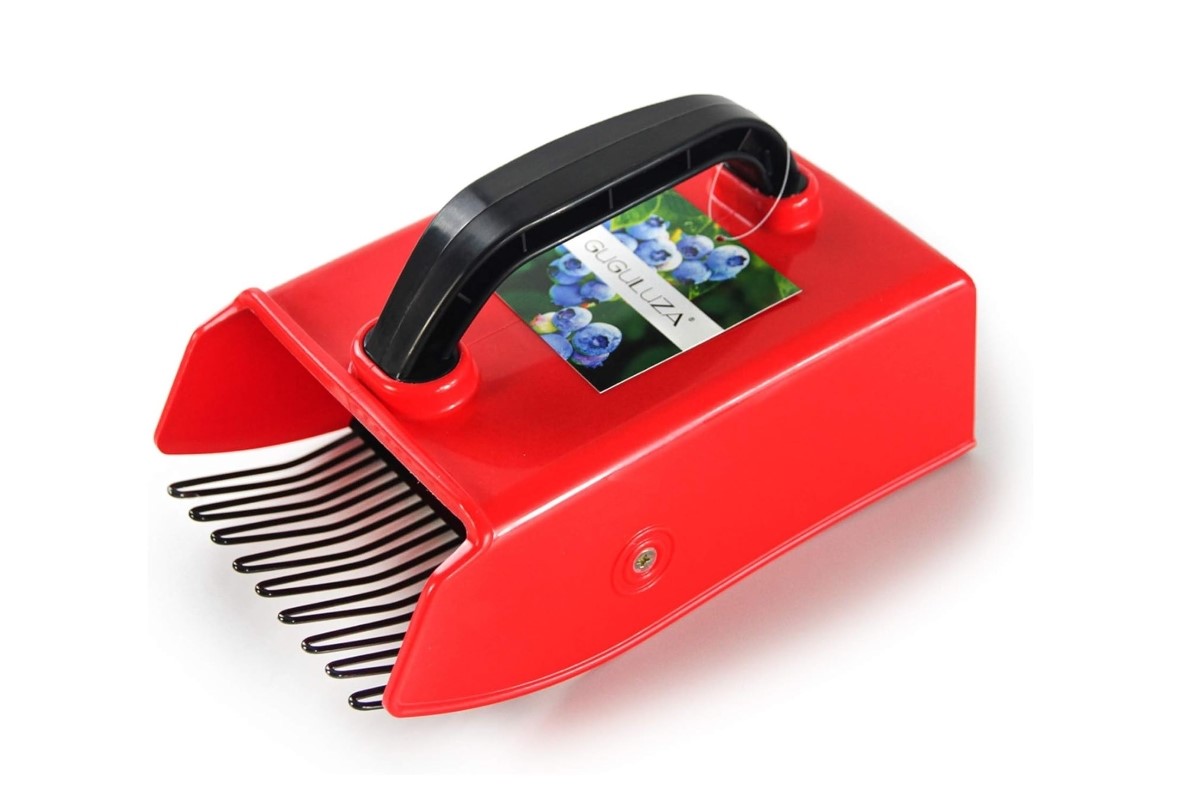
A berry rake, also called a berry picker, is a handheld harvesting tool that quickly removes ripe berries from bushes while minimizing damage to the fruit. It’s commonly used for blueberries, lingonberries, huckleberries, and similar small berries.
Berry rakes feature rows of closely spaced tines that slide through berry clusters, gently separating ripe fruit from the stems while leaving most leaves and branches behind. Many models include an attached collection bin, allowing you to harvest and store berries in one motion.
While a berry rake can dramatically speed up harvesting, it’s best suited for wild or established berry patches rather than delicate garden plants. Choosing a model with smooth, rounded tines can help reduce bruising and improve fruit quality.
Best For: Removing berries from bushes quickly without damaging them
Our Recommendation: Guguluza Berry Picker at Amazon for $12.99
The Guguluza Berry Picker features an ergonomic design that’s easy to clean and carefully removes berries without squishing them.
2. Roof Rake
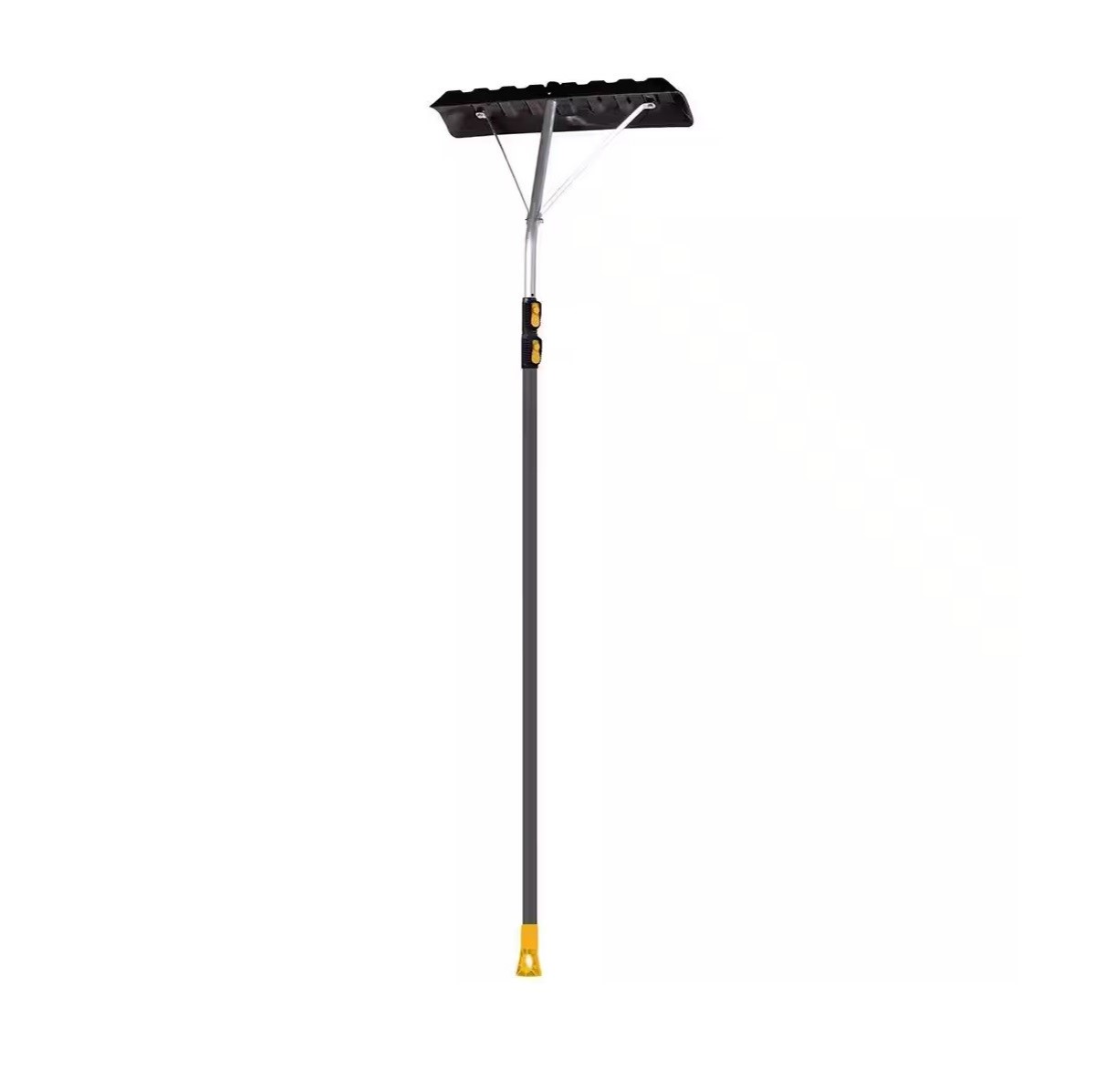
A roof rake, also called a snow roof rake, is designed to remove accumulated snow from rooftops before excessive weight or ice dams become a problem. It allows you to clear snow safely while standing on the ground.
Unlike traditional rakes, roof rakes have a wide blade or lightweight head mounted to an extra-long extendable handle, often reaching 20 feet or more. Most are made from lightweight aluminum to reduce fatigue while lifting the tool overhead.
Roof rakes are intended for removing fresh snow rather than scraping ice from shingles, which can damage roofing materials. They’re especially useful in regions that experience frequent heavy snowfall.
Best For: Removing snow from rooftops and overhangs
Our Recommendation: True Temper Snow Rake at The Home Depot for $77.48
The True Temper Roof Rake features a maximum reach of 17 feet, allowing users to remove snow from overhangs and roofs before ice dams form.
3. Lake Rake
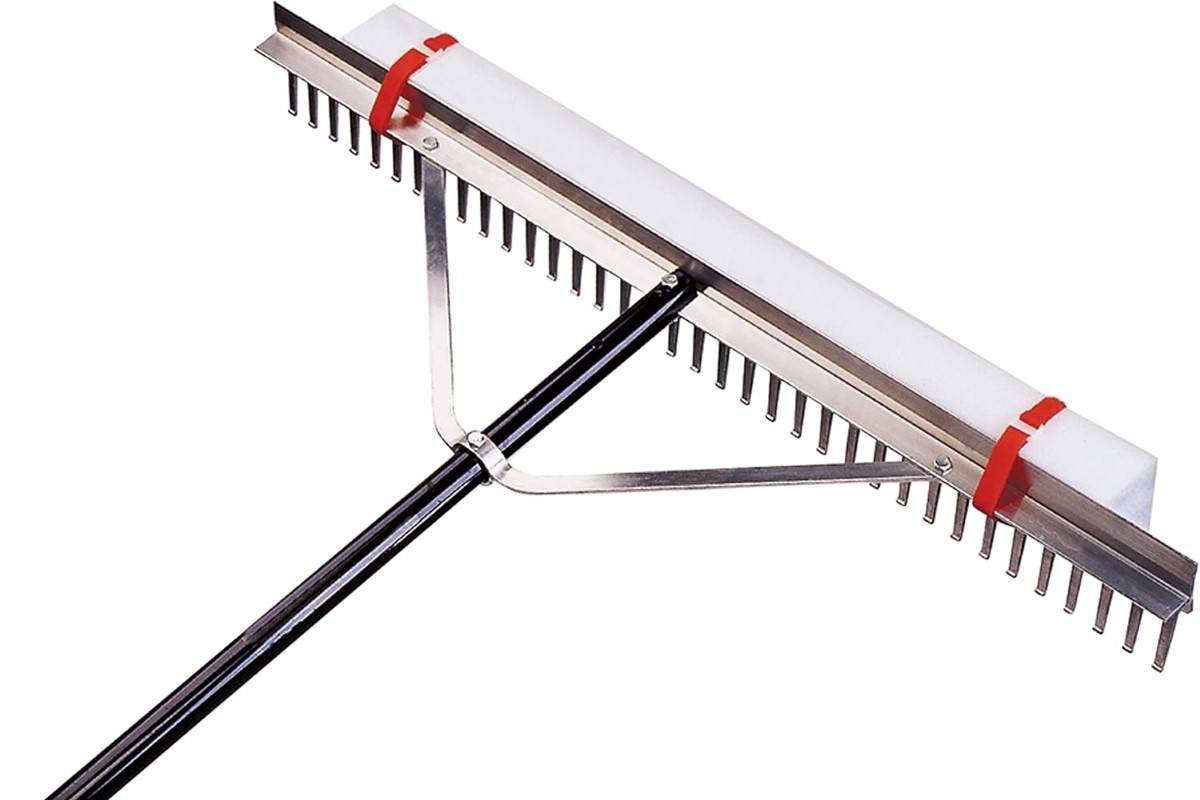
A lake rake is designed to remove weeds, algae, leaves, and other debris from ponds, lakes, and waterfronts. It’s a valuable tool for maintaining swimming areas, docks, and shorelines.
Lake rakes look like oversized landscape rakes but have wide aluminum heads and floating attachments that help keep the rake at the water’s surface. Long sectional handles or ropes allow users to reach farther into the water without getting wet.
Most lake rakes are built with corrosion-resistant aluminum to withstand repeated use in wet environments. They’re effective for removing floating vegetation and loose debris but aren’t intended for excavating heavily rooted aquatic plants.
Best For: Removing debris and algae from lakes and ponds
Our Recommendation: Midwest Rake Co. Lake Rake at Amazon for $110.79
The Midwest Rake Company’s Lake Rake features a 36-inch wide head, a polyethylene float, and a two-piece handle for up to 11 feet of reach.
4. Concrete Rake
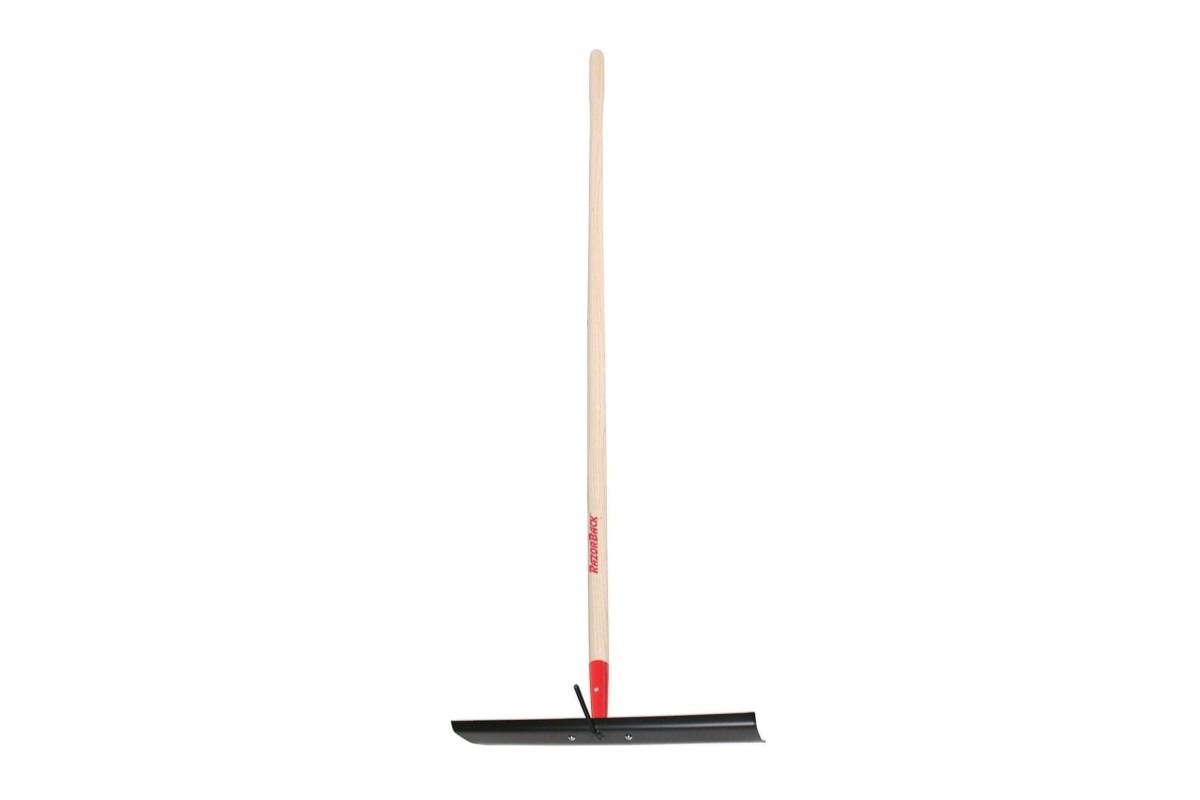
A concrete rake, sometimes called a placer rake, is designed to spread and level freshly poured concrete before finishing. It’s a must-have tool for larger concrete projects, helping distribute wet concrete evenly across forms.
Instead of traditional tines, concrete rakes feature a wide, flat steel head that pushes heavy concrete without digging into the aggregate. Many models also include a built-in rebar hook for lifting reinforcing mesh so concrete can flow underneath.
Concrete rakes are typically fitted with hardwood or fiberglass handles that are long for better reach while pouring slabs, patios, or driveways. Because they’re designed specifically for wet concrete, they have little use for general gardening or landscaping tasks.
Best For: Moving and leveling wet concrete mix while pouring
Our Recommendation: Razor-Back Concrete Rake at Amazon for $50.46
The Razor-Back Concrete Rake features a hardwood handle, a 20-inch steel head, and a rebar hook to make concrete pouring an easier job.
5. Ash Rake
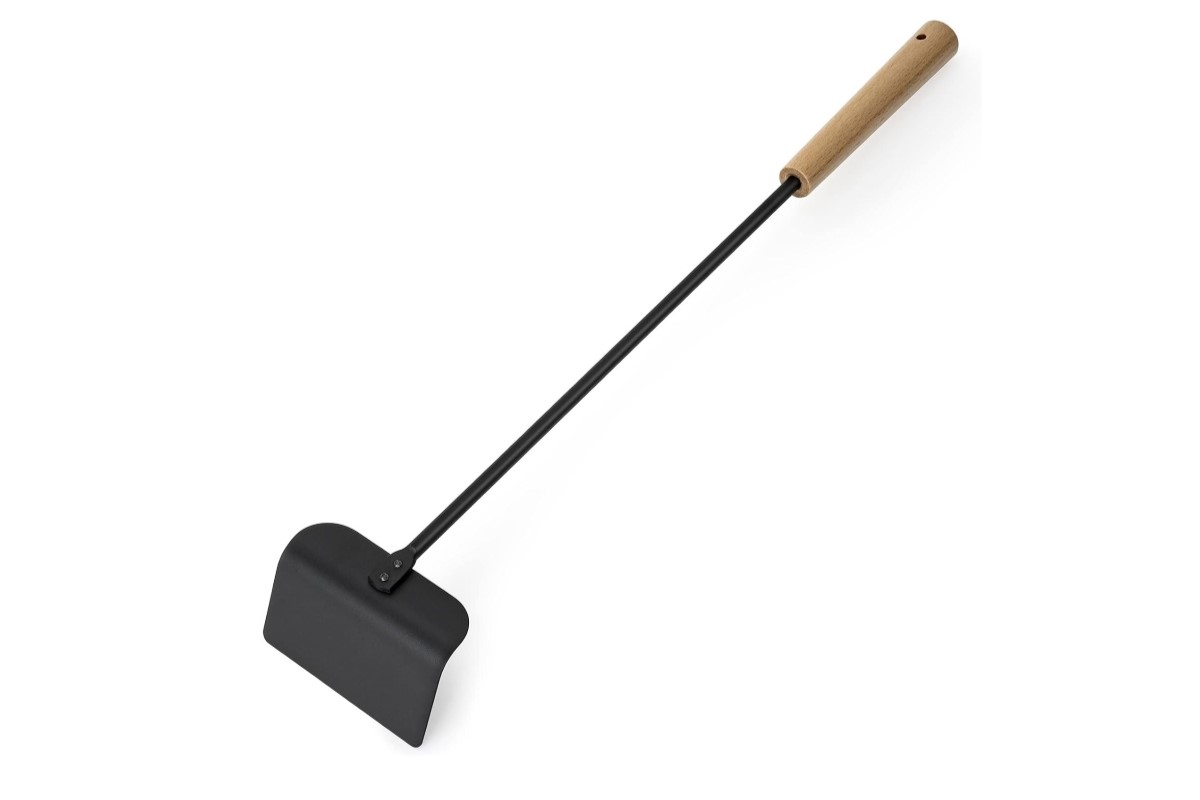
An ash rake is a specialized tool for removing ash and repositioning hot coals inside barbecue grills, smokers, fireplaces, and wood stoves. It helps maintain proper airflow while making cleanup safer and easier.
Unlike traditional rakes, ash rakes typically feature a flat scraper or hooked metal blade instead of tines. The all-metal construction withstands high temperatures, while the extended handle keeps hands farther from the heat.
Because ash buildup can restrict airflow and affect cooking performance, regularly removing ash helps maintain consistent temperatures and more efficient fuel burning. Many ash rakes are compact enough to store alongside grilling tools.
Best For: Removing ash from grills and moving charcoal around as needed
Our Recommendation: Onlyfire Chef Ash Tool at Amazon for $17.99
The Onlyfire Chef Ash Tools features all-metal construction (aside from the wooden handle) and can remove ash and move charcoal while keeping the user’s hand 21 inches from the heat.
6. Zen Garden Rake
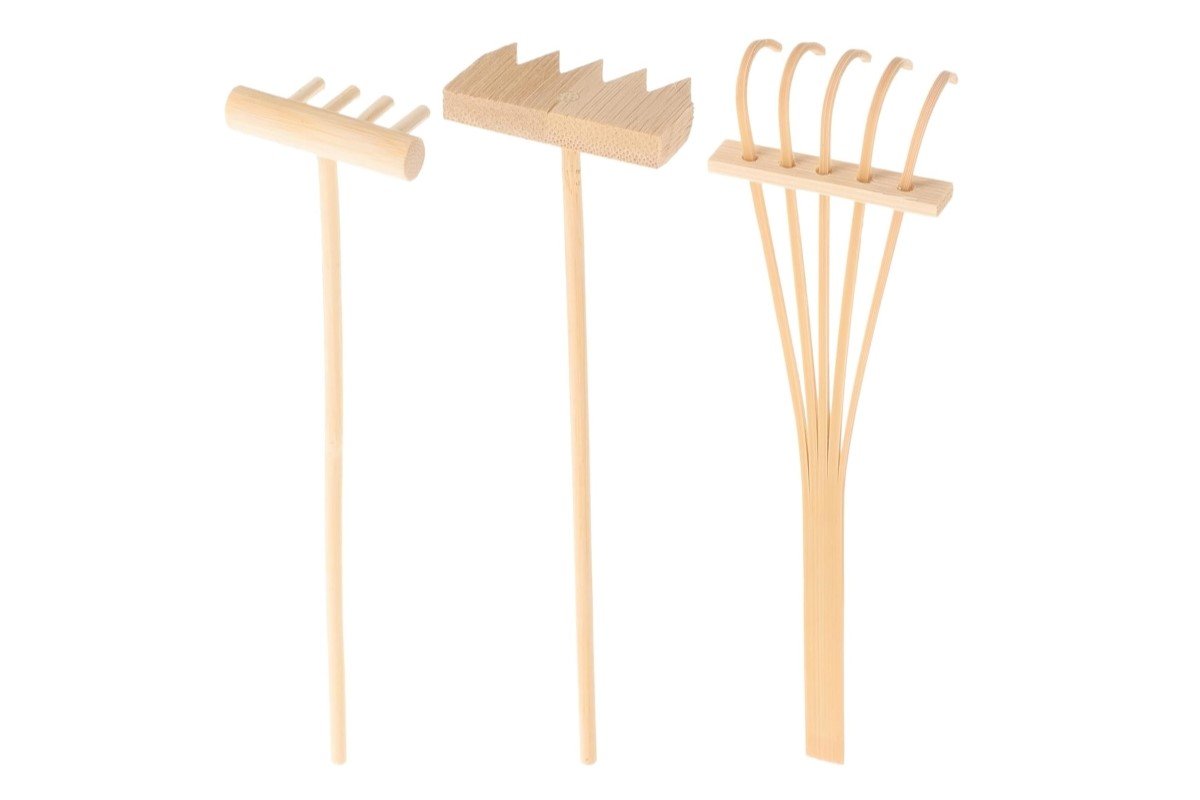
A Zen garden rake is a small decorative rake used to create patterns in sand or gravel as part of traditional Japanese Zen gardens. While it isn’t a landscaping tool, it’s commonly used for mindfulness, relaxation, and desktop décor.
Zen garden rakes are typically made from bamboo or wood and come in a variety of tine shapes that create different line patterns. Full-size versions are used in outdoor Zen gardens, while miniature rakes are often paired with tabletop sand gardens.
Whether used for meditation or decoration, these rakes allow users to create intricate designs that can be smoothed and recreated repeatedly, making them both functional and calming.
Best For: Raking relaxing patterns into miniature or full-size zen gardens
Our Recommendation: Supvox 3-piece mini rake set at Amazon for $6.99
Made of bamboo, these three rakes create variously shaped lines in zen garden sand. Each is about 5.5 inches long.
7. Fire Rake
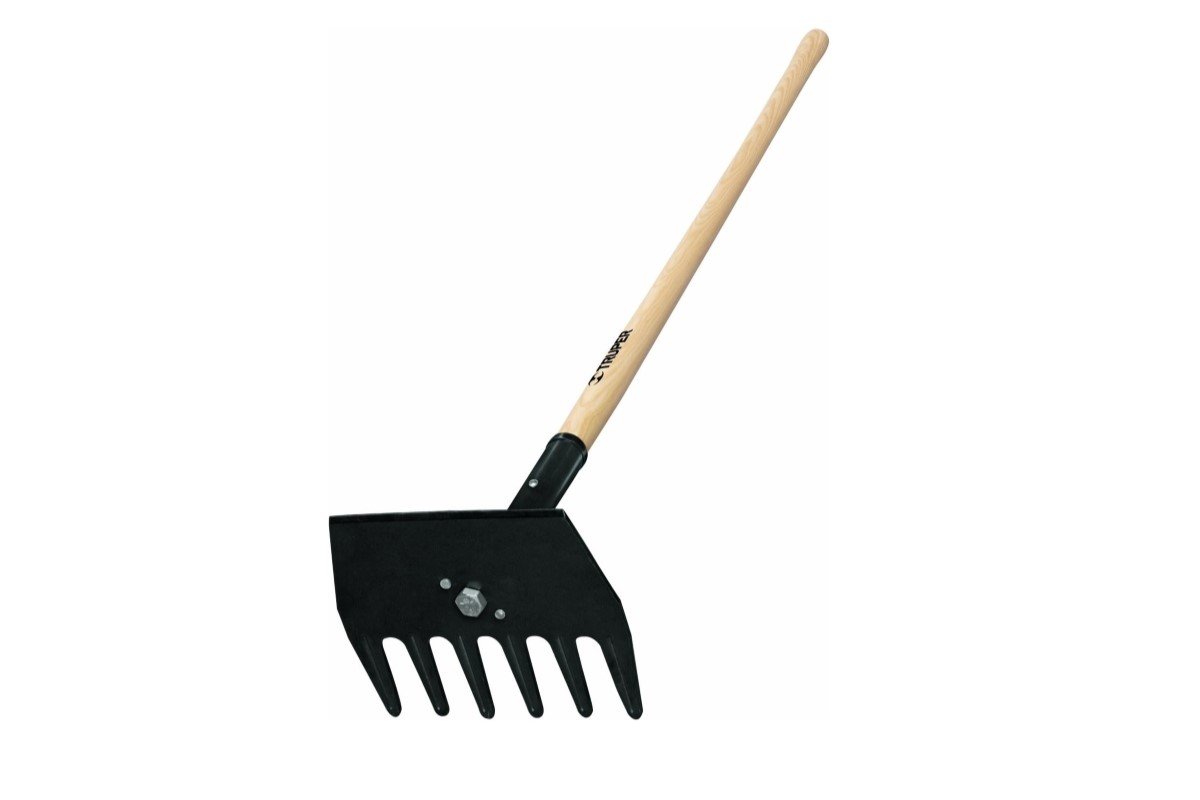
A fire rake, also known as a wildland fire rake or fireline rake, is used by firefighters to clear vegetation and create firebreaks that help slow or stop the spread of wildfires. It’s a specialized tool designed for demanding outdoor conditions.
Fire rakes feature heavy-duty steel tines that quickly pull away leaves, brush, and other combustible material to expose bare soil. Many models combine a rake on one side with a hoe or mattock on the other, allowing crews to rake, chop, and dig using a single tool.
Although fire rakes have limited use for homeowners, they’re an essential piece of equipment for forestry crews, park services, and wildland firefighting teams working in brush and wooded areas.
Best For: Creating firebreaks to prevent the spread of wildfires
Our Recommendation: Truper 33033 Tru Pro Forest Service Tool at Amazon for $104.76
The Truper Forest Service Tool features a heavy-duty metal head with a hardwood handle, and it assembles and disassembles easily for compact storage.
8. Hay Rake
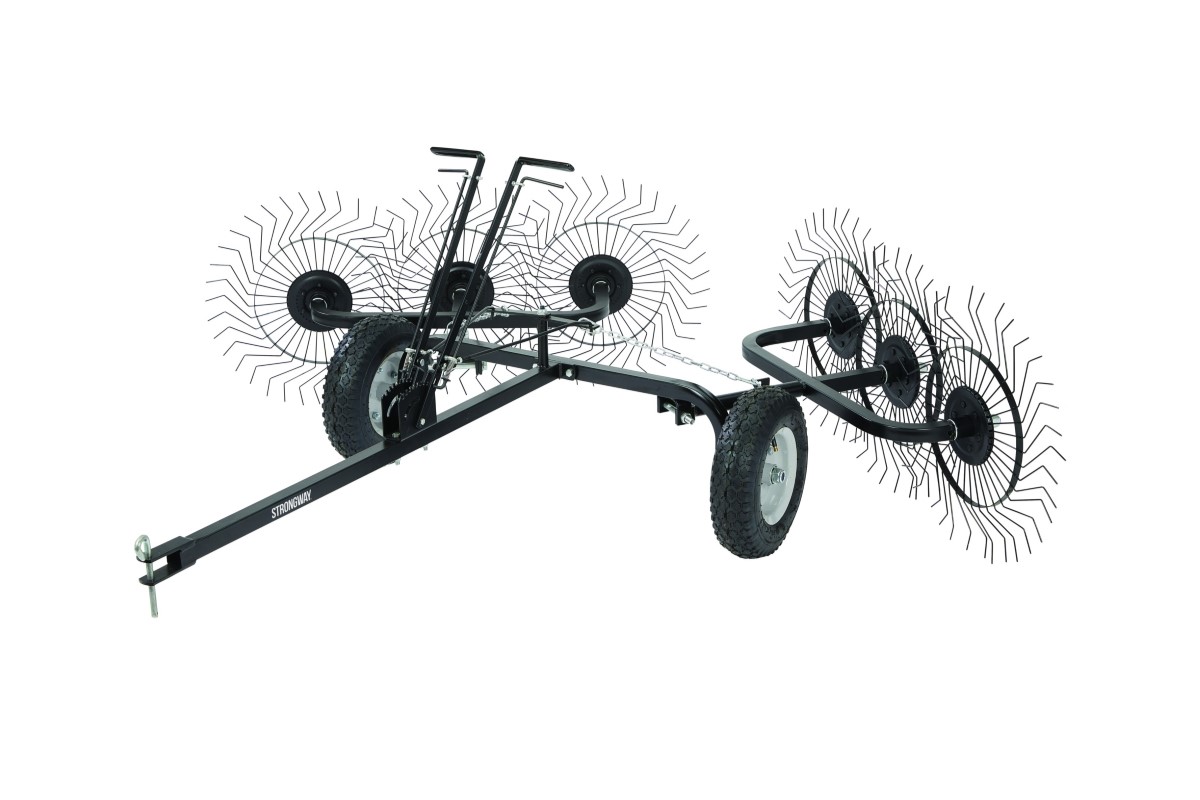
A hay rake is a large agricultural rake used to gather cut hay or straw into neat rows, known as windrows, before baling. While it’s not a tool most homeowners will need, it’s an essential piece of equipment for farmers and anyone managing hay fields.
Unlike handheld garden rakes, hay rakes are pulled behind a tractor or ATV and use rotating wheels or reel-style tines to gently lift and move hay without picking up excessive dirt or damaging the crop. Modern hay rakes are available in several designs, including wheel rakes, rotary rakes, and parallel-bar rakes, each suited to different field conditions and harvesting methods.
Because hay rakes are designed specifically for agricultural use, they aren’t practical for lawn or landscaping tasks. However, they’re invaluable for improving hay quality, speeding up drying time, and preparing consistent windrows for efficient baling.
Best For: Gathering cut hay and straw into windrows before baling.
Our Recommendation: Strongway Acreage Rake at Northern Tool for $349.99
The 60-inch hay rake from Strongway has independently moving left and right arms that are forgiving over uneven terrain.
Final Thoughts
Rakes come in many sizes and shapes, and their primary function is to help gather or spread out material. Most DIY landscapers and gardeners can get by with just a few different types of rakes. For those tackling special projects, such as clearing moss from a pond or picking berries, there’s often a rake out there to help.
FAQ
Most rakes have three main parts: the handle, the head, and the tines. The handle provides leverage and control, the head connects the handle to the working end, and the tines gather, spread, or level material. Depending on the type of rake, the tines may be flexible plastic, rigid steel, aluminum, or bamboo and are designed for different tasks.
For most homeowners, the three most useful rakes are a leaf rake, a bow rake, and a hand rake. A leaf rake is ideal for collecting leaves and grass clippings, a bow rake handles heavier jobs like leveling soil and spreading mulch or gravel, and a hand rake is perfect for working in flower beds, vegetable gardens, and other tight spaces.
A leaf rake with flexible plastic or bamboo tines is the best choice for cleaning a lawn without damaging the grass. The flexible tines glide over the turf to collect leaves and light debris without digging into the soil or pulling up healthy grass, making them a better option than rigid metal garden or bow rakes for routine lawn care.
Prices listed here are accurate as of July 13, 2026.
The post 17 Types of Rakes and Their Uses appeared first on Bob Vila.