
We may earn revenue from the products available on this page and participate in affiliate programs. Learn More ›
Sleek, durable, and timelessly stylish stainless steel sinks remain one of the most popular choices for modern home kitchens. People love them for their heat resistance, easy-to-clean nature, and versatile look that complements almost any décor style. However, as sturdy as this material may be, it isn’t completely invincible against everyday wear and tear. Routine habits can strip away the metal’s natural protective layer, leading to dullness, scratches, and even rust. To keep stainless steel sinks looking brand-new, cleaning professionals warn against the following three common cleaning mistakes and explain what to do instead.
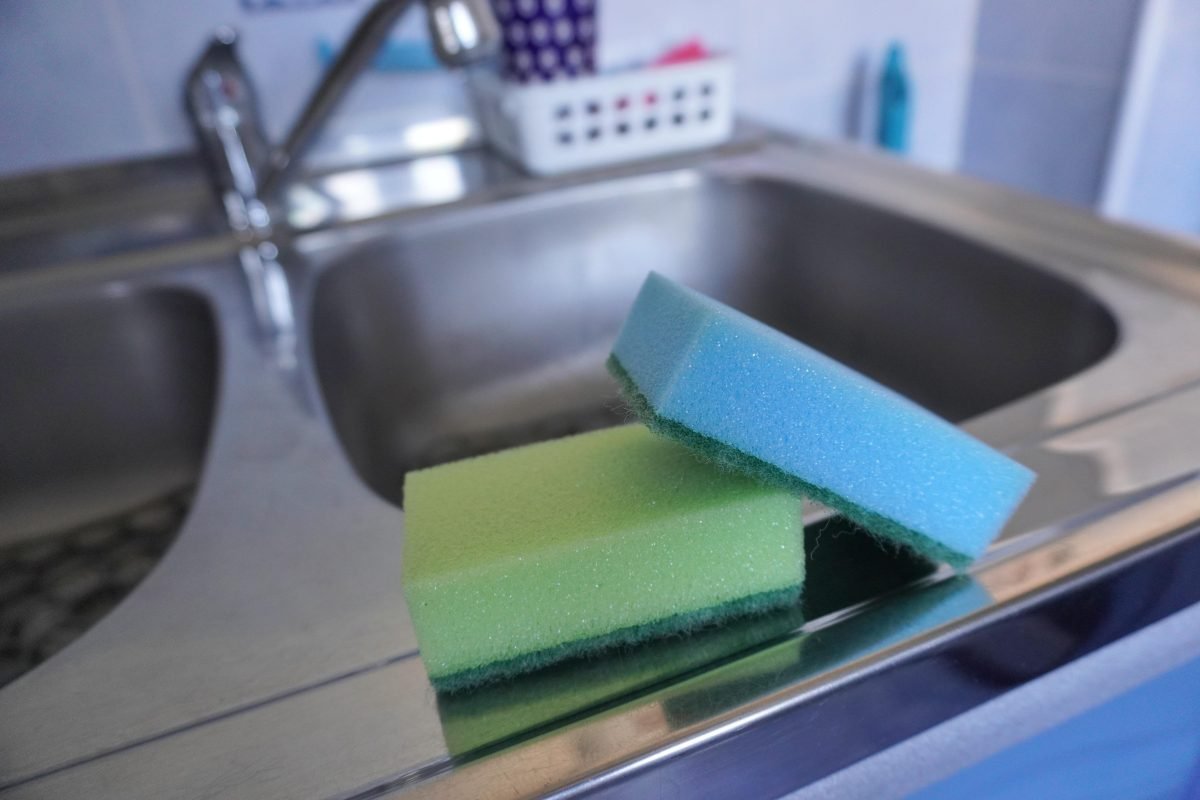
1. Using abrasive cleaners and scouring pads.
Steel wool, scouring pads, and powdered cleansers like Comet or Ajax scratch the protective chromium oxide layer on the surface of the sink, says Dima Orlov of Dima Apartment Cleaning Service Long Island City in New York. Her crews work in hundreds of kitchens, and one of the most common problems they see is damage to stainless steel sinks caused by cleaning habits that seem harmless but aren’t. “Once that layer is compromised, the metal underneath is exposed and far more vulnerable to rust, pitting, and discoloration,” she explains. “Those scratches also become traps for food particles and bacteria, making the sink harder to keep clean over time.”
To avoid this, Orlov recommends using non-abrasive sponges, microfiber cloths, or soft-bristle brushes to clean your sink. “For stuck-on food, let warm soapy water sit for a few minutes rather than scrubbing harder. If you need something more aggressive, use a nylon-backed sponge, but never steel wool.”
2. Leaving acidic or salty foods and harsh chemicals in the sink.
Acidic foods like vinegar, lemon juice, tomato sauce, wine, coffee grounds, and salty leftovers are corrosive to stainless steel, warns Orlov. “Leaving them to sit—even overnight—can etch the surface and leave dark spots or pitting that no amount of polishing will remove,” she explains.
The same goes for bleach and ammonia-based products, which break down the finish over repeated exposure. “This is due to the fact that chlorine destroys the protective passive layer on all stainless steel products,” explains Iryna Balaban, cleaning specialist, CEO, and cofounder of Sunlight Cleaning in New York City.
A better approach is to clean your sink with mild dish soap, warm water, or a mixture of baking soda and water using a soft cloth or sponge to ensure complete removal of any residue from the sink prior to rinsing, says Balaban. Always rinse and dry completely to prevent water spots and corrosion. In addition, Orlov suggests rinsing acidic and salty residue out immediately rather than letting it sit.
3. Letting water or cooking tools sit in the sink.
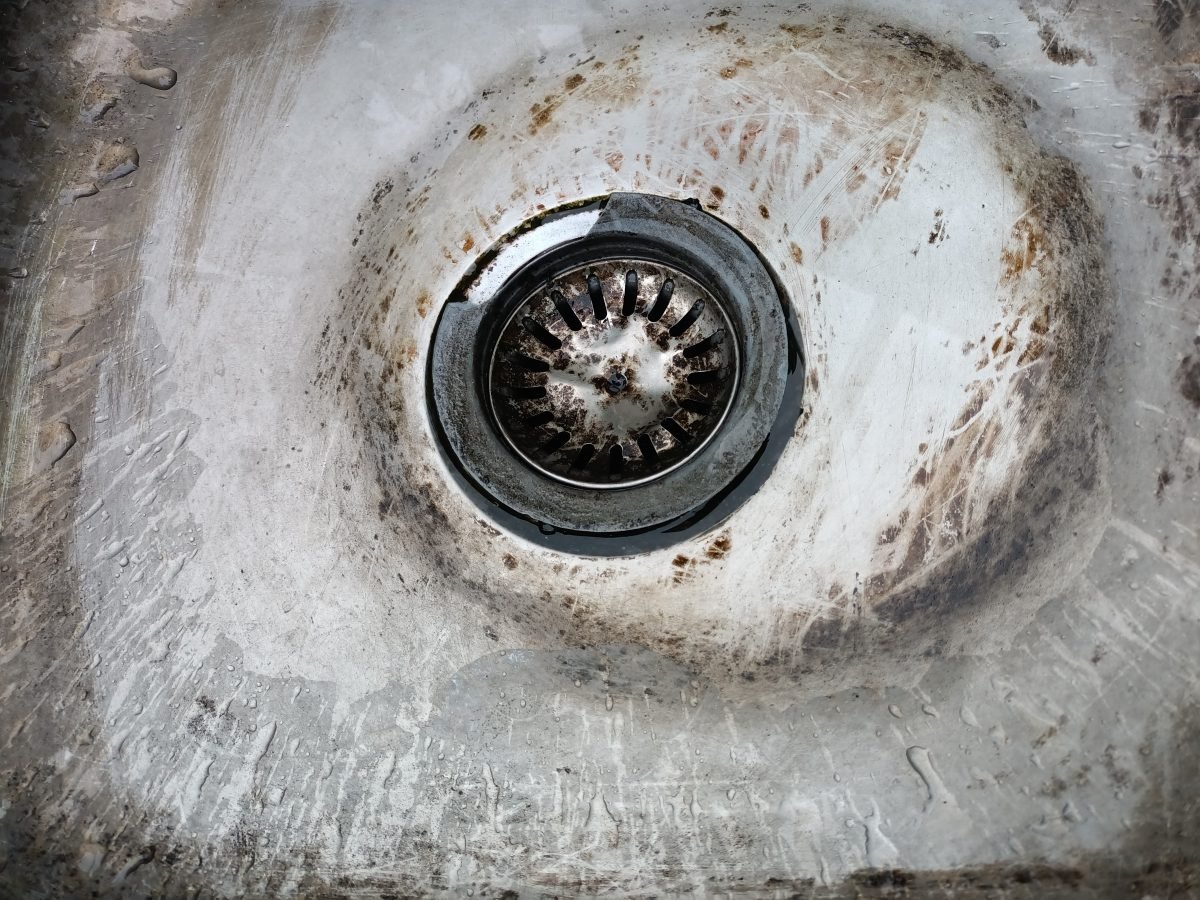
Standing water, especially hard water, leaves mineral deposits that build into white spots and eventually a dull, chalky film across the basin, says Orlov. “Left long enough, trapped moisture in the corners and around the drain can lead to rust rings and pitting,” she explains.
“Also, when you leave damp cast iron or metal utensils in the sink, you can be left with the problem of hard orange rust residue and also have the potential for galvanic corrosion to develop as the two differing metals come into contact and start to chemically react,” adds Balaban. Damp sponges, soap, and dish rags left in the sink can create the same problem, plus bacterial growth and odors.
“Prevent these problems by drying all your cookware immediately after cleaning them, and never allow wet metal to stay on the stainless steel surface overnight,” says Balaban. Also, rinse the sink and wipe it dry with a microfiber cloth after each use, recommends Orlov. Remove sponges, scrubbers, and dish drainers so the bottom can air out. “Clean the sink weekly with a soft cloth and a few drops of mild dish soap, and use a dedicated stainless steel polish monthly to restore shine and add a protective layer,” suggests Orlov.
Orlov offers a bonus tip: “Always clean with the grain of the stainless steel, not against it. Following the direction of the brushed finish hides light marks and prevents cross-grain scratching that shows up badly under light.”
Best Overall Stainless Steel Cleaner
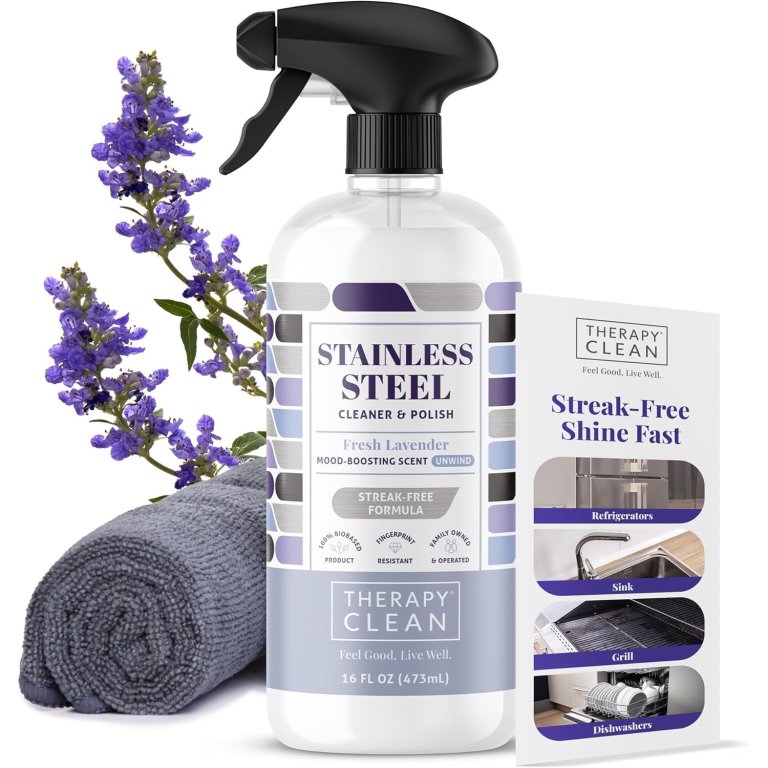
Therapy Stainless Steel Cleaner Kit
Using coconut oil to clean, shine, and protect stainless steel surfaces, this gentle formula was deemed the best in our hands-on testing.
Photo: Amazon
The post 3 Common Cleaning Mistakes That Can Ruin a Stainless Steel Sink appeared first on Bob Vila.