
We may earn revenue from the products available on this page and participate in affiliate programs. Learn More ›
Winter weather can be devastating to outdoor furniture, appliances, and structures, which is why many people store as much as possible in a covered shed or garage throughout the cold season. Even though not everything can be neatly tucked away, such as your deck, walkways, and gates, you can take steps to prepare them for harsh winter conditions before snow starts to fall.
Outdoor winterization projects that involve painting, staining, or sealing help surfaces create a durable barrier against freeze-thaw cycles, moisture intrusion, and corrosive deicing salts. It’s important to complete these protective jobs before the first hard freeze so you can prevent deep structural damage during the winter months.
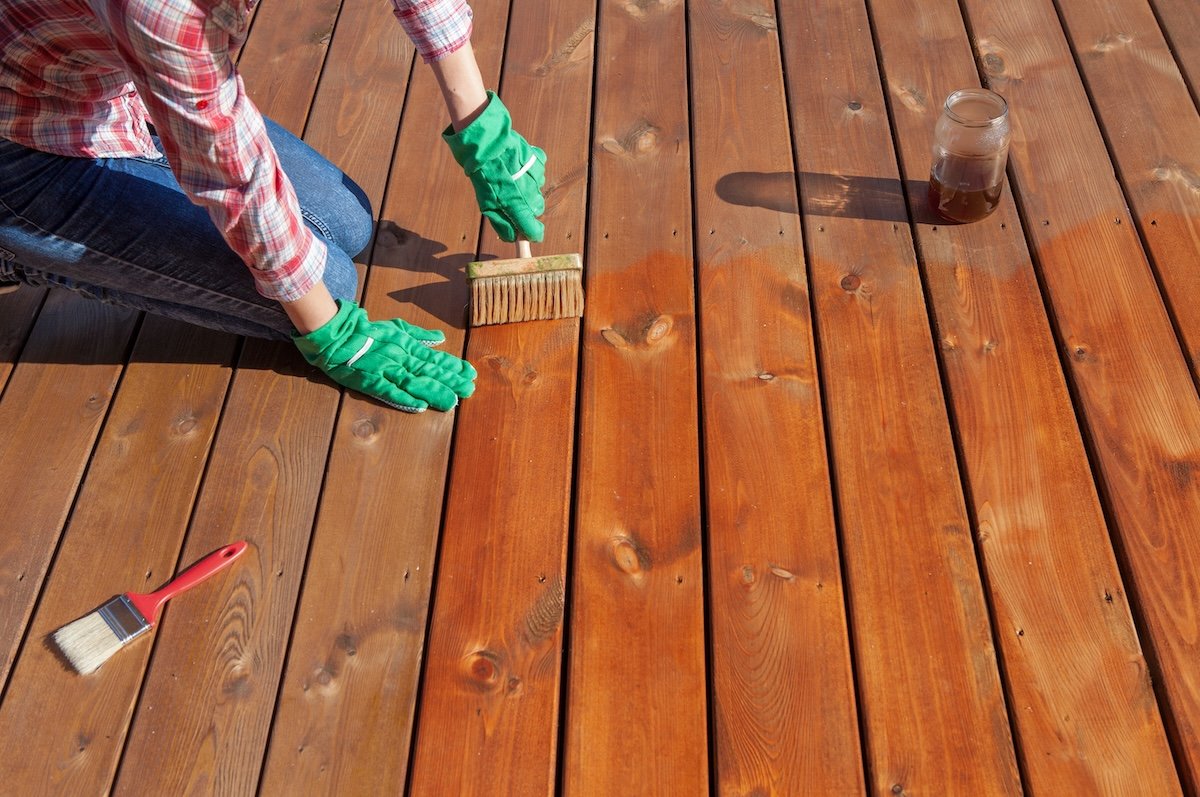
1. Refinish exposed wood on decks, steps, and fences.
Leaving wood decks, fences, or patio furniture bare during winter allows moisture from snow and ice to seep into the wood pores. When trapped water freezes, it expands, causing the wood to split, warp, and rot. A fresh coat of waterproof sealant or oil-based stain acts as a hydrophobic barrier. Water pools on top of the sealed surface rather than penetrating the wood grain.
Before applying a compatible exterior stain or water-repellent finish, clean the surface, remove failing finish, and allow the wood to dry sufficiently. For decking and steps, choose a winterization product specifically approved for horizontal surfaces and foot traffic.
Marc Sharkey, owner of Dynamic Painting Inc, says that “the finish reduces water absorption from rain and melting snow. Repeated wetting and drying can contribute to checking, splitting, and warping; prolonged dampness also creates conditions for decay.
“Pay particular attention to exposed board ends and areas where the old finish has worn away.” He also warns: “A new coating cannot repair rotten wood.” Given that Sharkey’s business is based in Alberta, he has experience dealing with some of the harshest winters in North America.
Best Overall Spray Paint
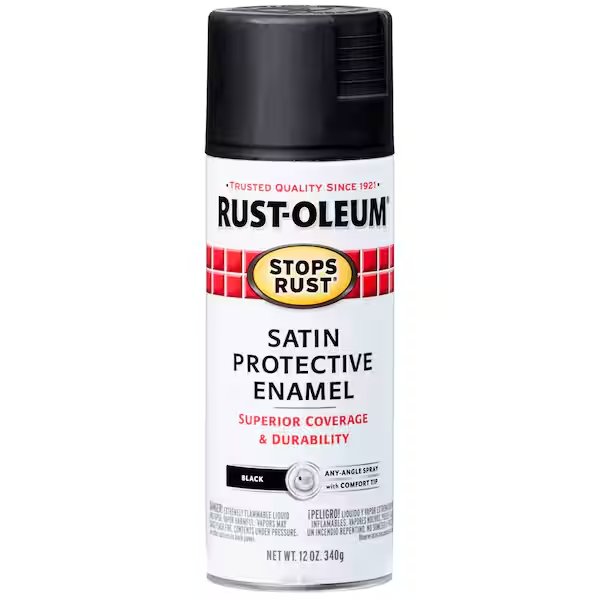
Rust-Oleum Stops Rust Protective Enamel
This oil-based formula provides corrosion resistance and weather protection for outdoor metal surfaces . Learn more in our buyer’s guide.
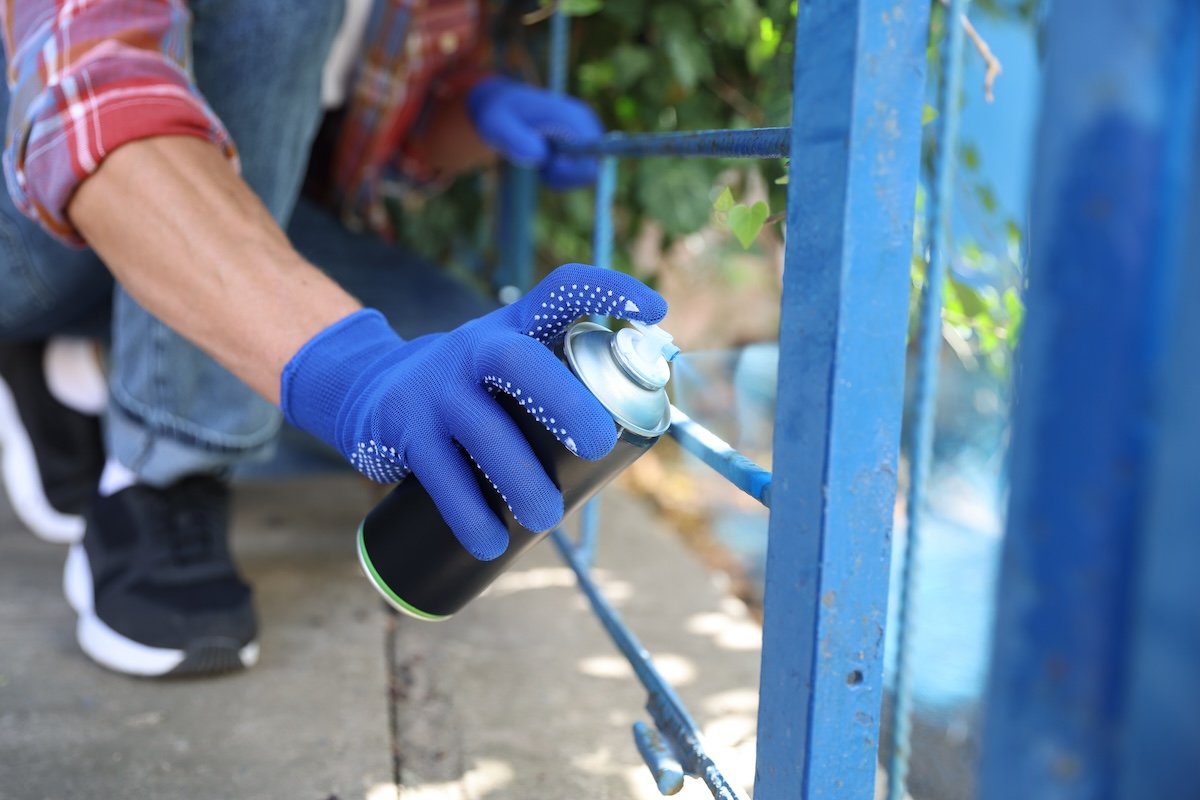
2. Repaint chipped or rusting steel furniture, railings, and gates.
Winter preparation is important to safeguard your home. Chipped paint on steel or iron railings, furniture, and gates exposes the raw metal to oxygen and winter humidity, rapidly accelerating the oxidation process. Road salt or salt-based sidewalk ice melts further expedite this corrosion, eating through the metal structures. Applying a coat of exterior, rust-resistant enamel or oil-based paint seals out moisture and oxygen, halting the chemical reaction that creates rust.
It’s a budget-friendly winterization project that also forms a slick, chemical-resistant barrier against salt splash-back. Before applying a coating, remove loose rust and flaking paint and clean away dirt and salt. Then apply an appropriate rust-inhibiting primer and exterior metal finish. Check compatibility carefully: steel, aluminum, and galvanized metal can require different preparation and primers.
“An intact coating limits exposure to moisture and oxygen, helping slow corrosion. Left exposed, rust can spread beneath surrounding paint, causing more peeling and pitting. Over time, severe corrosion can weaken components. Painting over loose rust does not solve the underlying problem,” explains Sharkey.
3. Apply a penetrating water repellent to exposed concrete.
Moisture from ice and snow can cause significant damage to concrete because it is a highly porous material. When snow melts on walkways, driveways, or patios, the concrete absorbs the water. Subsequent freezing temperatures cause that internal water to expand, which leads to surface flaking, scaling, and deep cracking.
Unlike surface coatings, penetrating sealers chemically bond inside concrete pores. They create an invisible, breathable hydrophobic barrier that prevents liquid water from sinking into the stone, while still allowing internal vapor to escape.
Sharkey notes that “for compatible, absorbent concrete steps, walkways, or patios, a penetrating sealer rated for exterior concrete and freeze-thaw exposure can reduce water absorption. Confirm compatibility with any existing treatment and follow the preparation instructions.”
Reducing water and deicing-salt penetration helps protect against winter deterioration. However, just keep in mind that a sealer is preventive maintenance; it does not repair cracks, failing concrete, or drainage problems.
The post 3 Winterization Projects That Are as Easy as Painting appeared first on Bob Vila.