
We may earn revenue from the products available on this page and participate in affiliate programs. Learn More ›
As autumn arrives and trees turn color and shed their leaves, managing your yard can become a time-consuming chore. While a rake can certainly get the job done, power tools can save significant time and effort when clearing fallen leaves. Leaf blowers and leaf vacuums are two popular options for handling yard debris, though many people assume the vacuum function offers far fewer practical uses throughout the season. Understanding how each tool operates and when it’s best to use them can help you decide whether to blast scattered leaves into convenient piles or suck them up for immediate mulching.
When to Use a Leaf Blower
A leaf blower is a great piece of equipment for cleaning up your yard, whether you’re picking up dead leaves in the fall or grass clippings in the summer, says Chris Ramos, representative from Blain’s Farm & Fleet in Janesville, Wisconsin. “Leaf blowers help with clearing leaves, grass clippings, dust, and light debris, and are useful throughout the year for patios, garages, sidewalks, and seasonal cleanup,” Ramos says. Tom Orr, CEO at Northwest Exteriors in Rancho Cordova, California, in adds that “leaf blowers are most suitable for moving dry leaves in open and spacious outdoor areas.”
Different types of blowers are available based on the fuel they use, including gas-powered, corded electric, and battery-powered cordless blowers. They also come in a range of sizes and weights, such as small, handheld blowers; larger, backpack-style models; and wheeled, walk-behind blowers.
“A leaf blower is best for moving large amounts of debris across a lawn, driveway, or other open area,” says Sara Bendrick, licensed landscape contractor, TV Personality, and STIHL spokesperson. For small- to medium-size residential properties, she recommends a lightweight, low-noise model like the STIHL BGA 50 that can handle routine cleanup. To maintain larger properties, a backpack blower like the STIHL BRA 280 is a smart choice. It holds two onboard batteries so users can work longer without stopping to swap them.
Best Overall Leaf Blower
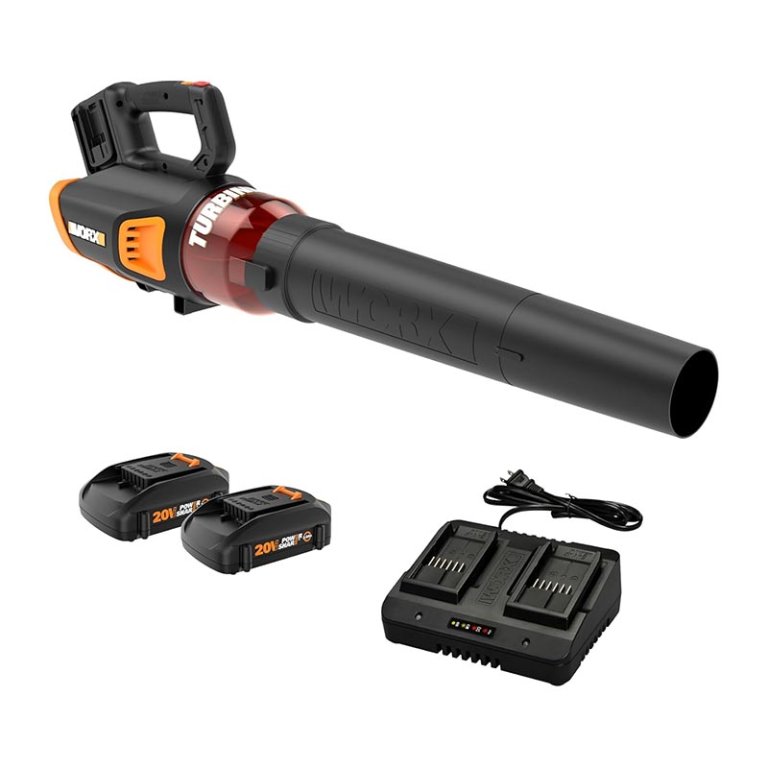
Worx 40V Power Share Turbine Cordless Leaf Blower
According to our testing, this lightweight unit has an impressive motor, variable speeds, and allows for single-handed control.
Photo: Amazon
When to Use a Leaf Vacuum
Leaf vacuums are related to leaf blowers but operate in the opposite direction. They suck up fallen foliage through a tube into a waste bag, operating more like a house vacuum. “A leaf vacuum is useful for collecting smaller piles and cleaning around garden beds, shrubs, and other tight spaces,” explains Bendrick. “Because it shreds leaves as it collects them, it can also reduce their volume for disposal or composting.” Many leaf vacuums also mulch the debris they collect, so you can reuse the material in your garden.
Leaf vacuums are available in electric- and gas-powered versions, with electric models considered quieter, easier to maintain, and typically less expensive. Additionally, handheld leaf vacuums tend to be the smallest and least powerful options, while backpack leaf vacuums have large collection bags. Finally, walk-behind options resembling lawn mowers. Handheld leaf vacuums work best for small yards and fewer leaves. Once the fallen dry or wet leaves start piling up, a backpack or an electric model will offer longer running times and more capacity. Gas models also work well for large yards, though they are heavier and require more maintenance.
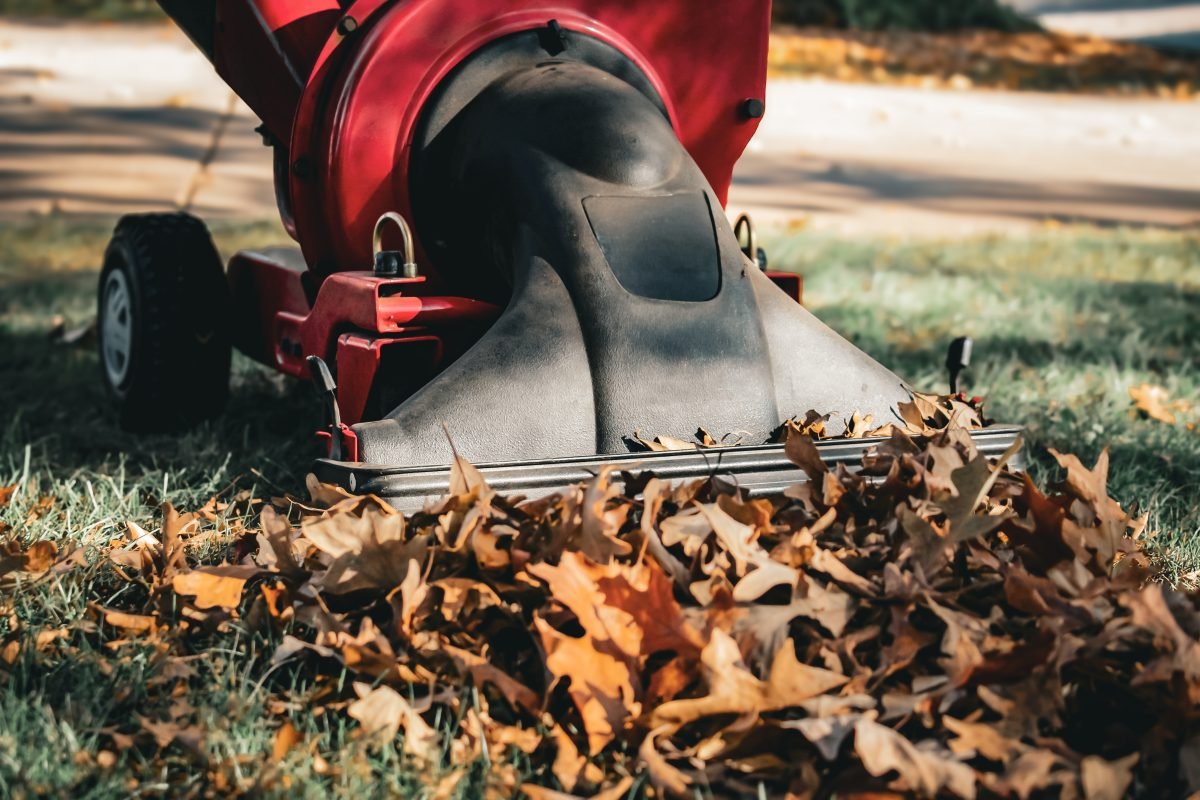
Like handheld lawn vacuums, walk-behind vacuums are also typically meant to pick up only grass and other lightweight materials, says Ramos. “You can easily bag up those browning lawn clippings with a walk-behind lawn vacuum, and you can even use those grass clippings as part of your compost pile for your garden.” He recommends this option to people who prefer pushing their vacuum to carrying it, as well as those with larger yards.
Best Bang for the Buck Combo Unit
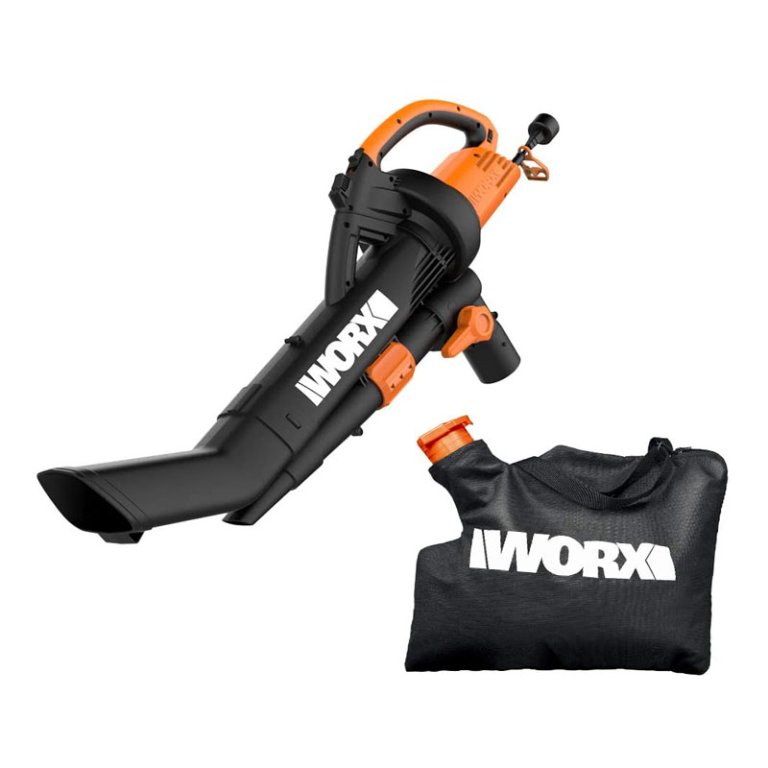
Worx WG509 Trivac 2 Leaf Vacuum With Mulching System
This tool offers convenience at a budget-friendly price. Our testers appreciate that you can change between three modes with the flip of a switch.
Photo: Amazon
Combination Units
Some handheld leaf blowers have a two-in-one feature that allows you to use them as a leaf blower or a leaf vacuum. “They can only pick up lighter debris, such as grass and weed clippings,” notes Ramos. “The vacuum allows you to suck up small debris around the yard, and then the mulching feature grinds it up for future landscaping projects in your yard.”
However, recognize that vacuums and combination units might not work for wet debris. If you’re trying to clean your gutters, you might wonder whether you can use a leaf vacuum to remove wet leaves. “A leaf vacuum generally shouldn’t be used as a substitute for wet/dry vacuums because the tools are designed to handle different types of material,” explains Bendrick. “Leaf vacuums are intended for leaves and lightweight outdoor debris, while wet/dry vacuums are built to collect liquids and saturated material.”
Since wet leaves can become heavy and compact, they can potentially clog a leaf vacuum’s intake tube, shredding mechanism, or collection bag. “They may also damage the tool,” warns Bendrick. “Unless the manufacturer specifically states that a leaf vacuum can handle wet material, it’s best to let damp leaves dry before collecting them and use a wet/dry vacuum for standing water or saturated debris.”
Best Cordless Combo Unit
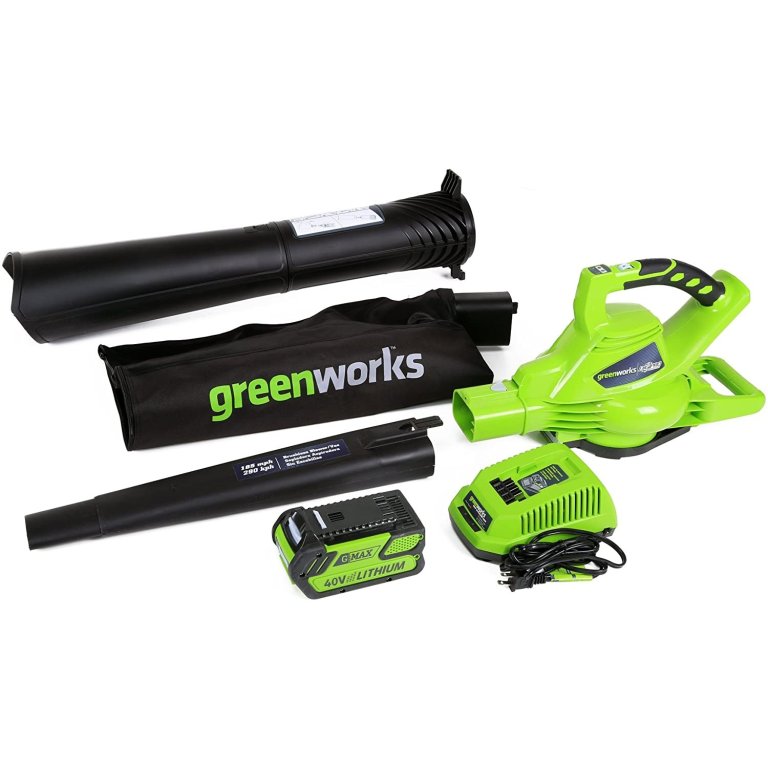
Greenworks 24322 40V Cordless Leaf Blower Vacuum
Our testers say this model has effective suction power that works well on wet leaves and a fairly good runtime per charge.
Photo: amazon.com
Tips for Using Leaf Blowers and Vacuums
Bendrick offers the following guidelines when using leaf blowers and leaf vacuums:
- Always follow the manufacturer’s instructions and wear the recommended personal protective equipment, including eye and hearing protection, sturdy footwear, and long pants.
- When using a leaf blower, work with the wind and move leaves toward a central collection point. This helps prevent debris from blowing back into areas you’ve already cleared.
- When using a leaf vacuum, collect dry leaves in manageable amounts and avoid sticks, stones, and other hard debris that could cause damage or blockages.
- Empty and inspect the collection bag of your leaf vacuum regularly to maintain suction and keep the tool manageable. After use, clean the intake, impeller area, and bag according to the manufacturer’s instructions.
- For an efficient cleanup, start by using a blower to gather widespread leaves into manageable piles, and then switch to a vacuum shredder to collect and reduce the material.
The post Leaf Blower vs. Leaf Vacuum: The Right Time to Use Each appeared first on Bob Vila.