
We may earn revenue from the products available on this page and participate in affiliate programs. Learn More ›
As the season shifts from spring to summer, it’s time to start preparing for the strong sun and scorching heat. Instead of waiting for the temperatures to skyrocket, proactive homeowners are racing to complete smart, fast exterior upgrades that mitigate heat gain, such as incorporating heat-resistant building materials and energy-efficient landscaping.
Many make the mistake of relying solely on artificial cooling indoors, lowering thermostat settings instead of addressing the root causes of heat gain, says Drew Poskon, chief operating officer at Southern Home Services in Maitland, Florida. “Continuously lowering the thermostat won’t solve insulation, airflow, or ventilation issues and can put unnecessary stress on the HVAC system,” Poskon explains. “It’s usually more effective to improve the home’s overall efficiency first.”
By tackling a few high-impact exterior projects before the next major heat wave strikes, you can give your AC a much-needed break and keep your living space comfortably cool all summer long. Here are three small exterior projects you can complete fairly quickly to help mitigate heat around your home this summer.
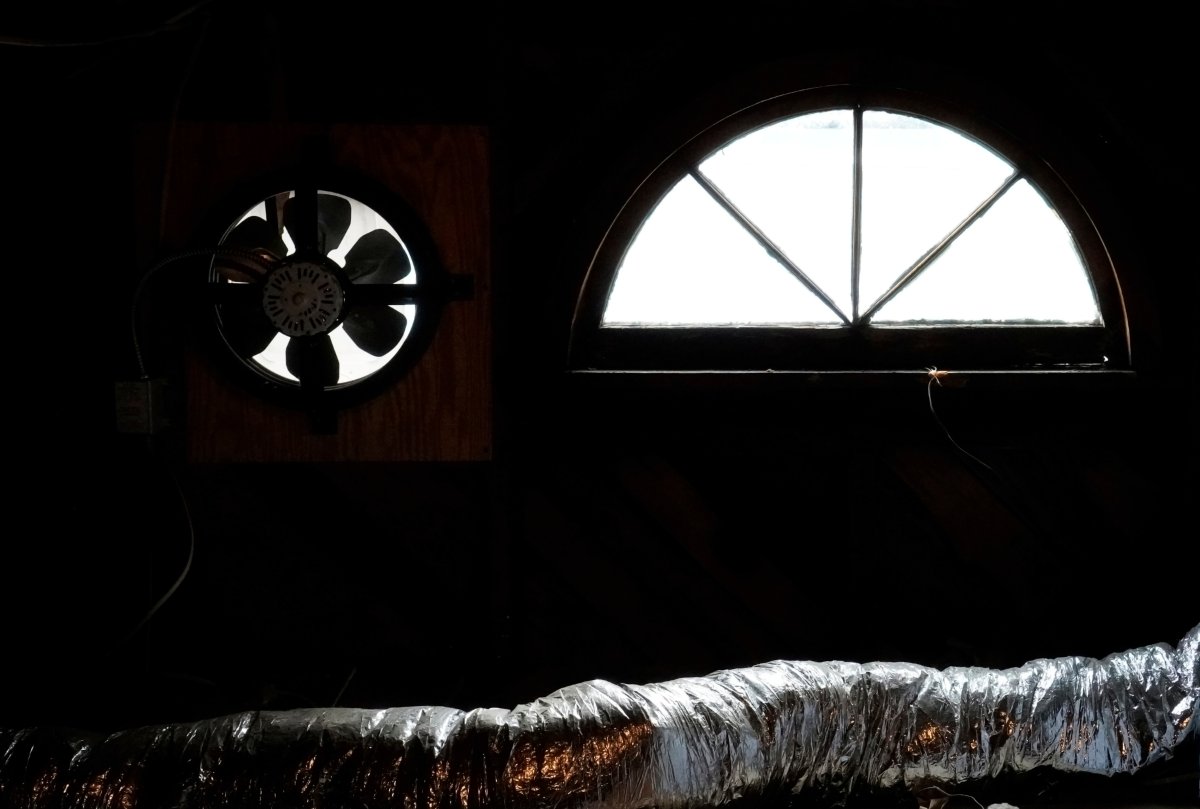
1. Improve attic ventilation.
Proper attic ventilation is one of the most overlooked ways homeowners can reduce heat buildup in the summer, says Poskon. “When hot air gets trapped in the attic, it can force the HVAC system to work significantly harder to maintain indoor temperatures, but improving ventilation helps remove that trapped heat, lowers attic temperatures, and can help extend the life of roofing materials and HVAC equipment,” he explains.
If you’re not sure if your attic is properly vented, check the roof and eaves to see if there are vents installed and to make sure the vents aren’t visibly blocked or damaged. Even with attic vents, if the attic ceiling is hot, there is moisture on the rafters, ice dams are forming in the winter, or your cooling bills are increasing, there could be an issue with your attic ventilation system. It’s also important to regularly clean vents to ensure dirt and debris aren’t blocking airflow.
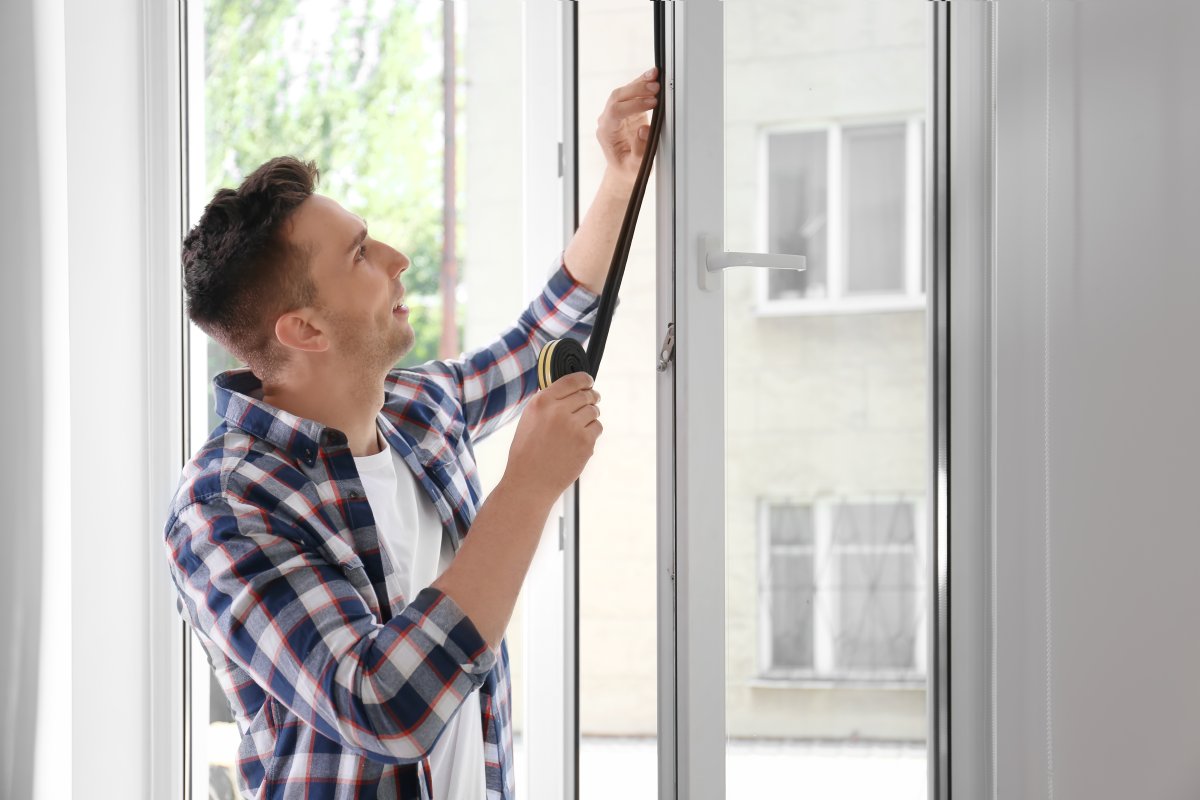
2. Seal air leaks and add insulation.
Effective insulation and air leak prevention are essential measures for a heat-resilient home, helping to reduce heat transfer from the hot outside air into the indoor environment. “Small gaps around doors, windows, attic access points, and ductwork allow conditioned air to escape and hot outdoor air to enter the home,” warns Poskon. “Sealing those leaks and ensuring insulation levels are adequate can make a noticeable difference in comfort and energy usage.” In fact, in many homes, improving insulation is one of the fastest ways to reduce unnecessary strain on the air conditioning system, according to Poskon.
Poskon recommends getting a home energy assessment to fully understand if there are any leaks in your home and where they are located. It’s also helpful to get some guidance regarding the exact type of insulation to use, since there are a variety of heat-resistant materials available.
3. Install shade solutions.
Shade is also an effective way to keep a home cool throughout the hot summer months, and if you don’t get shade from landscaping, try adding a shade structure. “Reducing direct sunlight on windows and exterior walls can help minimize solar heat gain, especially during peak afternoon hours,” says Poskon. “Shade structures can be effective on west-facing portions of the home where heat exposure tends to be highest.”
There are different types of shade structures available to minimize solar radiation and heat penetrating through windows, glass doors, and skylights. You can choose from a wide array of awnings, roof overhangs, canopies, shutters, shade sails, and shade screens that come in a range of fabrics that withstand the elements, reduce glare, and block out ultraviolet rays.
A retractable awning, for example, is a versatile option since it provides shade on sunny days but can tuck away easily during evenings and cloudy or rainy days. It’s also an opportunity to add some color and design to dress up the exterior of your home. Similarly, a shade sail blocks the sun in style. They can be left up year round in moderate climates, but should be taken down in places that experience heavy rainstorms, strong winds, or harsh winters.
The post 3 Exterior Upgrades Homeowners Are Racing to Finish Before the Next Heat Wave appeared first on Bob Vila.