
We may earn revenue from the products available on this page and participate in affiliate programs. Learn More ›
As the weather warms up, homeowners are looking for a seasonal refresh that provides flexibility and function while creating comfort and a sense of calm. The emerging spring home trends of 2026 reflect a collective desire to reclaim our peace, whether that is through outdoor culinary hubs that blur the line between kitchen and patio or “midimalist” interiors that prioritize meaningful curation over clutter.
By embracing these influential trends, you can transform your home into a sanctuary that maximizes every square foot—indoors and out—while boosting both your daily well-being and your property’s long-term value.
1. Greenhouses and Modular Raised Beds
Cultivating greenery at home is becoming more popular, says Mesha Williams, creative director at id Designs & Co. in Tampa, Florida. “More clients request we assist with creating compact greenhouses or modular raised beds,” she explains.
She loves the idea of growing fruit, herbs, and vegetables, not just as a hobby, but as part of a larger lifestyle rooted in wellness and sustainability. “It’s less about novelty and more about reconnecting with what you eat, how you live, and the potential of your own backyard.” To accomplish this, consider adding a wood greenhouse to your yard.
2. Backyards as an Extension of the Home
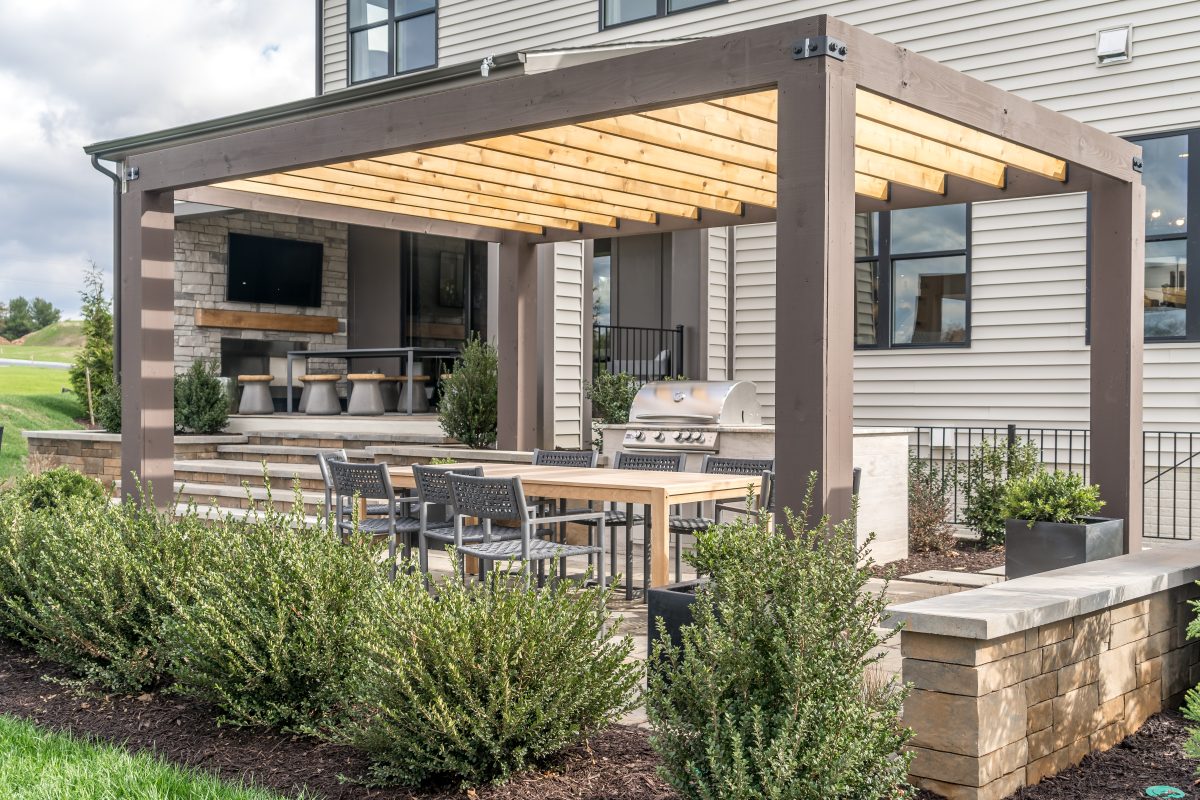
One of the hottest trends this season is blending the interior and exterior of the home. “Spring 2026 is all about turning backyards into spaces that feel as comfortable and functional as any indoor room but with the added joy of fresh air and nature,” says Eric Goranson, an interior designer in Lake Oswego, Oregon, and host of The Around the House Show. He believes that this trend goes beyond style to deliver real ROI by adding usable square footage and turning a home into a private resort. “Homeowners who invest thoughtfully in purpose-driven outdoor living and cooking spaces end up with something they’ll actually use every single week—and that’s a real win.”
A highlight of these spaces includes creating an outdoor culinary center—a fully equipped, weatherproof kitchen that feels like an indoor extension. “Outdoor kitchens have leveled up dramatically,” says Goranson. “They’re no longer just a grill on the patio; they’re sophisticated culinary hubs with built-in refrigeration, prep space, pizza ovens, beverage centers, and even smart appliances.” Choose durable stainless-steel appliances and matching cabinetry with clean lines designed for the elements, and install a louvered or retractable-roof pergola for all-weather protection and adjustable shade to ensure the outdoor kitchen can be used year-round.
3. A Return to Traditional Décor
Wendy Glaister, CEO, founder, and principal designer at Wendy Glaister Interiors in Modesto, California, is noticing a huge shift from the West Elm/Crate and Barrel look to a Ralph Lauren look, possibly as a response to the uncertainty in the world, and therefore, people seeking comfort. “This look is defined by deep colors, landscape and animal traditional paintings, richly colored area rugs, and cozy upholstery with modified rolled arms and higher seat backs,” explains Glaister.
“Traditional colors and patterns have a sort of Rockwellian Effect, and I expect more and more brands will be revealing ‘new’ traditional aesthetics,” she says. She’s referring to the nostalgic, heartwarming, and idealized portrayal of American life popularized by painter Norman Rockwell that is associated with the 1940s and 1950s.
To achieve this style, Glaister recommends pairing the Century Furniture Trading Company Barrel Chair in a rich leather with the Four Hands Hickory Chair’s Dylan Sofa in a cozy, tufted deep green velvet. “These pieces, set atop a jewel tone traditional rug would make quite the handsome space,” she notes.
4. Midimalism Design
We’ve seen minimalism and maximalism, and now there’s midimalism, too, according to Jeannine Bogart, founder and design principal of Epic Interiors in Chicago, Illinois. “This means not minimal and not busy,” Bogart explains. “A very clean, stripped-back look doesn’t work for most people long-term, but filling a room with too much stuff isn’t the answer, either.” More people are now seeking something that falls between the lines so each piece actually matters.
To achieve this vibe, Bogart recommends first removing items from the room. Once cleared, it’s easier to spot what’s missing. “Then you add back a few pieces with some weight or presence, such as a large lamp, solid wood table, or plush chair that fills a corner.” It’s important to avoid using too many small, scattered items that just make a room feel busy and don’t try to make everything feel too perfect.
5. Indoor Wellness Retreats
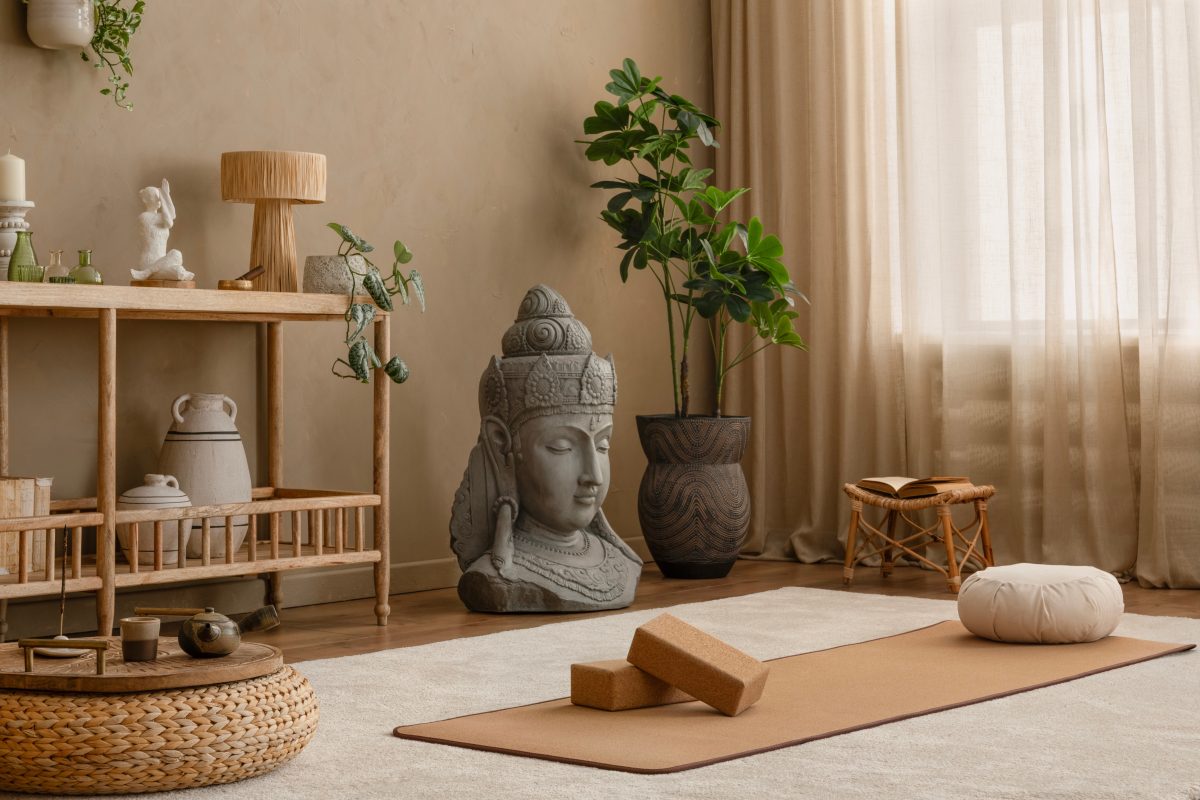
Glaister is also seeing many more people choose home designs that prioritize wellness. “When everything in the world feels topsy turvy, taking control of one’s own health is something achievable,” she says. “From steam showers to infrared saunas to meditation rooms and fully equipped home gyms, if you have the space in your home, perhaps an extra bedroom or a living room you rarely use, you might enjoy installing this trend in your own home.”
6. Zoned Outdoor Living
Another concept that experts are seeing is a zoned design for outdoor living. The TurfMutt Foundation, which advocates for the care and use of backyards, public parks, school yards and other green spaces, refers to this approach as “right-sized, purpose-driven zones.” This means that every square foot of a 2026 yard should have a function and be maximized with features like living walls, container gardens, and raised beds. For larger properties, this trend entails creating distinct zones for entertaining, exercising, or working.
The goal is a function-first design that boosts daily enjoyment and long-term home value, says Goranson. “Instead of one big open space, designers are zoning backyards like an interior floor plan: a cooking/dining zone; a lounging/fire feature area; and even a quiet wellness corner for yoga, meditation, or a cold plunge,” he explains. He suggests choosing natural, earthy materials like stone pavers, composite decking, and textured woods in these spaces since they feel warm and lived-in, while requiring minimal upkeep.
The post This Spring’s Home Trends Have Something for Everyone—Even “Midimalists” appeared first on Bob Vila.