
We may earn revenue from the products available on this page and participate in affiliate programs. Learn More ›
First popularized in 2019 in the United Kingdom by conservation group Plantlife, No Mow May has taken root here in the United States. In 2020, Appleton, Wisconsin, became the first city in the country to adopt the practice in which you allow your lawn to grow throughout the month of May without mowing, watering, or fertilizing. Now, several communities throughout the U.S. have joined the No Mow movement.
No Mow May began as a way to help bees and other pollinators, but there’s more to it than just helping the bees. Here are some legitimate reasons to keep the mower garaged this month.
1. It encourages natural wildflowers to grow.
Not mowing your lawn during the month of May can allow flowers to grow that might otherwise be lost to the lawn mower. Dandelions, clover, and the common blue violet start to bloom in the spring and can add some diversity to your lawn. In a 2023 press release, Plantlife said that allowing lawns to grow longer can increase plant diversity and support more pollinator species.
These May bloomers do more than just help the bees: Dandelions can be good for your lawn since their wide-spreading roots can loosen hard-packed soil. Their root systems also pull calcium and other nutrients from the deep ground, making these nutrients available to nearby plants and acting like a natural fertilizer.
2. It supports early-season pollinators.
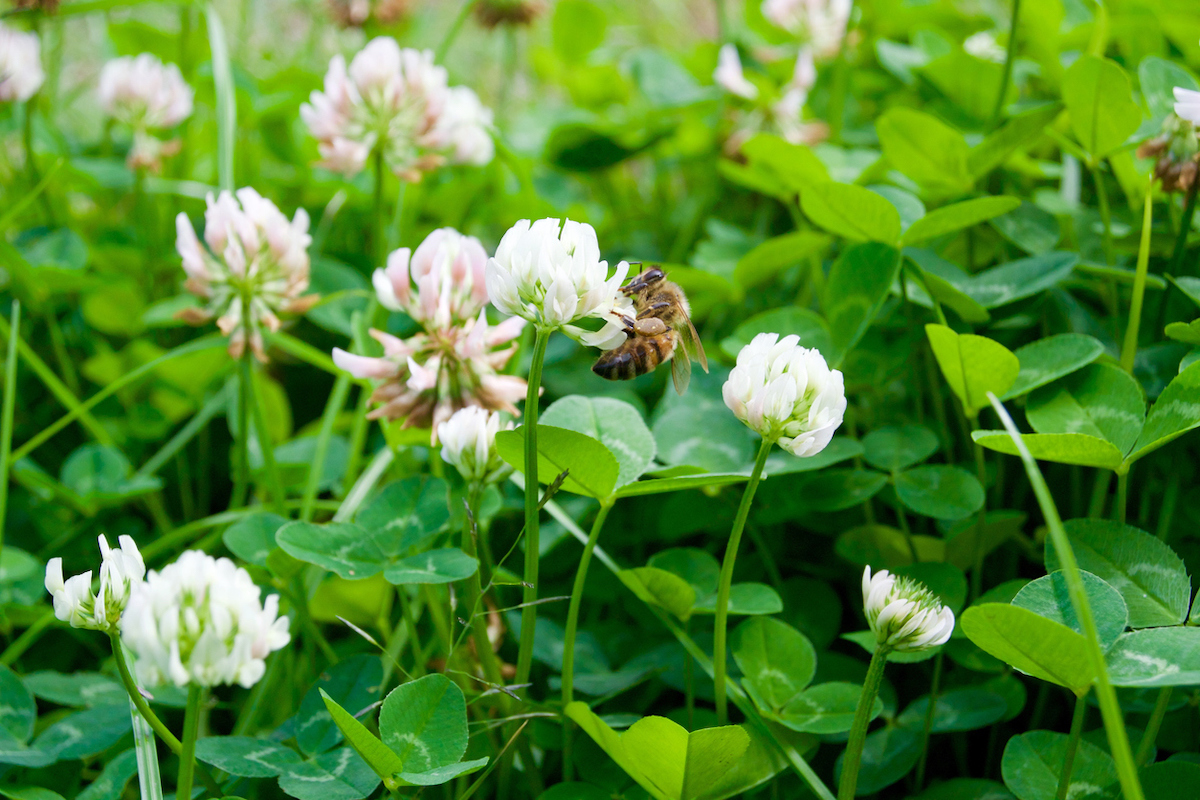
In recent years, studies have found a steep drop in the bee population worldwide. In response, the United Nations says the decline could impact the global food supply, since 75 percent of the world’s food crops and 35 percent of global agricultural land depend on pollinators.
Early spring flowers, such as dandelions and clover, help the local pollinator population at a time of year when nectar sources may be in short supply. In fact, as reported in Gardens Illustrated, when left to grow wildflowers, a 1-square-meter patch of lawn can produce enough nectar to support almost four honeybees per day.
3. It saves time and effort.
Skipping weekly mowing and chemical treatments frees up a lot of your time, and reduces the overall lawn maintenance workload.
If you’re looking for other ways to help pollinators while you’re not mowing, try adding some native plants to your yard. Native plants work great in garden borders, and they support bees and other pollinators, such as butterflies and hummingbirds, by offering nectar and seeds. They can also provide shelter for birds and small woodland creatures.
4. It reduces pollution.
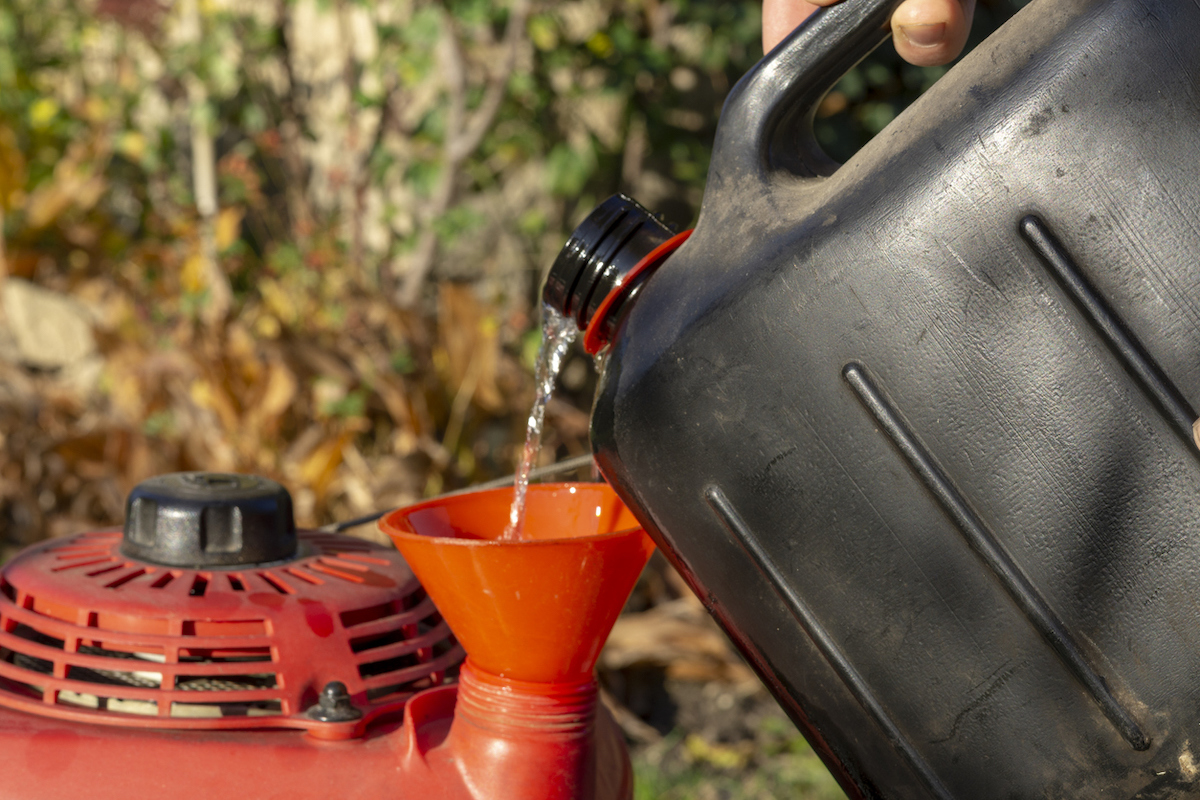
Gas-powered lawn equipment contributes significantly to air pollution. EPA-related estimates say that operating a typical gas lawn mower for 1 hour can produce as much pollution as driving a car about 500 miles.
No Mow May also encourages participants to avoid using any fertilizers, herbicides, or pesticides during the month. Pesticides, for example, have been found to be a factor in the decline of honeybee colonies in both North America and Europe.
5. It can improve lawn resilience.
No Mow May doesn’t just help pollinators; it can improve the quality of your lawn. Letting grass grow longer can encourage deeper root systems, which may help lawns better tolerate heat and brief dry spells.
Longer grass also shades the soil, helping with moisture retention and weed suppression by limiting how much sunlight reaches seeds. Over time, this can reduce the need for frequent watering and chemical treatments, especially as the lawn adapts to slightly less intensive maintenance.
That said, there are arguments for just reducing, rather than eliminating, mowing in May. While communities complain about the unkempt appearance of extremely tall grass, lawn care experts point out that cutting grass by more than one-third of its height can stress and weaken the plant. In fact, citing concerns like these, in 2024, Appleton pivoted to Slow Mow Summer and reinstated year-round grass height restrictions.
6. It reduces water use.
The Environmental Protection Agency estimates that one-third of all residential water use is spent on landscape irrigation. That translates to nearly 8 billion gallons each day.
Allowing grass to grow longer during this period can help slow evaporation and keep soil cooler, meaning your lawn may stay greener with less supplemental watering. Even a short break from frequent mowing and irrigation can make a noticeable difference in overall water use, especially during the warmer summer months.
7. It helps you rethink your lawn habits.
No Mow May can change how you see your yard. You might find you prefer slightly longer grass and switch your mowing schedule to every few weeks rather than every week. You may also notice that clover feels softer on your feet, or that a few dandelions aren’t the end of the world.
Holding off on mowing can also highlight other garden habits worth adjusting, like watering too often or relying unnecessarily on fertilizer. Think of it as a low-effort way to learn what your lawn actually needs, and what it doesn’t.
8. It can inspire lower-maintenance landscaping.
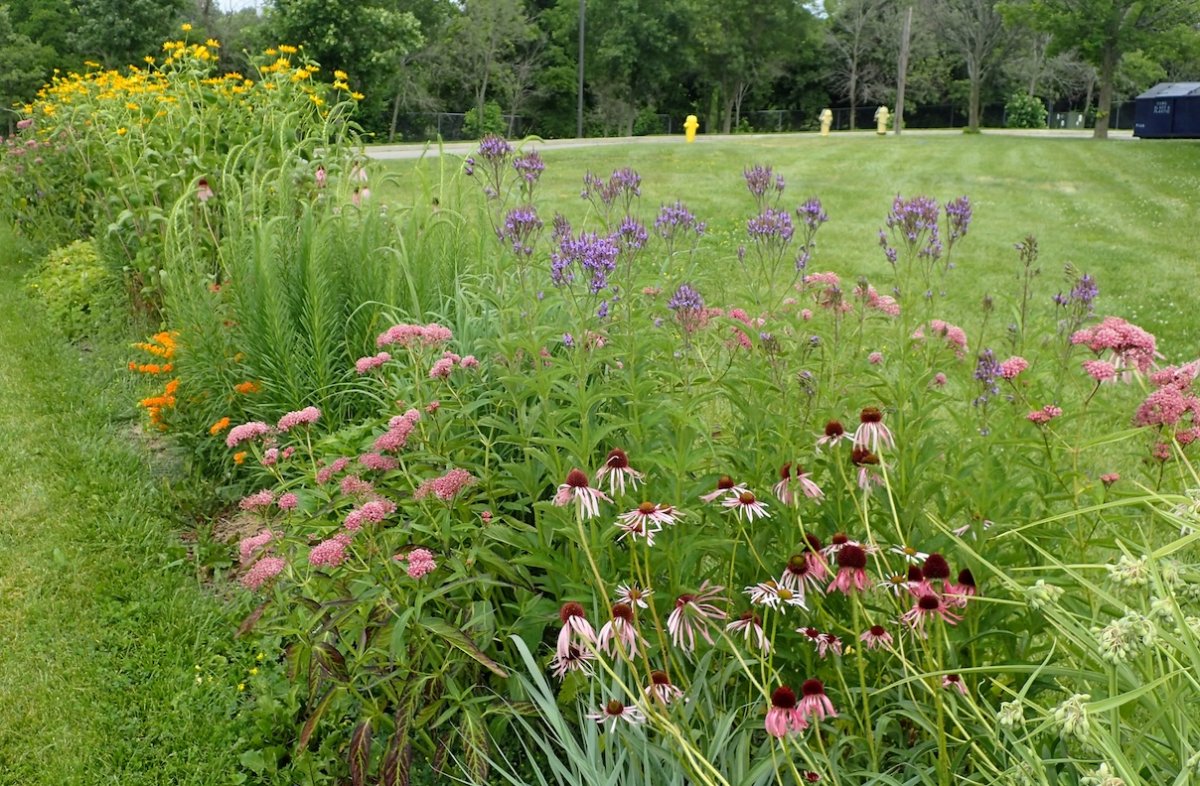
Grass has its place for playing and relaxing, but after participating in No Mow May, you may decide the upkeep of a traditional lawn isn’t worth it. Grass alternatives like native plants, prairie grasses, rain gardens, or wildflower meadows can reduce maintenance while supporting pollinators.
Replacing even part of your lawn with one these options can cut back on mowing, watering, and chemical use while creating a more resilient, environmentally friendly yard.
Is No Mow May right for you?
No Mow May doesn’t have to be all or nothing. If it feels too extreme or isn’t allowed due to local ordinances, you can still participate in small ways: Leaving a small section unmowed, trimming the edges for a more intentional look, or adding features like bee hotels can all support pollinators without sacrificing curb appeal.
If your community has strict lawn rules, resources from groups like Penn State Extension can help guide conversations around more pollinator-friendly practices. Even small changes can make a meaningful difference, both for your yard and the environment.
The post 8 Good Reasons to Participate in Now Mow May appeared first on Bob Vila.