
We may earn revenue from the products available on this page and participate in affiliate programs. Learn More ›
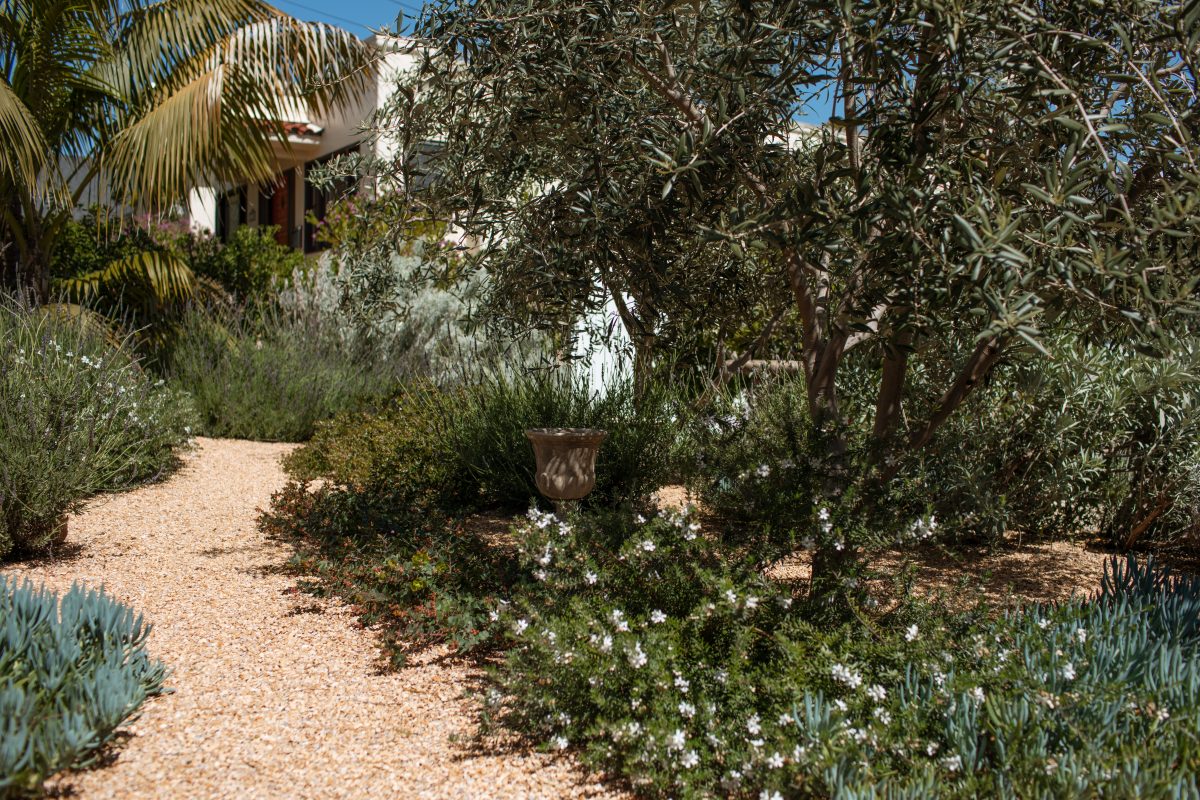
You’re less likely to see large sprawling lawns these days, as the “less lawn movement” spreads. A recent report from Yardzen observed that traditional lawn square footage has dropped 25 percent year over year in favor of more flexible, layered systems. As the report points out, more homeowners across the country are moving toward softer, more cohesive outdoor living spaces that encompass layered planting, curved pathways, and places to gather that flow naturally into the landscape. We spoke to Kevin Lenhart, design director and landscape architect at Yardzen, to learn more about why the lawn removal trend is taking hold now, how to achieve a layered look, and some alternatives to lawns you can implement easily on your property.
Why Lawns Are Shrinking
The motivation to reduce lawns is coming from all directions. The weather is hotter, water is scarce, water prices are rising, and penalties or rebates incentivizing lawn reduction are popping up in more and more cities, says Lenhart. “People inclined toward environmentalism are also increasingly aware of the benefits of lawn removal, including reduced water and air pollution, in addition to a significant opportunity to expand habitat and ecosystem services through native plants and trees,” he explains. Having less lawn also can reduce the need for chemical fertilizers and pesticides.
There is also a cultural shift underway involving the look and feel of landscapes. “People are embracing a looser, more naturalistic aesthetic and integrating more elements of their specific regional landscape identities into their landscape designs,” says Lenhart. “This regionally and ecologically sensitive approach, which I love, is directly opposed to what a lawn represents: a manicured, non-native approach to landscape that pays no mind to the region in which you live.” By incorporating native plants, a yard becomes more resilient to issues like drought, heavy storms, and extreme temperatures. Finally, a smaller grass lawn saves time and money since it requires less maintenance overall.
How Layered Systems Transform the Landscape
Layering is a concept that applies to landscape design in several ways. Aesthetically, plant layers create visual depth. “Think of stadium seating: low plants in front, tall plants in back, everything visible from the front,” explains Lenhart. It also adds an extra layer of meaning to material selection, producing a richer design by moving beyond simply mimicking nature to interpreting it, which makes the landscape much more interesting.
Functionally, landscapes are composed of layers, with soil at the bottom, the tree canopy at the top, and various strata of planting and materials between. “This structure is responsible for critical ecosystem services, from water management and soil enrichment to shade and habitat creation,” explains Lenhart. “Plants in nature occupy different layers, or height levels, and these layers create intricate, symbiotic relationships among plant species, with plants above shading those below at key times of the year.”
Layers also provide a rich variety of habitat niches that form the bedrock of ecosystems. Designs that seek a naturalistic look should mimic this layered structure that we see in naturally occurring plant communities, says Lenhart. “You don’t need to use too many different species. In fact, you can use very few, but in total your species should occupy clearly distinct height layers.” Also, don’t forget about trees, since they have the biggest impact of all on planting designs. Finally, ridding a yard of grass in favor of ground cover is equally important, so be sure to include low, spreading species to fill gaps between denser plantings.
Lawn Alternatives
If you are interested in moving away from a traditional lawn, consider implementing these options in your outdoor space.
- Ground cover: “Ground cover plants offer many advantages: they slow runoff, coax water back into the ground, cool ground-level temperatures, and reduce the heat island effect,” explains Lenhart. They are also a cost-effective strategy for making plantings look lusher and more natural without increasing plant quantities or costs. He recommends low-spreading ground covers like ceanothus, emerald carpet manzanita, and dwarf coyote brush that provide excellent texture and serve as a perfect base for taller planting layers.
- Ornamental grasses: The long blades of ornamental grasses such as deer grass, purple fountain grass, and blue fescue, are a low-maintenance alternative to a traditional lawn, requiring only occasional trimming. Most are drought-tolerant, grow in moist soils, seldom require fertilizers, and have few pest or disease problems. There are plenty of native options for various zones and regions.
- Native wildflower meadow: If you have a large yard that gets at least 6 hours of sunlight per day, then a native wildflower meadow might be a great lawn alternative. By planting native species and rewilding your yard, you can enhance biodiversity by attracting birds, butterflies, and other pollinators. Plus, the lush, colorful flowers are attractive, and you’ll save time and water compared to thirsty turf lawns. Just keep in mind that meadows might require some extra investment and work to establish, and it can take a couple of years for the plants to fill in.
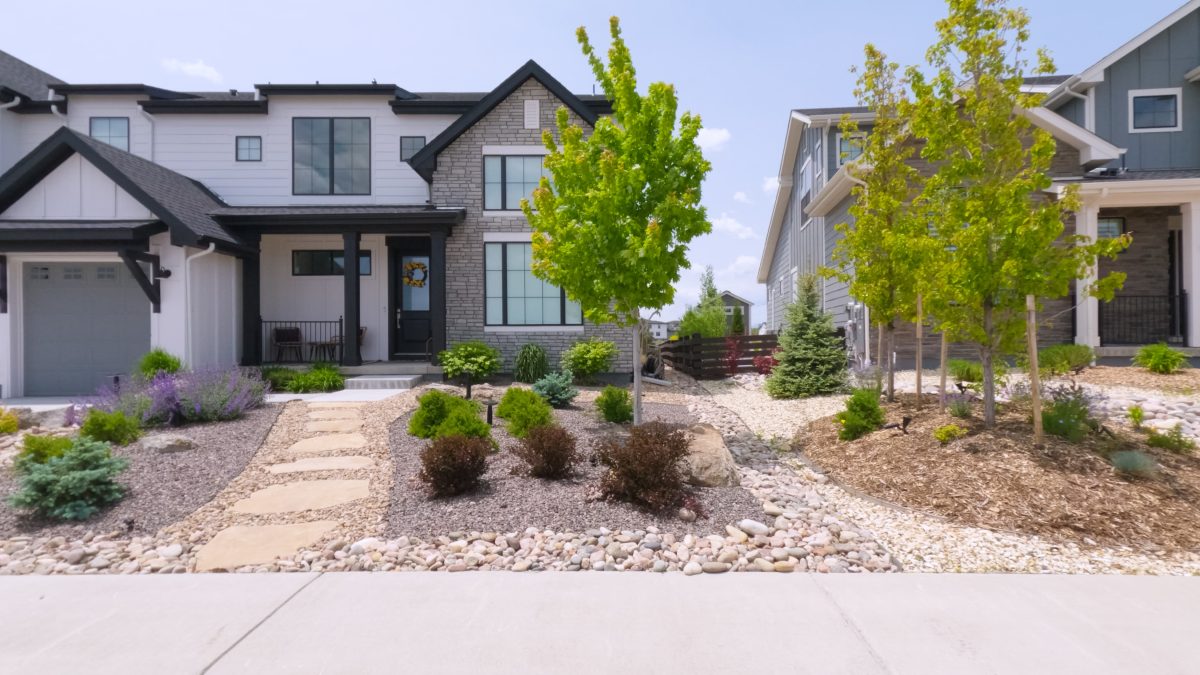
- Mulch: For a more rustic look, try replacing sod you cut out with organic mulches like cedar or pine bark. In addition to minimizing weeds and reducing the amount of water needed by surrounding plants, the mulch will eventually break down and improve soil health. Make your mulch layer about 3 inches deep for best results. If your main goal is weed prevention, you can place permeable landscaping cloth on the bare soil before laying mulch, but this negates the soil improvement benefits of the organic mulch.
- Moss: If you like the look of a turf’s green carpet but don’t have time to mow and pull weeds, then moss might be a good fit. It has both aesthetic and ecological values, while also preventing soil erosion. Most mosses do well in damp, shady areas. If you already have moss in your lawn, encourage it to spread naturally. Irish moss grows rapidly to form a dense, low mat of green to dark green foliage along the ground, while yellow Scotch moss offers a dense neon-yellow carpet effect.
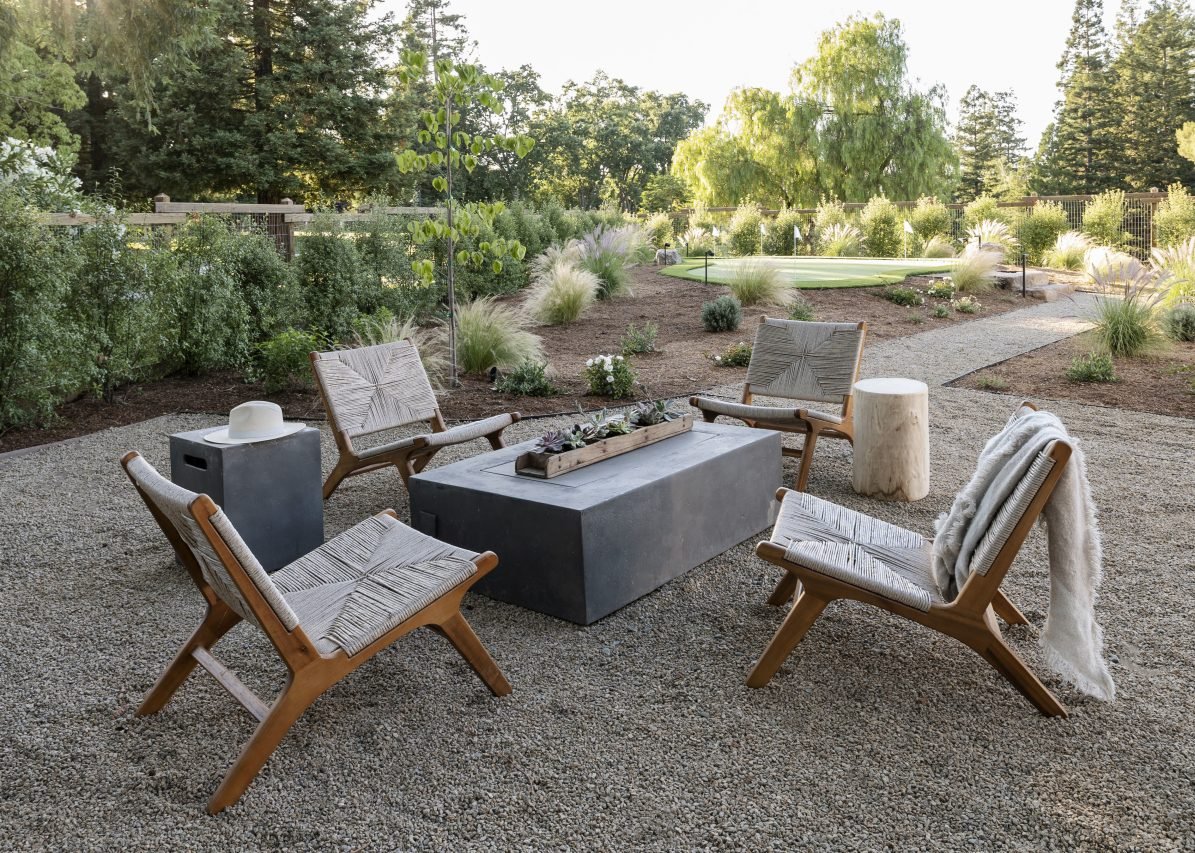
- Gravel: Gravel provides structure, color, texture, and character to a landscape. According to the Yardzen report: “Hardscape still plays a critical role, guiding movement, defining space, anchoring planting, but increasingly as a supporting element rather than the dominant voice.” Gravel also offers permeability without the water and pesticide load. By choosing a high-quality stone color in a regional palette, you can create a beautiful space with a sense of belonging to the local ecology and climate.
The post Why More Homeowners Are Replacing This Traditional Outdoor Feature (and Saving Money in the Process) appeared first on Bob Vila.