
We may earn revenue from the products available on this page and participate in affiliate programs. Learn More ›
When a heatwave strikes, you might quickly blame drafty windows or an aging air conditioner for rising indoor temperatures. However, your attic is often the culprit. Under the scorching summer sun, roof shingles absorb radiant heat and can transform a poorly ventilated attic into a thermal trap, causing temperatures to easily soar up to 150 degrees Fahrenheit.
This concentrated heat doesn’t just stay in the attic, unfortunately. It escapes downward into your living space, forcing your air conditioning unit to run constantly, driving up energy costs, and leaving upper floors uncomfortably warm well into the night. Keep reading for expert-backed guidance that will help answer both “Why is my attic so hot?” and “What can I do about it?”
Why Attics Get So Hot in the Summer
The attic is one of the most overlooked reasons a house won’t cool down, says Michael Auman, general manager at Rite Way Heating, Cooling, & Plumbing in Phoenix and Tucson, Arizona. “On a 110-degree day in Phoenix, the temperature up there in the attic can hit 140 degrees, and that heat pushes straight down through the ceiling into the space the AC system is trying to condition,” he explains. “It’s working against you the whole time.”
As the in-between space between your roof and home interior, your attic absorbs most of the heat beating down from the sun. If you notice uneven temperatures throughout your home, musty odors or mold, a struggling HVAC system resulting in higher energy bills, and/or roof issues like warping or curling shingles, then you may be dealing with an attic that is overheating.
To best assess the situation, it’s helpful to understand what temperatures are normal and when it’s getting too hot. Attic temperatures typically run 20 to 40 degrees Fahrenheit above the outdoor temperature, so it’s not uncommon for an attic to reach between 120 and 135 degrees Fahrenheit during the summer months. However, if your attic is consistently hotter than that range, possibly reaching 150 to 160 degrees Fahrenheit, there is most likely a problem that needs to be addressed.
Common hot attic problems include the following:
- Inadequate ventilation: Without proper airflow, hot air gets trapped and causes the temperature to rise. Check intake vents and exhaust vents to make sure they aren’t blocked and that there is a steady exchange of air flowing throughout the attic.
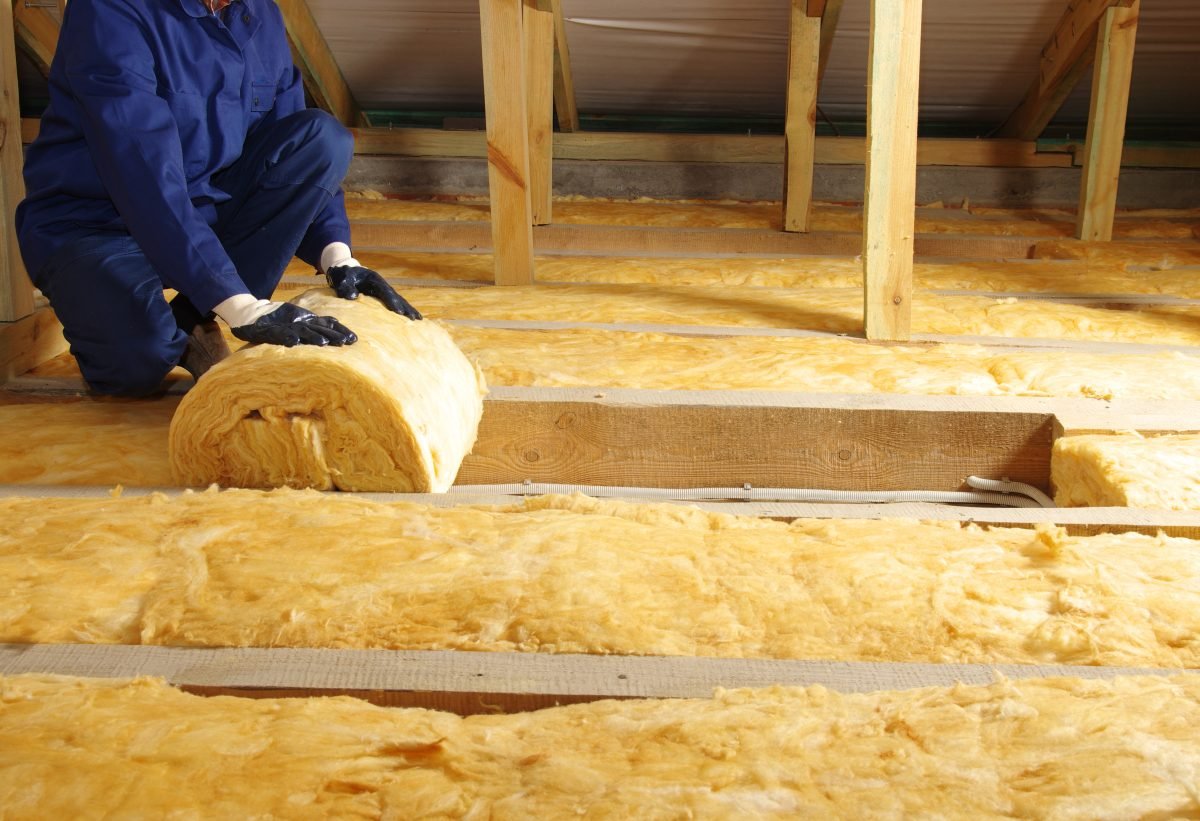
- Poor or old insulation: Insulation slows down the transfer of heat, but if it’s damaged, too thin, or old, heat will get right through it. Choose insulation with a higher R-value to slow down the passage of hot air.
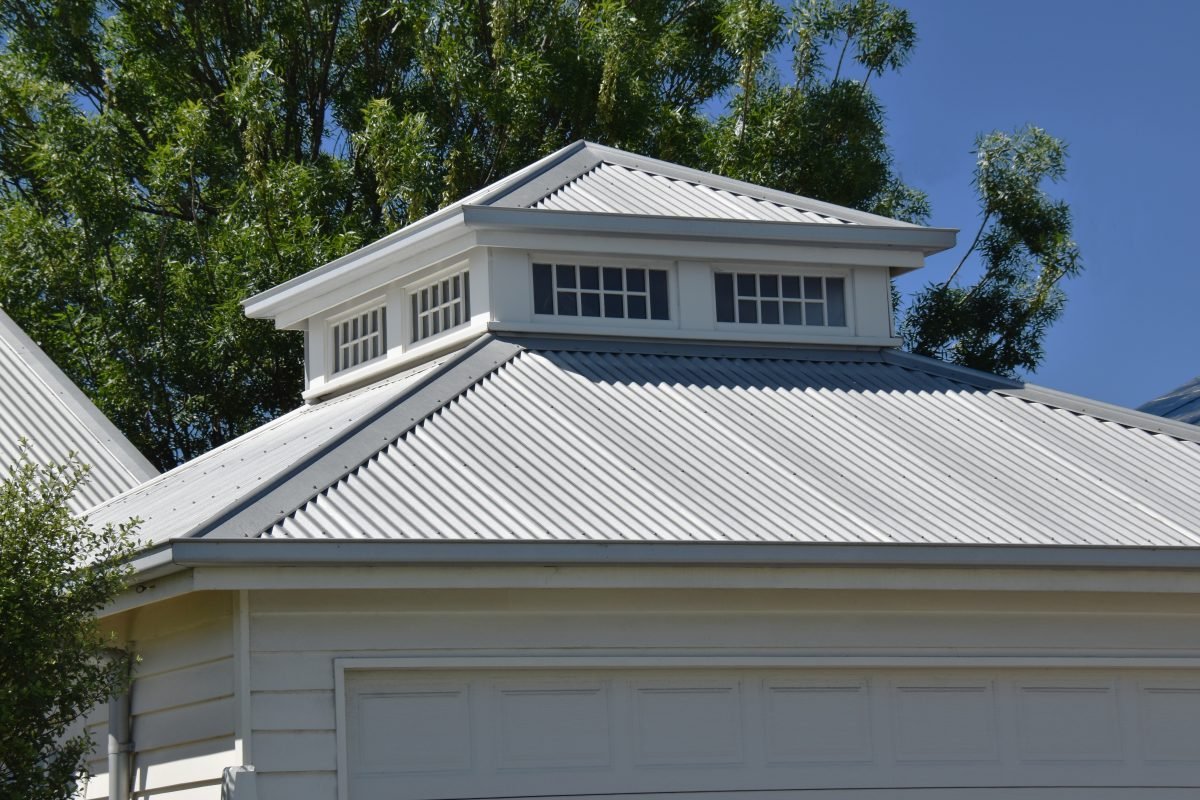
- Roofing material and color: The darker and denser a roof, the more solar heat it absorbs, which leads to higher temperatures. Choose light, reflective roofing instead.
Don’t Ignore Your Sweltering Attic
Although attics tend to be hotter than the rest of the house, if temperatures get too high and stay that way for a prolonged amount of time, you may face some undesirable issues ranging from discomfort and inconvenient repairs to pricier energy bills.
From an equipment standpoint, a hotter than usual attic is a serious problem, warns Auman. A hot attic forces the cooling system to work harder as heat builds up. “The system never really catches a break, and we see that wear showing up: compressors working harder than they should, refrigerant issues, and units failing earlier than they ever should have,” he explains. “A lot of homeowners assume the equipment is failing when, really, the attic is what’s making a functional system look like it’s struggling.” As a result, you’ll be stuck with higher energy bills and equipment costs, yet still feel stuffy throughout your home.
Other potential problems include the following:
- Damage to belongings stored in the attic
- Poor indoor air quality
- Wear and tear on wiring
- Warping of wood framing and flooring
- Mold and mildew growth due to moisture buildup
- Roof damage from trapped heat and poor airflow
- Reduced effectiveness of insulation
Ways to Keep Your Attic Cool
Addressing rising heat levels in your home as a result of issues in your attic doesn’t require a total overhaul, but demands a balanced strategy that combines heat management with thermal protection. Keeping your attic cool comes down to stopping incoming solar radiation from penetrating the space and ensuring trapped heat has a clear path to escape. By combining continuous airflow with robust insulation and smart structural tweaks, you can lighten the load on your air conditioner, protect your home from moisture damage, and restore year-round comfort to your living areas.
Here are the most effective ways to lower your attic’s temperature and protect your home this summer:
- Upgrade insulation and seal gaps: Insulation is your primary defense against summer heat transfer into your living space, so be sure to inspect existing insulation for signs of aging, compression, and water damage. Seal any gaps around attic hatches, ductwork, vents, and recessed light fixtures with spray foam to prevent air leaks.
- Balance the ventilation system: The easiest way to cool an attic is to let trapped hot air escape naturally through a continuous, balanced system of intake and exhaust vents.
- Keep vents clear: Check that stored items and insulation aren’t blocking your vents, and install baffles along the roofline to create a clear channel for cool outside air to enter through soffit vents without getting clogged by insulation.
- Install a radiant barrier: Radiant barriers are reflective sheets placed under the roof deck that bounce solar radiation away before it can be absorbed into the attic space. “Getting a radiant barrier installed…can take a real load off the system,” notes Auman.
- Add attic fans: When passive ventilation isn’t enough, motorized or solar-powered attic fans can actively pull stifling heat out of the space and draw cooler outside air in.
- Choose light-colored or reflective roofing materials: Dark asphalt shingles absorb massive amounts of radiant energy, acting like a heat sponge. When it’s time for a new roof, select lighter-colored shingles or energy-efficient metal roofing to help reflect more sunlight and decrease attic heat absorption.
The post The Part of Your Home That’s Secretly Making Every Heatwave Worse appeared first on Bob Vila.