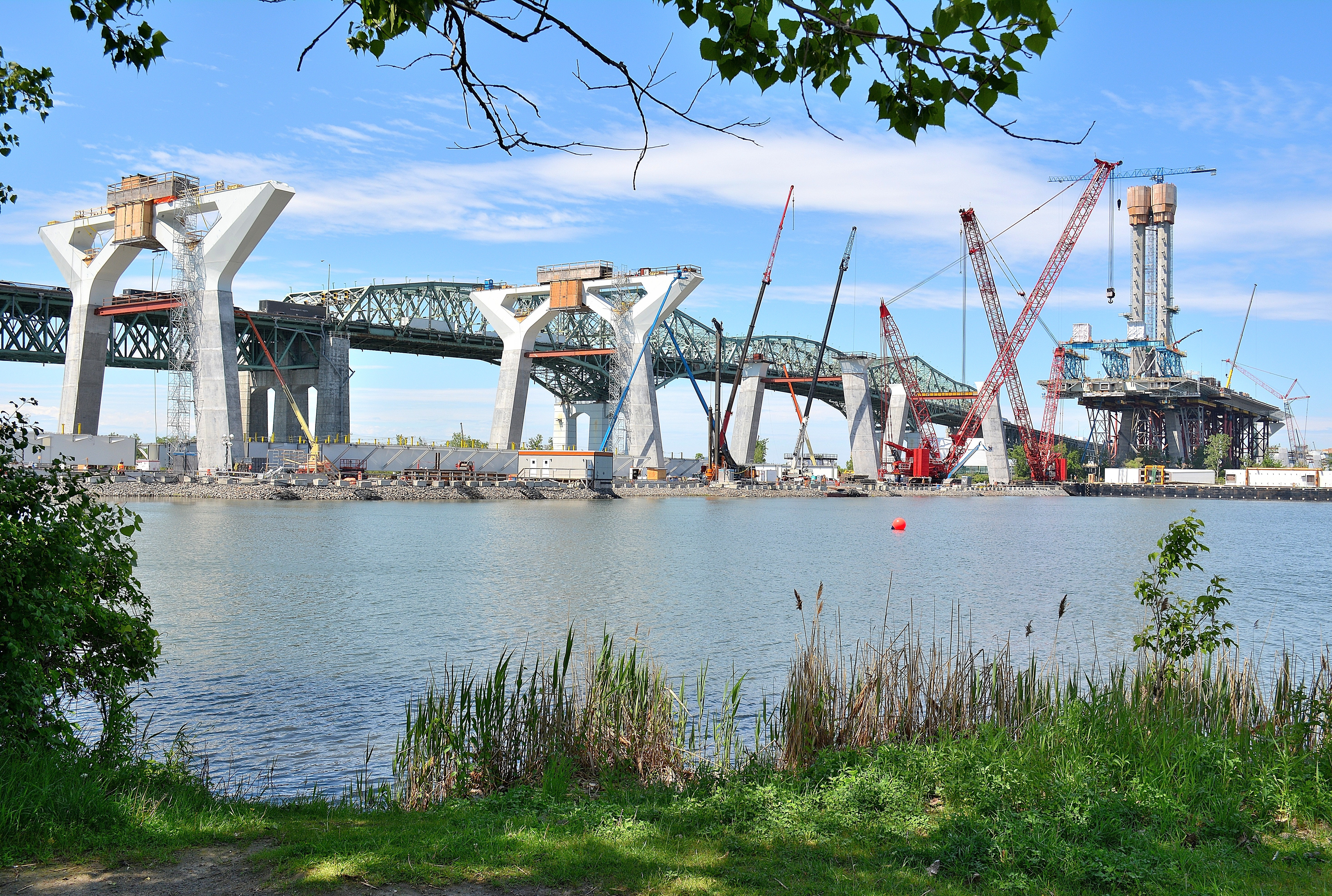
Digital integration, sustainability mandates and industrialized construction are reshaping the precast concrete sector, offering contractors expanding opportunities in concrete-intensive commercial, industrial and infrastructure projects.

Contractors focused on concrete-intensive work can expect a decade of expanding opportunity as the global precast concrete construction market strengthens its growth trajectory through 2032. According to the recently released Precast Concrete Construction Market – Global Forecast 2025–2032 report from Research and Markets, precast manufacturing continues to gain traction as industry leaders embrace digital transformation, modular building practices and low-carbon solutions to meet rising expectations for speed, quality and environmental stewardship. According to the report, the sector grew from US$141.92 billion in 2024 to US$151.14 billion in 2025 and is projected to reach US$242.59 billion by 2032, representing a sign of sustained demand across commercial, industrial, residential and public infrastructure builds worldwide.
Modular, low-carbon and digital solutions
For contractors delivering concrete-heavy structural systems, including bridges, transit structures, high-rise cores, industrial slabs and utility buildings, the shift toward precast and prefabricated systems aligns directly with market needs. The report highlights rapid adoption of modular 2D panels, 3D volumetric units and advanced precast assemblies that reduce on-site labour pressure and accelerate project schedules. At the same time, the industry is investing heavily in low-carbon materials, alternative binders and high-performance admixtures in order to meet evolving regulatory requirements and sustainability targets. And digital tools remain central to this shift: BIM integration, 3D-printing technologies and data-driven manufacturing workflows are serving to improve design accuracy, reduce rework and support lean, industrialized production.
Strategic partnerships and regional resilience
The outlook also highlights the importance of strategic collaboration between manufacturers, technology providers and construction partners, particularly as global supply chains adjust to new U.S. tariffs implemented in 2025. These cost pressures are prompting many firms to strengthen domestic sourcing, expand vertical integration and build regional supply alliances. For contractors, this means more predictable access to materials and potentially greater alignment with local precast producers.
In addition, growing urbanization, infrastructure reinvestment and skilled-labour constraints across North America are also helping to reinforce demand for precast solutions that simplify on-site operations and improve safety. As major players such as CRH, Holcim, Kiewit, Bouygues and Vinci advance research and development into greener materials and automated production, contractors will see more resilient and sustainable system options entering the market.
Key Stats for Contractors:
- Global market size (2025): US$151.14 billion
- Year-over-year growth from 2024 to 2025: US$9.22 billion
- Projected global market size (2032): US$242.59 billion
- Forecast CAGR (2025–2032): 6.93%
A roadmap for contractors positioning for growth
For construction leaders, it’s clear that precast concrete is no longer a niche delivery model but a rapidly industrializing global market reshaping how concrete-intensive projects are planned and executed. With pressures mounting to deliver faster, cleaner and more cost-effective solutions, contractors who invest in digital integration, regional partnerships and adaptive sourcing strategies will be well positioned to secure a larger share of the sector’s long-term growth.