
We may earn revenue from the products available on this page and participate in affiliate programs. Learn More ›
A wooden deck adds charm to a backyard and serves as the ultimate backdrop for outdoor relaxation, but keeping it in prime condition requires some work. While weather certainly takes a toll, some habits you might practice unwittingly could be accelerating deck rot. We spoke to a couple of deck experts to identify common maintenance missteps, from aggressive pressure washing and harsh chemical cleaners to trapped moisture under potted plants and forgotten debris. By identifying these mistakes and adopting safer maintenance techniques, you can protect your deck from premature decay and preserve it for years to come.
1. Pressure-Washing Too Aggressively
One of the biggest mistakes homeowners make when it comes to wooden deck care is pressure-washing it too aggressively, which often strips the wood fibers, splinters the wood, and leaves permanent marks, says Jon Colbasiuc, owner of Supreme Deck Store in Helmetta, New Jersey. When the wood splinters, it opens up recesses where mold can start to grow. This can eventually damage the wood grain, force dirt deeper into the wood’s surface, make it harder to keep the deck clean, and shorten the lifespan of the wood. Instead, Colbasiuc recommends using a soft-bristled brush with deck-specific cleaner, or pressure washing the deck from an adequate distance on a low-pressure water setting.
2. Letting Debris Build Up
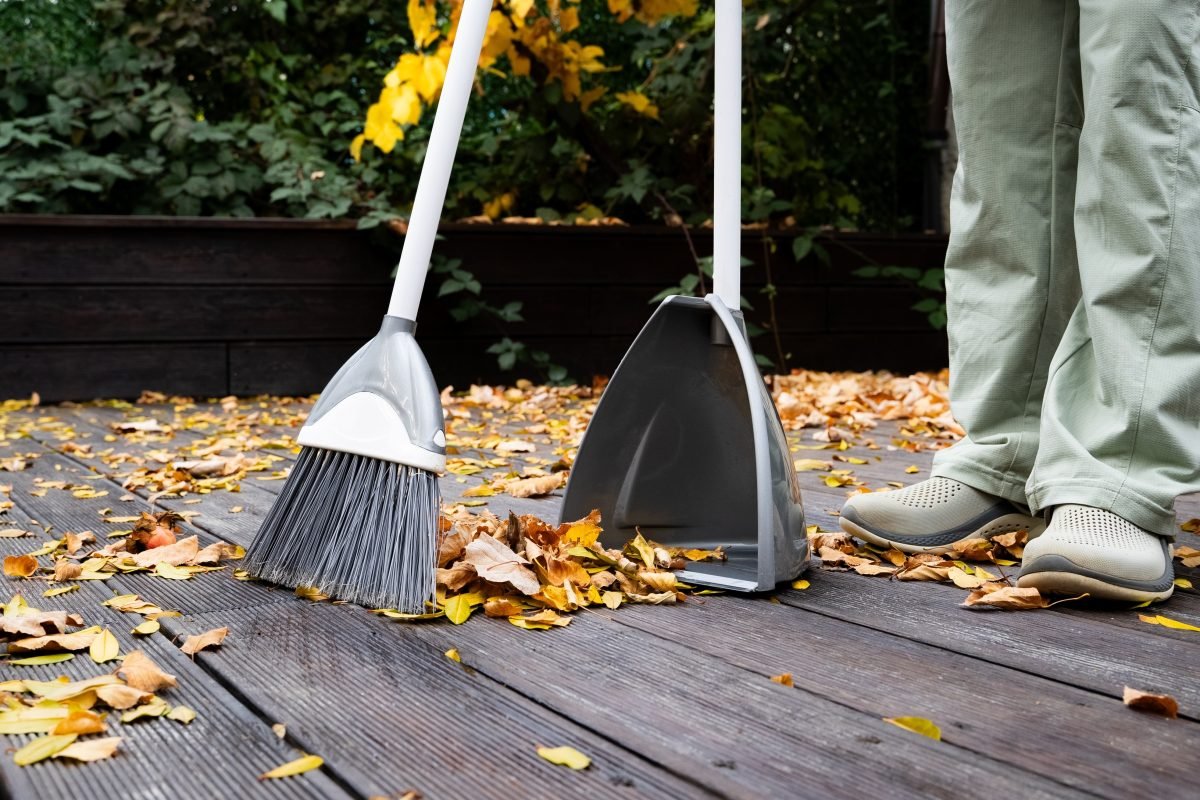
Another common issue is letting leaves, dirt, dust, pollen, and other debris build up between deck boards, which can trap moisture and eventually lead to mildew or rotting, notes Jake Anderson of Modernize It LLC in Candia, New Hampshire. It’s important to regularly sweep the deck with a stiff-bristle brush to keep it clear of such materials. “Regularly cleaning between the boards helps maintain adequate drainage and airflow, especially in the fall when leaves are a more prominent issue,” adds Colbasiuc.
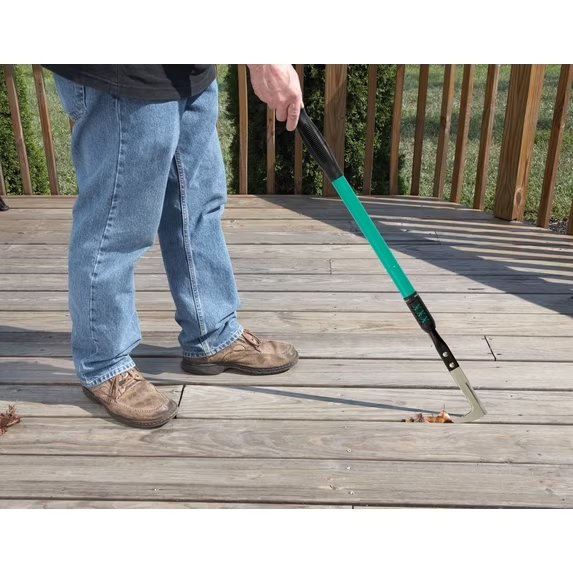
Using a putty knife or special deck gap tool, clean the gaps between deck boards at least twice per season during spring and fall. Even covered decks can have debris that gathers in corners. Trim vegetation that’s within 12 inches of the deck to minimize leaves, berries, and other plant materials from falling onto the deck.
Our Recommendation
3. Cleaning With Bleach
It might seem like a good idea to clean a deck with chlorine bleach, but you should avoid using bleach. The cleaner can be very corrosive, which will discolor the wood, and end up destroying the wood’s natural lignin, which can ruin its strength and structure. The bleach also raises the pH of the wood surface, which can make it harder for stains and sealants to work properly in the future. Finally, the bleach can ruin metal objects used on the deck, such as nails, screws, and fasteners. Instead, clean the deck using a nontoxic oxygenated cleaner with an oxalic acid-based wood brightener.
4. Leaving Large Objects in the Same Spot for Too Long
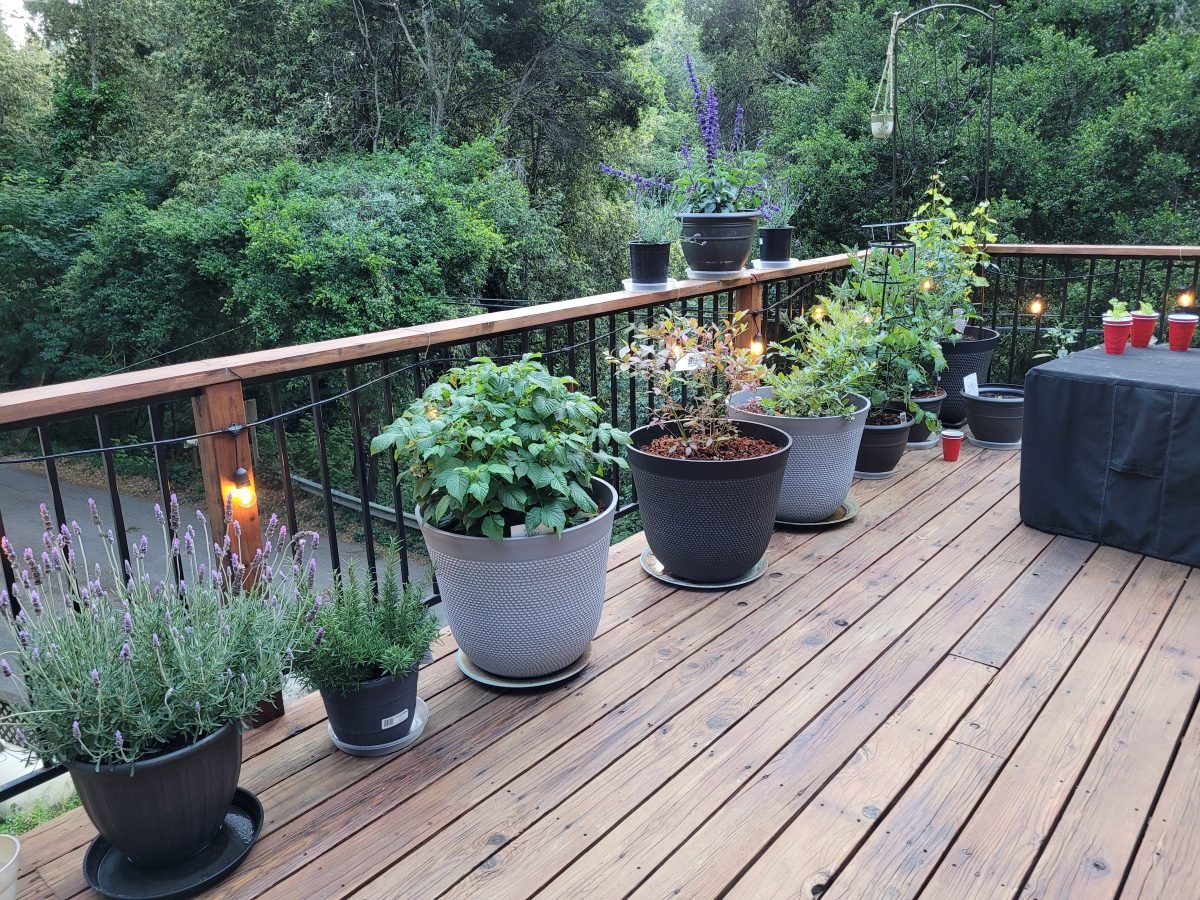
Another common mistake is leaving items out on the deck for long periods of time. “Rugs, planters, and other items sitting against the wood can trap moisture beneath them, which accelerates discoloration and deterioration of the wood,” warns Colbasiuc. This can lead to stains, moss growth, and deck rot. Instead, he recommends choosing breathable rugs specifically meant for outdoor use, elevating a plant container with planter feet, and moving the furniture every so often to help the wood dry between rains.
5. Scratching the Wood
You’ll also want to avoid doing anything that can scratch the surface of the wood. A common blunder is sliding around patio furniture with metal legs that can scrape the deck. Either lift the furniture when moving it or add protective pads. “Using metal shovels can scratch wood, create splinters, and scrape away at protective finishes,” says Colbasiuc. “Instead, use plastic-edged shovels, which are a safer option to clear snow from the deck.”
The post Bad Habits That Are Making Your Wood Deck Rot appeared first on Bob Vila.