
We may earn revenue from the products available on this page and participate in affiliate programs. Learn More ›
The Earth is home to some 20 quadrillion ants, making it essential to have a hard-working ant killer on hand. These pests can damage a home and contaminate food with bacterial- and disease-causing organisms, including Salmonella. The use of a barrier or ant-killing product can help keep these pests at bay. To find the most effective options, we tested seven highly rated products in our homes over 6 weeks.
Ant control products come in a variety of application methods, including powders, sprays, gels, bait, and traps, and can stop or prevent ant infestations. They can have synthetic chemical formulas or use natural ingredients. After testing many ant pest control products on the market, our top pick is Safer Brand Home Spider & Insect Traps. These sticky traps can eliminate worker ants without introducing any chemical insecticides into the home. However, when an infestation is large, a colony killer in the form of a bait station is a better pick.
For expert guidance on combating ants, we also interviewed Daniel Baldwin, a Board-Certified Entomologist at Hawx Pest Control, headquartered in Ogden, Utah. Read ahead for key tips on identifying the type of ants you’re dealing with and learn how to choose the best ant killer for your home or backyard.
Key Takeaways
- Top pick for ant control. Safer Brand Home Spider & Insect Traps effectively eliminate ants without chemicals.
- Best budget option. Terro Ant Killer Liquid Ant Baits offer long-lasting, affordable ant control.
- Eco-friendly solutions. Consider natural ingredients like diatomaceous earth and peppermint oil for safe ant prevention.
- Expert advice on ant identification. Identifying ant species is crucial for selecting the right ant killer.
Bottom line: After extensive testing, Safer Brand traps top the list for chemical-free ant control, with budget-friendly and eco-friendly options also available.
- BEST OVERALL: Safer Brand Home Spider & Insect Traps
↓ Jump to Review - BEST BANG FOR THE BUCK: Terro Ant Killer Liquid Ant Baits
↓ Jump to Review - BEST SPRAY: Ecologic Ant and Roach Killer
↓ Jump to Review - BEST BARRIER: Safer Brand Home Diatomaceous Earth
↓ Jump to Review - BEST OUTDOOR: Terro Outdoor Liquid Ant Killer Bait Stakes
↓ Jump to Review - BEST BAIT: Rescue! Ant Baits Indoor Ant Killer
↓ Jump to Review - BEST FOR FIRE ANTS: Dr. Killigan’s Dust to Dust Insect Powder
↓ Jump to Review
Before You Buy an Ant Killer
When ants invade a home, the first thing most people think about is how to get rid of the infestation. However, it’s also crucial to consider the environmental and health effects of certain insecticides for ants to avoid purchasing an ant killer known to be harmful to people, pets, and any animals that feed on ants. Some ant killers can even affect soil, groundwater, and nearby rivers or lakes, resulting in severe threats to the health of the local wildlife population.
Before selecting a powerful ant killer, consider investing in an insect repellent to keep the ants away without killing them. There are also eco-friendly ant baits, diatomaceous earth barrier protection, enclosed bait stations filled with liquid ant bait, and granular ant baits that draw ants into the bait station.
Time spent on prevention and learning what attracts ants can also go a long way in stopping these pests from infiltrating your home. When ants enter a house, they’re usually searching for food, so it’s a good idea to store food off counters and tables and sweep up crumbs regularly. You’ll also want to make sure common entry points, such as doors and windows, are properly sealed. If you notice ants coming out of baseboards, a bead of silicone caulk can help seal the cracks.
Best Ant Killers Compared
| Product | Type | Active ingredients | Application | Our Rating |
| Safer Brand Home Spider & Insect Traps | Slow-acting ant killer | N/A (adhesive trap) | Ant traps | 4.7/5 |
| Terro Ant Killer Liquid Ant Baits | Colony killer | Borax | Bait station | 4.7/5 |
| Ecologic Ant and Roach Killer | Kill-on-contact | Cornmint, cinnamon, and clove oils | Spray | 4.1/5 |
| Safer Brand Home Diatomaceous Earth | Slow-acting ant killer | Silicon dioxide from diatomaceous earth | Dust | 4.4/5 |
| Terro Outdoor Liquid Ant Bait Stakes | Colony killer | Borax | Bait stations | 4.7/5 |
| Rescue! Ant Baits Indoor Ant Killer | Colony killer | Borax | Bait stations | 4.6/5 |
| Dr. Killigan’s Dust to Dust Insect Powder | Slow-acting ant killer | Peppermint oil and rosemary oil | Dust (dry or wet application) | 4.4/5 |
Our Top Picks
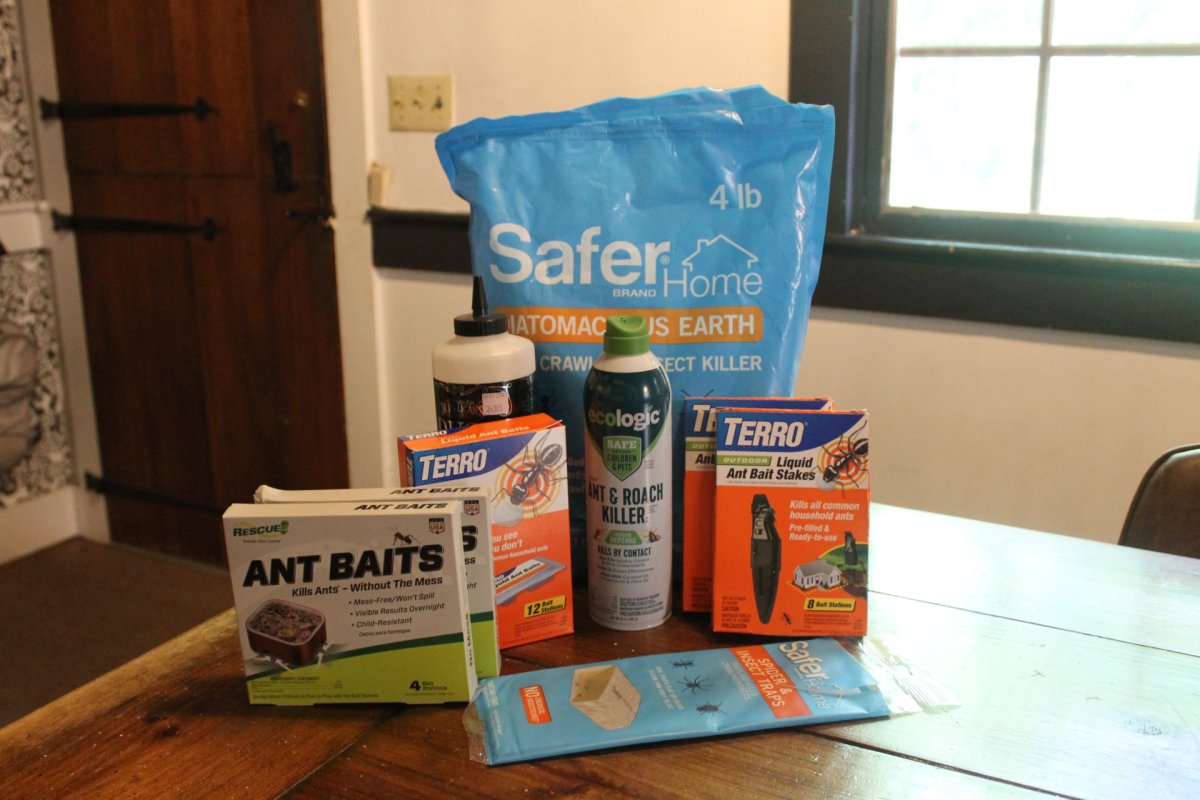
We tested the lineup of top ant killers below and awarded each product based on the area in which it excelled to help you find the best fit for your pest control needs.
Best Overall
Safer Brand Home Spider & Insect Traps
Photo: Katie Barton for BobVila.com
What We Like
- Kid- and pet-safe ant killer
- Simple to set up along ant travel routes
- Traps ants, spiders, roaches, and other crawling insects
What We Don’t Like
- Not effective against nests or colonies
- Takes experimentation to find the best location
Product Specs
-
Type:
Slow-acting ant killer -
Active ingredients:
N/A (adhesive trap) -
Application:
Ant traps
Our Ratings
| Ease of Use | 5/5 | Effectiveness | 4.7/5 | Value | 4.7/5 |
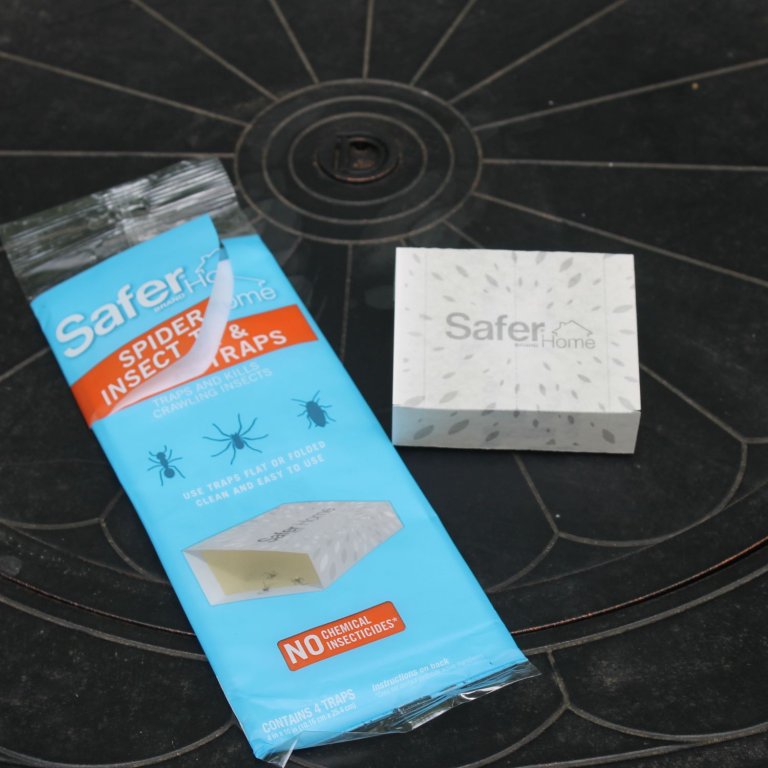
Those in the market for an alternative to strong chemical insecticides might want to check out Safer Brand Ant Traps. These traps employ a powerful adhesive to trap ants physically, resulting in dehydration, starvation, and eventual death. The traps are safe to use around kids and pets, though it’s still recommended to set them up in areas that are out of reach.
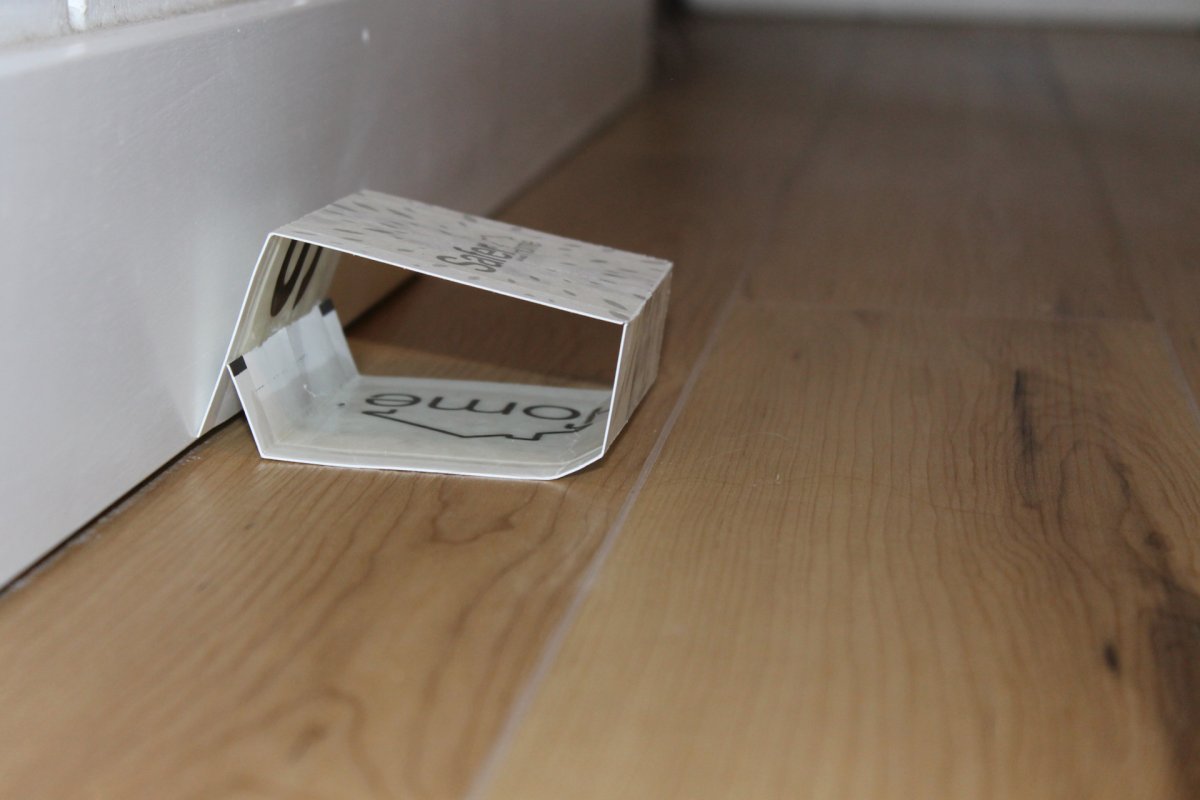
In order for these non-toxic ant killer traps to work, they must be placed in the ants’ path of travel. During testing, we had to experiment a bit to find the best spots. We ultimately ended up using them in our basement, where not only ants but also spiders and centipedes find their way in. By placing traps around the basement door and on windowsills, we effectively captured several crawling insects by targeting the path they used to enter the home.
While these traps are an effective, insecticide-free way to trap ants, they cannot kill the queen of the colony to eradicate the infestation at the source (because worker ants don’t bring poison back to the nest). If you have a large ant infestation, the Safer Brand Ant Traps can be an aid in reducing the population, but you’ll likely need a secondary product, such as a bait station.
What our tester says: “I have three kids, so I like that these ant traps work without the use of any harsh chemicals. I found them effective at trapping all kinds of crawling insects in my basement, including ants, spiders, and centipedes.”—Katie Barton, Product Reviews tester and writer
Get the Safer Brand Home ant killer at Amazon (3-pack), Tractor Supply Co., or The Home Depot.
Best Bang for the Buck
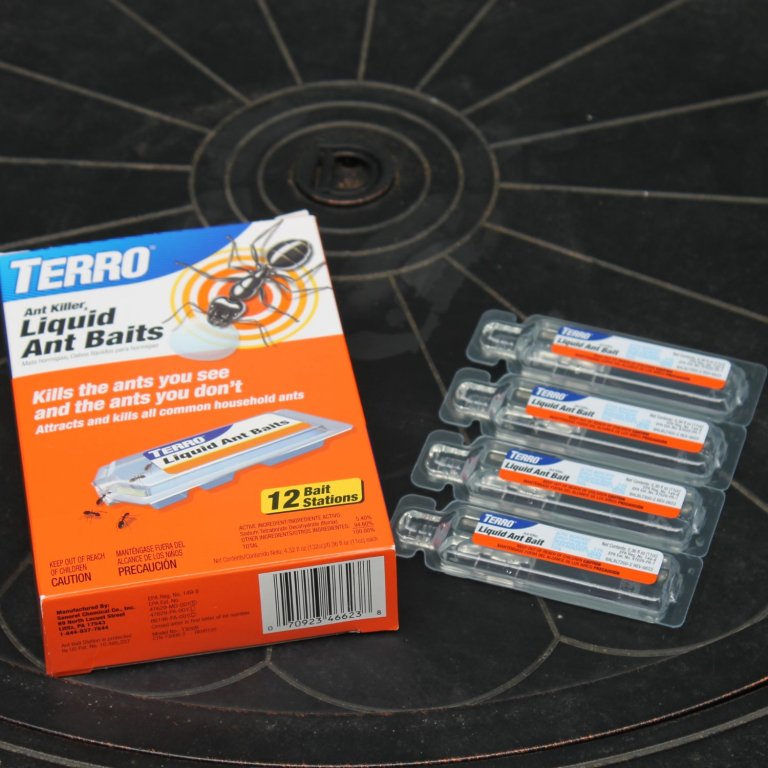
Photo: Katie Barton for BobVila.com
What We Like
- Easy, mess-free bait stations
- Work quickly to reduce the ant population
- 12 bait stations per package
- A single station can last for weeks
What We Don’t Like
- Liquid bait can spill out if improperly handled
Product Specs
-
Type:
Colony killer -
Active ingredients:
Borax -
Application:
Bait station
Our Ratings
| Ease of Use | 5/5 | Effectiveness | 4.5/5 | Value | 4.8/5 |
The Terro Ant Killer Liquid Ant Baits feature clear plastic bait stations filled with liquid bait. They attract ants, which then carry some of the bait back to the colony, helping wipe out the entire population. These bait stations come in a 12-pack, and each station can last for weeks, making them a long-lasting, affordable option.
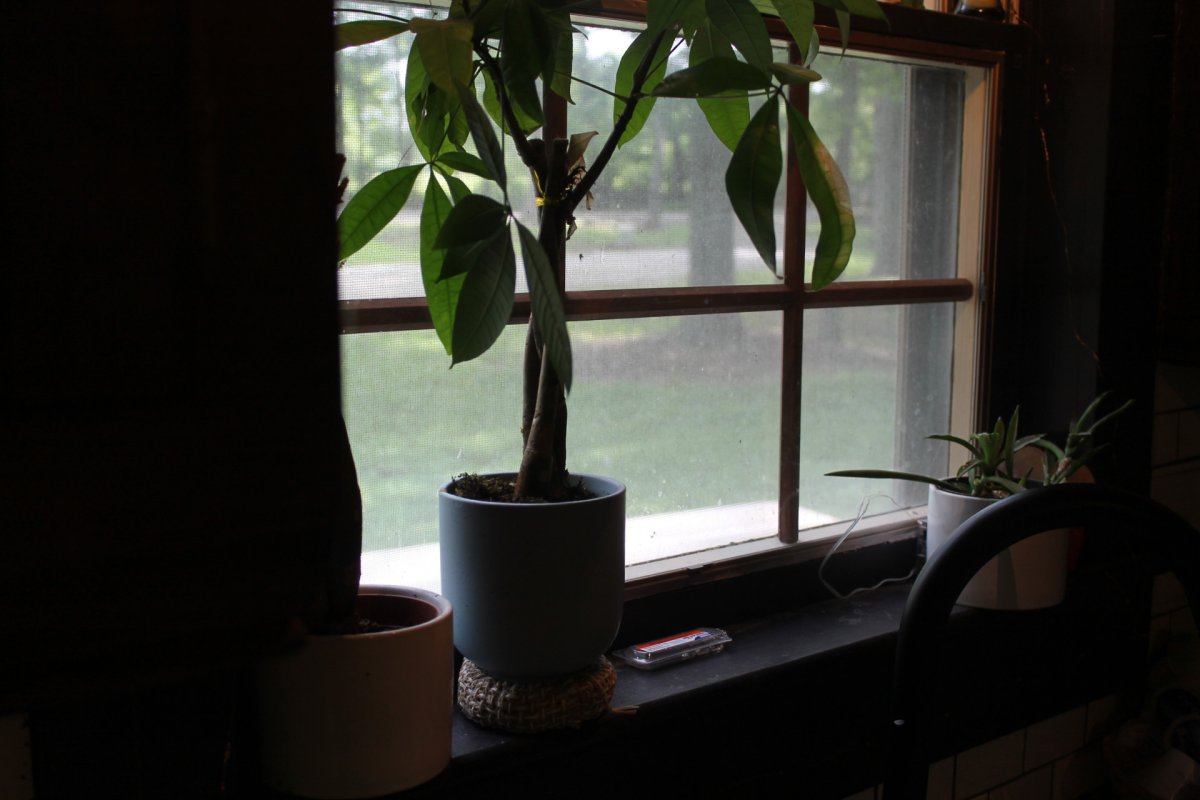
For testing, we placed these on a kitchen windowsill where an army of small ants had made their way inside. The results were impressive. Within 24 hours, we noticed a huge reduction in the number of ants near the window, and within 48 hours, not a single ant was to be spotted. We’ve kept a bait station on the windowsill for 6 weeks now, and the kitchen has been completely ant-free.
As for design, we found that using this ant killer was quite easy. All we had to do was snap the tab off of the station and place it in areas of ant activity. Once ants are eliminated, you can use the bait as a preventive measure by replacing the stations about every 3 months or as needed. But because the stations contain liquid that can be spilled, it’s advisable to keep them out of reach of children and pets.
Get the Terro ant killer at Amazon, Lowe’s, or The Home Depot (6-pack).
Best Spray
Ecologic Ant and Roach Killer
Photo: Katie Barton for BobVila.com
What We Like
- Essential oils make up the active ingredients
- Safe for use around pets and kids
- Kills a number of crawling insects
What We Don’t Like
- Did not work on large, black ants
Product Specs
-
Type:
Kill-on-contact -
Active ingredients:
Cornmint, cinnamon, and clove oils -
Application:
Spray
Our Ratings
| Ease of Use | 5/5 | Effectiveness | 3.7/5 | Value | 4.2/5 |
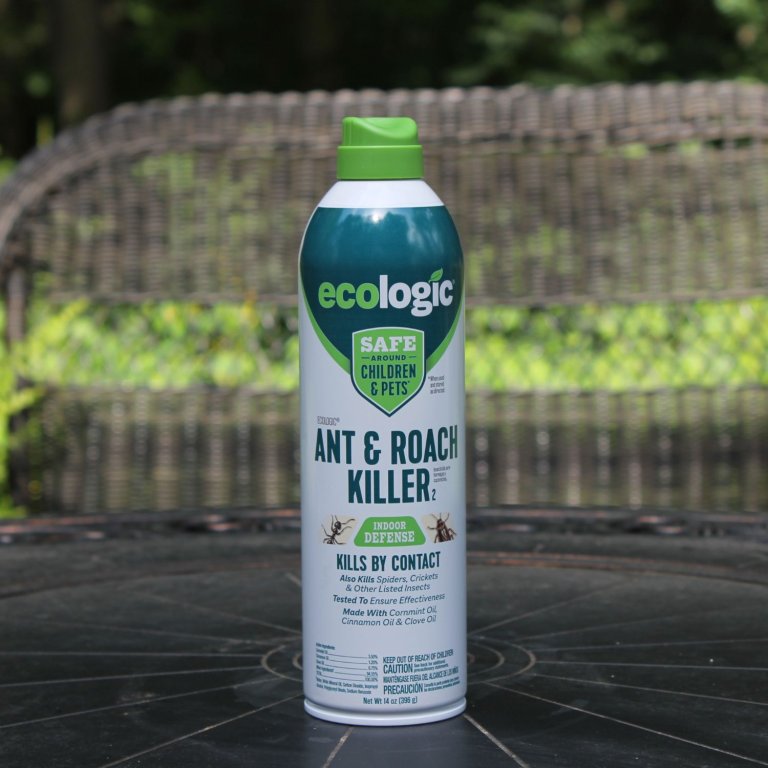
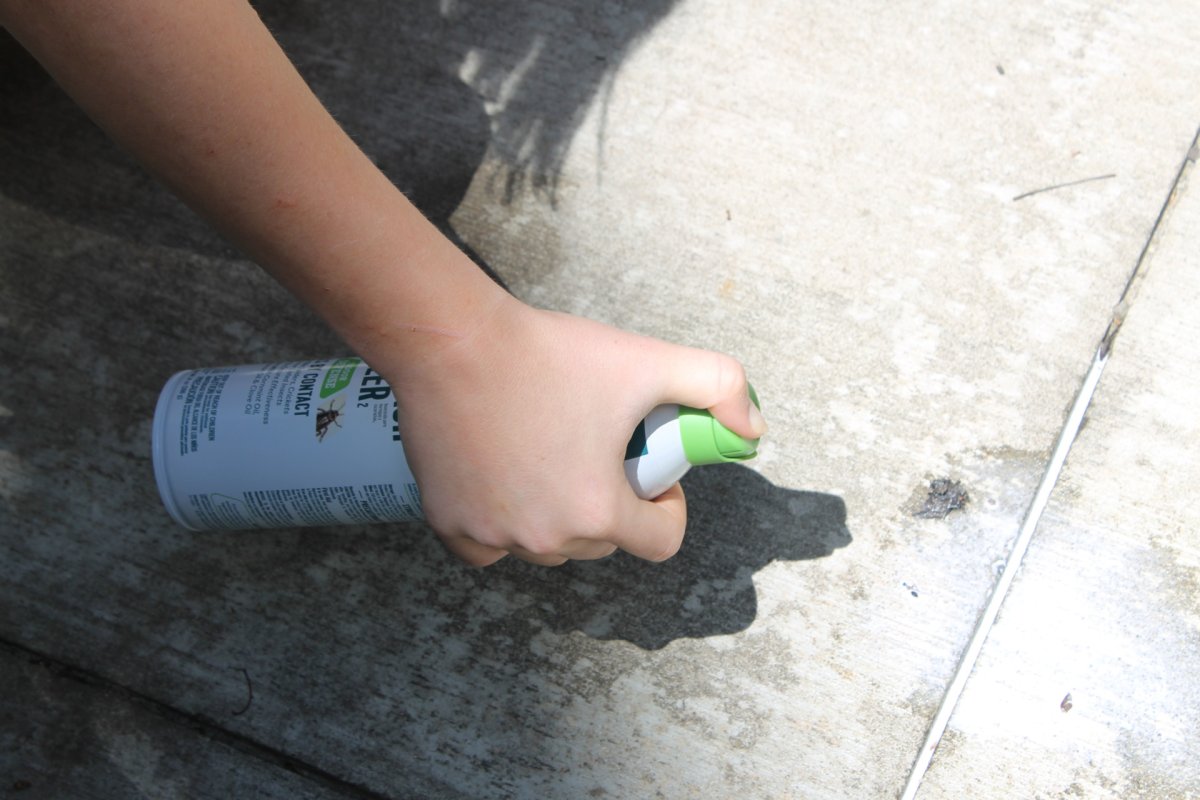
While ant-killing sprays provide an effective way to kill ants on contact, many use harsh chemical insecticides that you may not feel comfortable spraying in your home. The Ecologic Ant and Roach Killer Spray aims to solve this problem by using natural ingredients, such as cornmint, cinnamon, and clove oils, to kill ants and other crawling insects. It comes in an easy-to-use aerosol can and is safe around children and pets when used as directed.
We loved the idea of a safer-to-use bug spray, which made us excited to try this product. Unfortunately, our testing results were a bit mixed. We first tried it on a large black ant that had made its way into our home. We sprayed the ant a total of four times, and each time it got up and walked away, seemingly unfazed. We were ready to write this spray off, but then we took it outside and tested it on the ants swarming our patio. Lo and behold, one spray was all it took to wipe out all of the smaller ants covering our outdoor chairs.
We continued to use this product over a few weeks with consistent results–it killed small ants pretty easily, but was less effective against large black ants. So while the Ecologic ant killer might not be the cure-all for all ant infestations, it is handy for eradicating smaller species. It also features a pleasant cinnamon smell.
Get the Ecologic ant killer at Amazon.
Best Barrier
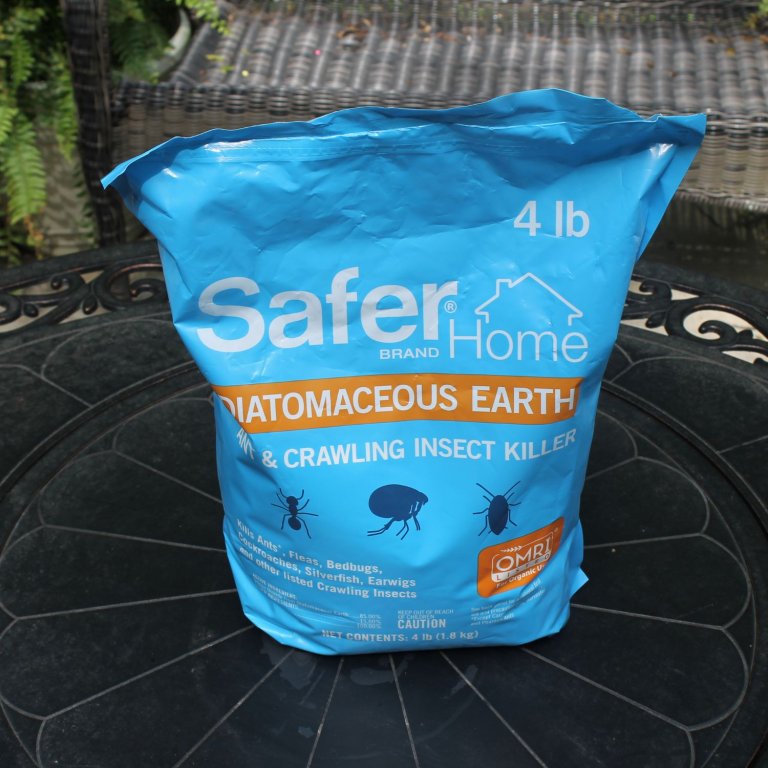
Photo: Katie Barton for BobVila.com
What We Like
- Mechanical killing prevents ants from building immunities
- Indoor and outdoor application
- Effective against ants, bed bugs, centipedes, and more
- OMRI listed for organic gardening
What We Don’t Like
- Takes up to 48 hours to see results
Product Specs
-
Type:
Slow-acting ant killer -
Active ingredients:
Silicon dioxide from diatomaceous earth -
Application:
Dust
Our Ratings
| Ease of Use | 4/5 | Effectiveness | 4.3/5 | Value | 4.5/5 |
To treat pest infestations without harsh chemicals, consider this ant killer by Safer Brand. It kills ants by cutting into the exoskeleton, causing dehydration and eventual death; it also works if ingested and can kill affected ants from the inside. Diatomaceous earth will typically kill ants within about 48 hours, making it an ideal ant killer for yard control. It comes in a large 4-pound bag, which we found to be more than enough for creating barriers around the home, with plenty left for use indoors.
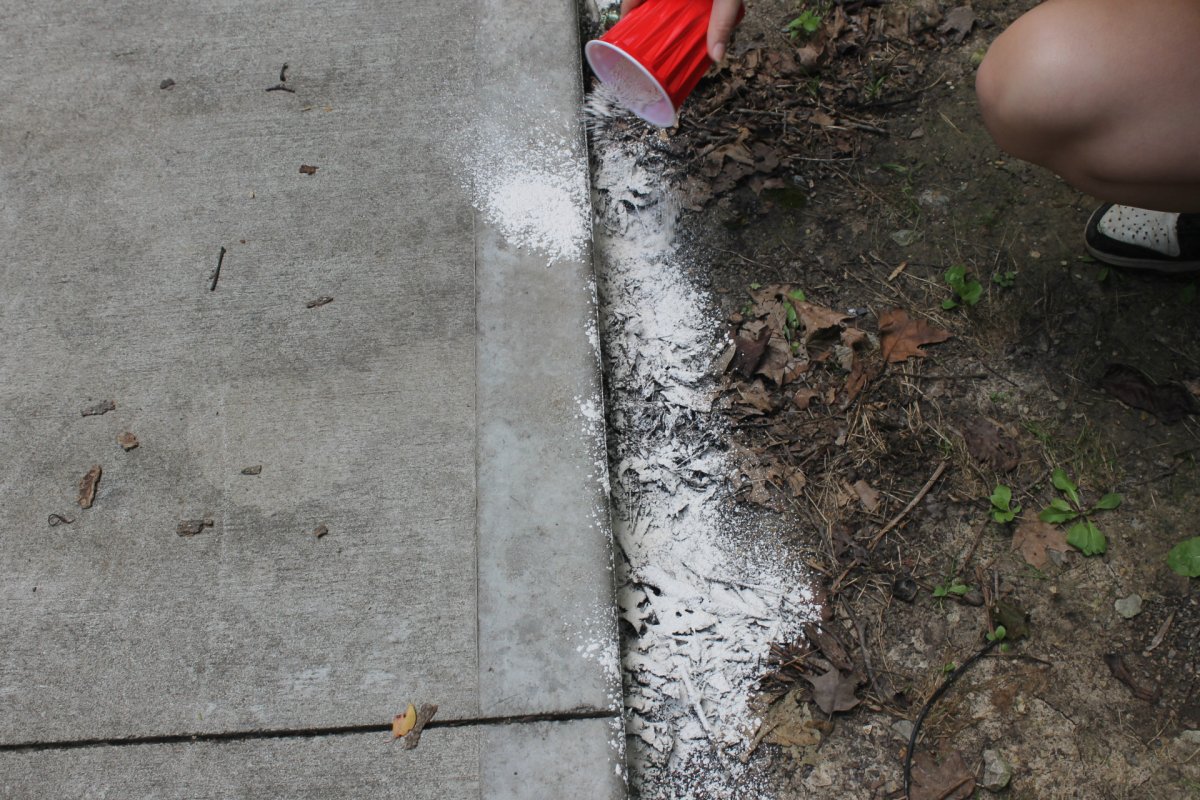
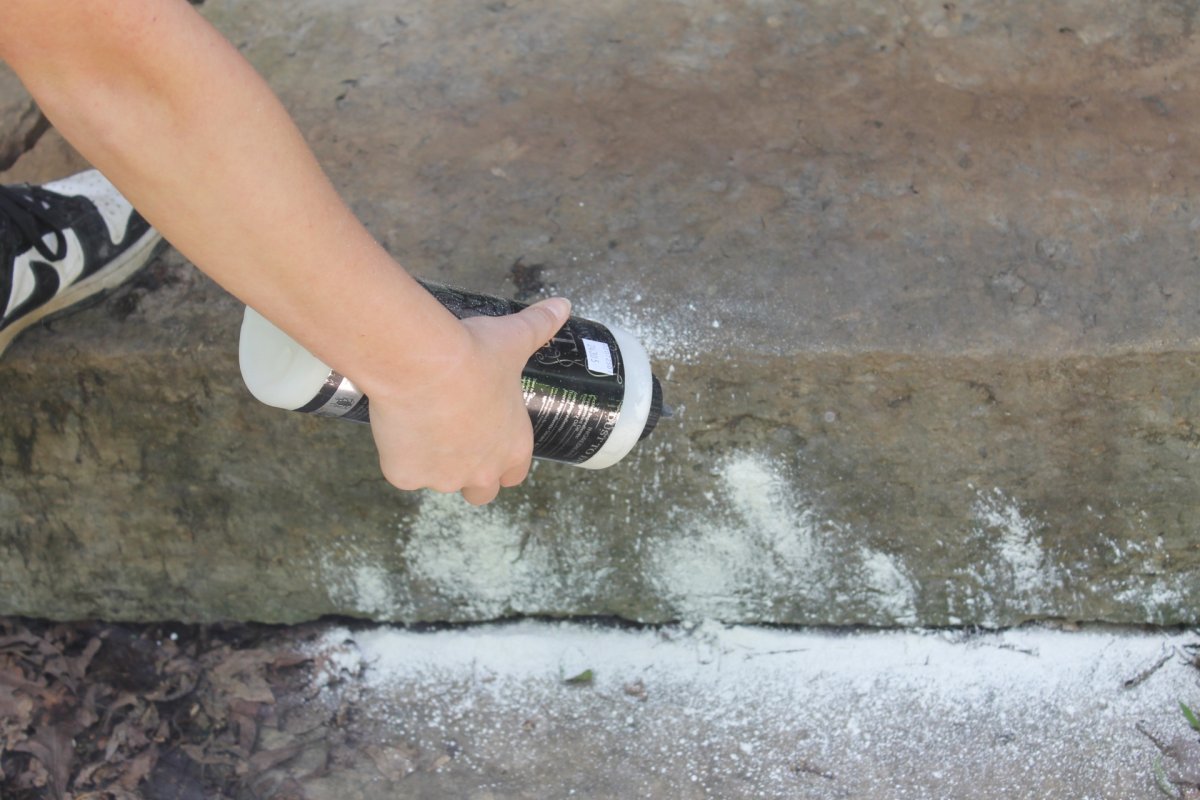
We had many ant nests around the exterior of our concrete patio, which was our first test spot. We used a disposable plastic cup to scoop up some of the dust and make a barrier around the patio and on top of the nests. After a couple of days, there was a reduction in the ants. However, the dust isn’t effective after it gets wet, so we had to reapply after each rainstorm.
This ant dust can be scattered indoors or outdoors in areas with high ant activity. To help prevent ants and other crawling insects such as fleas and cockroaches, you can spread it in a border around the home’s entry points or pour it into narrow cracks and crevices to kill existing ant populations.
Get the Safer Brand Diatomaceous Earth ant killer on Amazon, Ace Hardware, or The Home Depot.
Best Outdoor
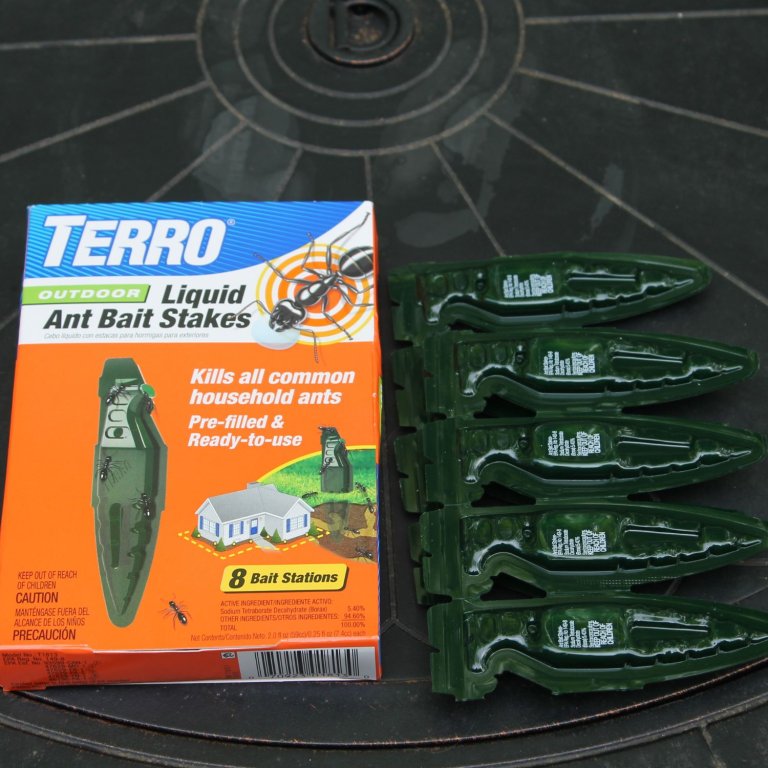
Photo: Katie Barton for BobVila.com
What We Like
- Weatherproof bait stakes suited for outdoor use
- Kills a wide range of ant species
- Transparent panel reveals bait amounts in each station
What We Don’t Like
- Difficult to insert into firm ground
Product Specs
-
Type:
Colony killer -
Active ingredients:
Borax -
Application:
Bait stations
Our Ratings
| Ease of Use | 4.5/5 | Effectiveness | 4.8/5 | Value | 4.7/5 |
When a yard is overrun with untreated ant colonies, home infestations may soon follow. Instead of waiting for the ants to move inside, consider employing Terro Outdoor Liquid Ant Killer Bait Stakes. Their active ingredient, sodium tetraborate decahydrate (borax), is housed in an enclosed, weatherproof compartment, making these stakes ideal for outdoor use. Each stake has a transparent panel showing the current level of ant-killing solution, making it easy to know when replacement is needed.
We found these stakes to be simple to use. Simply insert the bait stake into the ground and snip off the tab with a pair of scissors so pests can access the ant poison. However, since they’re made of thin plastic, it’s easier to place the bait stakes in loose or soft soil. We did get one in firmer ground, but it took a little finessing.
These stakes use borax, which quickly and effectively kills ants and ant colonies when shared with the queen and the rest of the colony. The area where we store our camper was overrun with several ant species, so we placed a few bait stations around the camper’s perimeter to prevent them from getting inside. Within a couple of days, we saw a huge reduction in the ant population and are happy to report that the inside of our camper remained completely ant-free.
What our tester says: “I like that the Terro outdoor ant bait stakes can take care of outdoor colonies close to the house, preventing them from finding their way indoors. These work really well.”—Katie Barton, Product Reviews tester and writer
Get the Terro outdoor ant killer on Amazon (12-pack), Lowe’s, Tractor Supply Co., Ace Hardware, or The Home Depot.
Best Bait
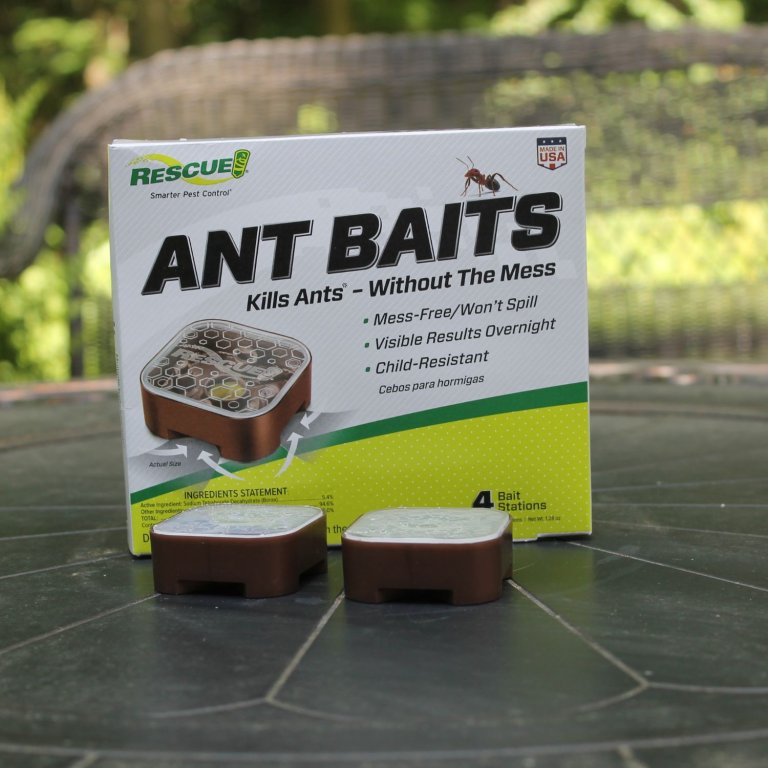
Photo: Katie Barton for BobVila.com
What We Like
- Child-resistant design
- Ready to use
- Won’t spill or leak
- Results within 24 hours
What We Don’t Like
- Ineffective against carpenter, harvester, fire, and pharaoh ants
Product Specs
-
Type:
Colony killer -
Active ingredients:
Borax -
Application:
Bait stations
Our Ratings
| Ease of Use | 5/5 | Effectiveness | 4.5/5 | Value | 4.5/5 |
Rescue! Ant Baits are an easy-to-use, mess-free solution to pest problems. The active ingredient, borax, is a powerful ant killer, and the bait is contained in strong, tamper-resistant plastic housing designed to avoid spills and leaks. (That said, the bait stations should be used and stored out of reach of kids and pets.) Place stations in areas frequented by ants, which will be drawn to the bait’s scent and then share the borax with the queen and the colony. Users can expect results within about 24 hours.
We loved that these feature a certified child-resistant design. One of our kids frequently leaves drinks on her windowsill, which had attracted a few ants. We placed these nearby, and 24 hours later, when we checked her room, only one ant was found. A couple of days later, there were no ants in sight.
While the design is wonderful, it should be noted that these baits are not effective for use as a harvester, fire, pharaoh, or carpenter ant killer. If those are the species you’re dealing with, an alternative ant killer will be needed.
Get the Rescue! ant killer on Amazon (2-pack) or Walmart (1-pack).
Best for Fire Ants
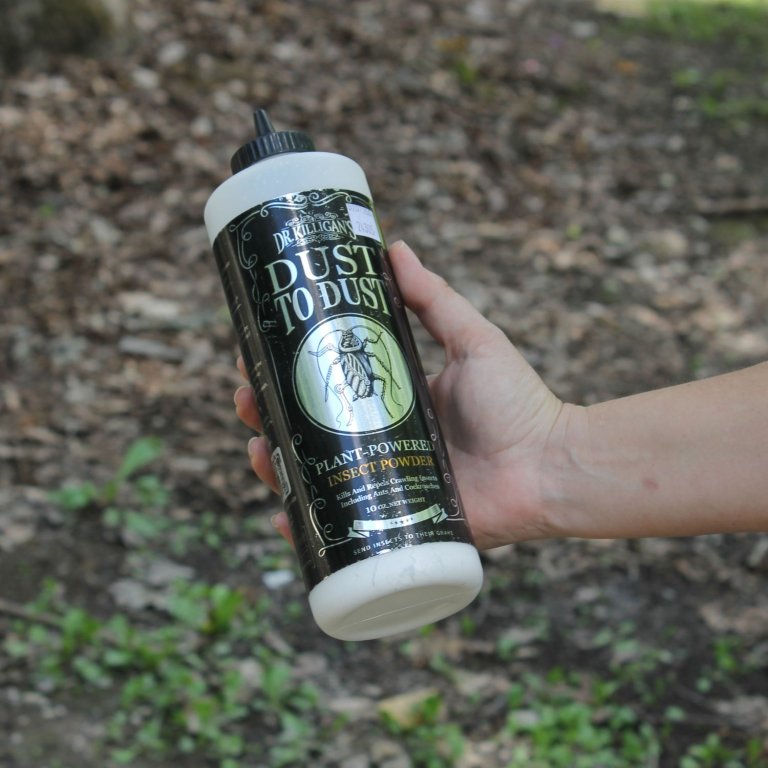
Photo: Katie Barton for BobVila.com
What We Like
- Safe for people, plants, and pets
- Kills over 100 insect types, including ants
- Versatile application methods
- Utilizes plant-powered ingredients
What We Don’t Like
- Small bottle size; may not go far
- Pricey compared to other ant killers
Product Specs
-
Type:
Slow-acting ant killer -
Active ingredients:
Peppermint oil and rosemary oil -
Application:
Dust (dry or wet application)
Our Ratings
| Ease of Use | 5/5 | Effectiveness | 4.3/5 | Value | 4.3/5 |
Finding effective insecticides that wipe out ants without posing safety risks to people or pets can be difficult. Fortunately, Dr. Killigan’s Dust to Dust Insect Powder eliminates more than 100 insect species (including many common ant species) using its essential-oil nanotechnology. It even acts as a fire ant killer and may kill flying ants such as carpenter ants. It won’t harm people, pets, or plants when used as directed.
This dust can be applied as a barrier around the ant-infected space or made into an ant spray by mixing one part powder with 16 parts filtered water in a spray bottle. It can kill on contact and residually for up to 30 days, offering protection against many types of crawling and flying insects.
We used these ant killer granules around the front of our porch as a barrier. The applicator bottle made it easy to apply, and we appreciated that, unlike Diatomaceous Earth, it’s still effective once wet, so we didn’t have to worry about reapplying every time it rained. We noticed a reduction in ants after a few days and appreciated the light smell and safer ingredients. This ant killer is costly compared to others, so instead of making a barrier around our entire house, we used it sparingly, targeting where ants were likely to make their way in.
Get Dr. Killigan’s ant killer at Amazon or Dr. Killigan’s.
Or, DIY Your Own Ant Killer
Want to combat ants without purchasing commercial products, like liquid ant-killer, sprays, and ant baits? Simply mix up a batch of this effective DIY pest-control formula of borax, sugar, and water, and create your own bait with cotton balls on a paper plate.
- Fill a small container with ¾ cup warm water.
- Stir in 1 tablespoon of borax and ⅓ cup sugar.
- Mix until the borax and sugar are completely dissolved.
- Soak cotton balls in the solution, then place them on a paper plate.
- Set the paper plate near areas with ant activity.
The sugar will attract ants, and the borax will kill them. Using cotton balls and paper plates helps to keep things tidy.
Want to try deterring ants naturally to prevent future infestations? According to Baldwin, peppermint oil should do the trick. “Studies have suggested that peppermint oil can work as an effective, natural repellent for ants around the home,” he says. “Peppermint oil works by disrupting the ants’ communication and navigation systems, deterring them away from scent.”
Jump to Our Top Picks
How We Tested the Best Ant Killers
| Products tested | 7 |
| Time spent testing | 6 weeks |
| Tests performed | 4 |
| Price range | $8 to $18 |
The best ant killer can ensure that both the home and garden are amply protected against fire ants, carpenter ants, odorous ants, pavement ants, and more. However, we also prioritized pest-control products with formulas safe for homes with pets and children when treating ant infestations. In addition, we searched for products with high customer ratings. We chose seven ant killers to test that fit these criteria and that treated common ant-infested areas both indoors and outdoors.
Testing was conducted for 6 weeks. We used the ant killers as instructed via the packaging, placing them in areas frequented by ants so that we could fairly assess their effectiveness. We checked for results at 24, 48, and 72 hours, and then weekly. A rubric survey was used to record our findings, allowing us to compare these ant-killing products against one another. We rated each option on its ease of use, effectiveness, and value. At the end of testing, we tallied up our scores to find the winner.
Our Testing Scores
| Product | Ease of Use | Effectiveness | Value |
| Safer Brand Home Spider & Insect Traps | 5/5 | 4.7/5 | 4.7/5 |
| Terro Ant Killer Liquid Ant Baits | 5/5 | 4.5/5 | 4.8/5 |
| Ecologic Ant and Roach Killer | 5/5 | 3.7/5 | 4.2/5 |
| Safer Brand Home Diatomaceous Earth | 4/5 | 4.3/5 | 4.5/5 |
| Terro Outdoor Liquid Ant Bait Stakes | 4.5/5 | 4.8/5 | 4.7/5 |
| Rescue! Ant Baits Indoor Ant Killer | 5/5 | 4.5/5 | 4.5/5 |
| Dr. Killigan’s Dust to Dust Insect Powder | 5/5 | 4.3/5 | 4.3/5 |
What to Consider When Choosing an Ant Killer
Not all ant killers work the same. Ingredients, how they’re applied, and the types of ants they target can vary, so it’s important to choose an ant control product carefully.
Keep these factors in mind when shopping for ant killers. Whether you want an ant bait or something with a more natural pest control approach, these considerations will help you make the best choice for your home.
Ant Species in Your House
Before purchasing an ant killer, you should identify the types of ants invading your home or yard, says Baldwin. “There are thousands of ant species in the world, but only a few are known to be in or around our homes. Knowing how to identify the type of ant invading your home is the first step in trying to treat them.”
To ID a particular pest, reference AntWeb, an online database of every ant species worldwide. That said, folks in North America most likely will encounter one or more of the following:
- Odorous house ants are small brown or black insects that nest in walls and under floors. They are drawn to sugar and are most active in the spring and summer months.
- Pavement ants are brown or black in color. They commonly swarm over paving tiles in what looks like an epic battle with other pavement ants. Some pavement ants, known as alates (or swarmers), have wings and can fly to begin new colonies.
- Carpenter ants are one of the largest ant species in North America. As the name implies, carpenter ants have a fondness for wood. This destructive species, which contains both swarmers and workers, bores holes in walls, floors, and ceilings, leaving telltale piles of sawdust in their wake. If this is the species you’re dealing with, be sure to use one of the best carpenter ant killers to eradicate them promptly.
- Fire ants, which are small and reddish brown in color, build mounds in the yard that look like piles of loose dirt. Fire ants pose the most immediate threat to humans and pets, as their painful sting produces a burning sensation as well as swelling and itching. Those allergic to insect stings must be especially careful, since fire ant venom can cause swelling of the throat and trouble breathing.
Types of Ant Killers
Ant killers come in three main types: colony killers, kill-on-contact pesticides, and slow-acting ant killers, each of which uses different active ingredients.
Colony Killers
Colony killers typically use bait to draw insects in with attractive scents and tastes and provide small pieces of poisoned bait that ants can carry back to the colony. Active ingredients like fipronil or hydramethylnon have a delayed effect, which allows the worker ant to carry or ingest the bait without dying immediately.
Therefore, the ants either return the bait to the nest for consumption or die within the nest, where their bodies release the poison. Colony killers are generally considered the best option when users are unsure of the nest’s location.
Kill-On-Contact Pesticides
Kill-on-contact pesticides use active ingredients such as deltamethrin or D-limonene to kill ants and other insects when applied directly. The ingredients can destroy the nervous system or exoskeleton of individual ants, but ants do not carry the product back to a nest. Due to this limitation, kill-on-contact solutions are best for perimeter defense or if the nest is visible.
Slow-Acting Ant Killers
Slow-acting ant killers, like diatomaceous earth, do not wipe out the colony because the transference between ants is relatively limited. These ant killers can take 1 or 2 days to kill the affected ants, but they tend to be more environmentally friendly and safer around people and pets. They can treat many ant species, and can work as a fire ant killer.
Active Ingredients
Ant killers either have a delayed onset or work instantly, depending on the active ingredient. For serious infestations that include daily sightings of 10 or more ants in a given area, both an instant killer and a delayed-onset poison to target the nest can knock out the problem.
Borax, hydramethylnon, and fipronil have delayed onset, allowing ants to gather the poison and return it to the colony and distribute it. They also signal other ants to go retrieve more poison.
Delayed-onset ant killers poison within 24 to 72 hours; however, the length of time needed to destroy a nest depends on poison placement, nest population, and many other factors. In general, delayed-onset poisons should be used continually until the bait is no longer being taken and ants are no longer seen.
The chemical deltamethrin is among the active ingredients that work immediately by interfering with ants’ central nervous systems. For a natural alternative, D-limonene, which is made of up to 95 percent of the components in orange-peel extract, deteriorates the coating of the respiratory system, causing ants to suffocate.
Application Type and Placement
Ant killers can be applied in a wide variety of ways. Choose the method that suits the location and severity of the infestation as well as the makeup of the household.
- Bait stations are small plastic containers into which ants enter, grab a piece of poisoned bait, and march back home none the wiser. To keep kids and pets away from harmful poisons, place bait stations in low-traffic areas, such as behind appliances or in a crawl space. These work well for ant control in the house.
- Gel baits are squeezed into cracks or behind appliances. Ants slowly consume the gel over time, sealing their colony’s fate.
- Liquid baits can be suspended on small stakes in the yard. A diagonal opening ascends like a staircase, allowing ants to take bait from each step of the access hole at the same time. Liquid ant-killer bait can also be used in simple bait stations.
- Granule bait may be sprinkled in or around a nest. Ants grab the individual granules and return to the colony.
- Sprays can be aimed directly at ants or applied as a surface poison that is absorbed through the ants’ exoskeletons. If you have furry friends in the home, look for an ant spray safe for pets.
- Ant traps that work best for trapping crawling insects feature a strong adhesive rather than a chemical insecticide. These can be placed in frequent paths of ant travel.
- Ant dust is a powder that kills through contact or ingestion. It can be used to create a perimeter around a home or to seal off cracks and other entry points.
Prior to treating an ant infestation, consider the safety of people and pets in the home. Some bait stations and gels use bright colors to draw attention to their threat, but these colors can attract children and animals looking for a toy or treat. Put bait stations only where kids and pets can’t access them. Sprays and ant dust can be absorbed through household members’ skin, posing a serious risk if used in high-traffic areas.
Fortunately, D-limonene, the natural active ingredient in some kill-on-contact pesticides, is harmless to humans and pets. However, it’s not as potent against ants as some synthetic chemical insecticides, and it won’t be useful against an unseen nest.
Additional Features
Ant killers may include extra features such as stay-fresh tabs that keep the bait as potent as possible or helpful applicators, like a syringe for gels or a shaker for ant dust. Bait stakes work out in the yard or garden, and some of the best insecticides for outdoor use are encased in a waterproof container to keep the active ingredient from being washed away.
FAQs
Those who still want more information on the best ant killers and how they work can read on for answers to several commonly asked questions about these pesticides.
Professionals rely on a variety of products based on the location and severity of the infestation. Common active ingredients used in professional ant killers may include abamectin, cyfluthrin, fipronil, permethrin, bifenthrin, hydramethylnon, pyrethrum, and boric acid.
You can get rid of an ant infestation using contact ant killers as well as ant baits, which lure the insects in and allow them to bring the poison back to the nest. This multi-pronged approach can immediately kill the ants you see and destroy the entire colony.
Products with the active ingredient D-limonene are environmentally safe and nontoxic to people and animals.
Spotting a trail of ants indoors is a common sign of an ant infestation. Also look for ants crawling out of small cracks in baseboards, walls, or near windowsills.
Early spring is one of the best times to treat for ants. Treating early, when the ants emerge from winter dormancy, may help prevent larger infestations down the line.
Meet the Tester
Katie Barton is a home and garden freelance writer and editor who lives in a cabin in the middle of the woods, surrounded by pesky ants. She looks for the most effective products at the best value.
Additional research provided by Timothy Dale.
The post After 6 Weeks of Testing, We Found the Best Ant Killers appeared first on Bob Vila.