
We may earn revenue from the products available on this page and participate in affiliate programs. Learn More ›
Squash bugs showed up in force in my garden last year. Worried that they’d come back, I skipped growing zucchini this year and sowed my cucumbers in a different raised bed. But the squash bugs are back with a vengeance, so I’m formulating a plan save my current and future cucurbit plants, which are now primarily cucumbers and zucchini. I’m not a fan of chemical pesticides so I’ll get rid of the squash bugs naturally, which means hands-on removal of adults and the eggs they lay on the undersides of leaves or near the crown of the plant.
When squash bugs feed on the large leaves of pumpkins, squash, and cucumbers, they suck sap from the tissues; at the same time, they inject toxins into the plants. The leaves begin to wilt, blacken, dry up, and turn brittle. The pests are also vectors for a few diseases, including Anasa wilt of cucurbits and a relatively new and spreading threat called yellow vine decline.
If you spot squash bugs or their eggs on your squash plants, it’s important to act quickly to prevent a full-blown infestation. Mature bugs can be difficult to kill, but with a bit of diligence, homeowners can protect their prized pumpkins and savory squash from damage. Here’s what you can do to keep squash bugs from harming your harvest this year and in years to come.
What are squash bugs?
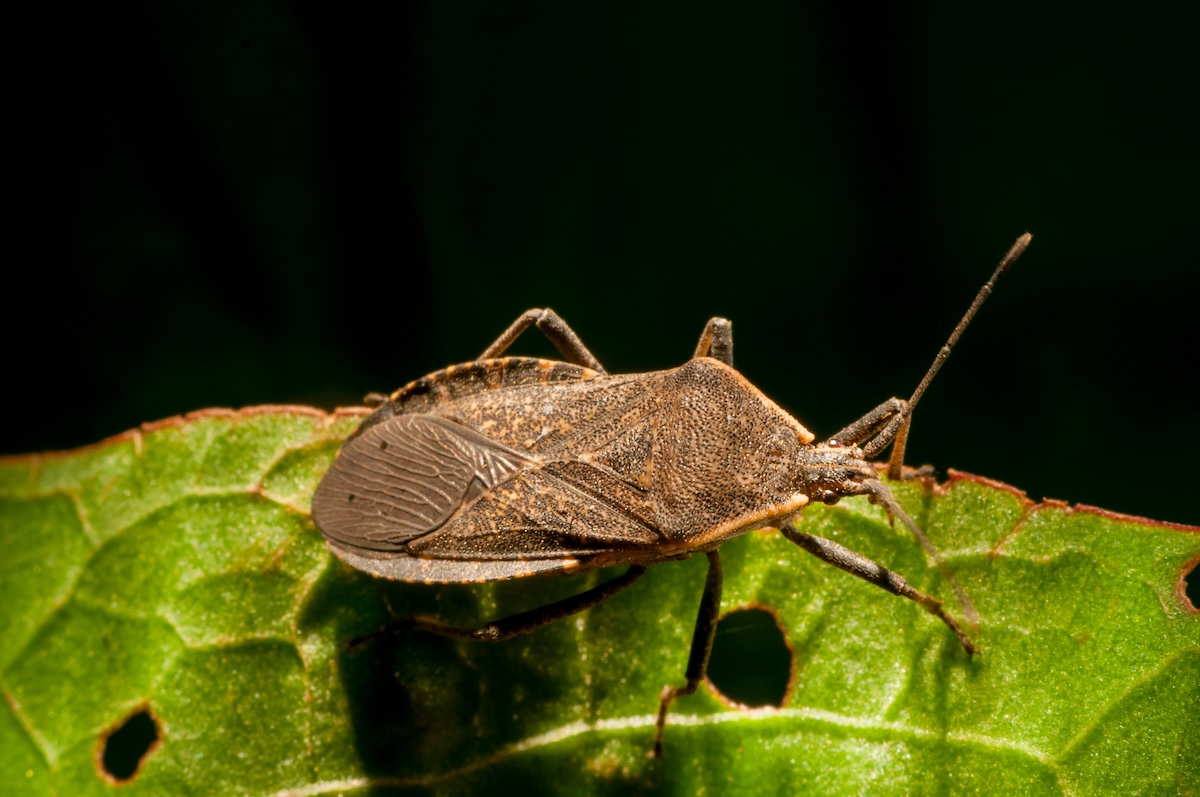
Squash bugs (Anasa tristis) can wreak havoc on your garden, doing the most damage to zucchini, squash, and pumpkins. They feed on leaves and, to a lesser degree, on fruits and stems. Megan Wede, co-owner of Minneapolis-based Done Right Pest Solutions, says it’s important to know what to look for when identifying squash bugs. Adult squash bugs are typically grayish brown and wide at the abdomen. Their copper-colored eggs are clustered on the underside of leaves, often between leaf veins.
Squash bugs are typically most active during the warm summer months, congregating on the undersides of leaves. The eggs hatch in about 10 days, becoming small gray nymphs that undergo several molts before reaching adulthood. The adults can live through winter under the shelter of plant debris, rocks, or buildings. Since they walk and even fly short distances, they can find their target cucurbit plants even when you rotate crops in your garden.
Before You Begin
Before trying to get rid of squash bugs manually, put on protective gloves. Squash leaves and stems can irritate the skin, thanks to their trichomes, tiny, stiff, hairlike structures. You can usually kill squash bugs naturally, so try to avoid using potentially harmful chemical pesticides that can disrupt surrounding plant and insect life.
Ways to Get Rid of Squash Bugs
Combating squash bugs in the garden requires a vigilant, multipronged approach. It will be easier to spot and control the bugs if you avoid planting crops like zucchini or cucumbers too close together. If you see squash bugs or any signs of them on your plants, try these expert-backed methods.
Remove squash bug eggs from leaves.
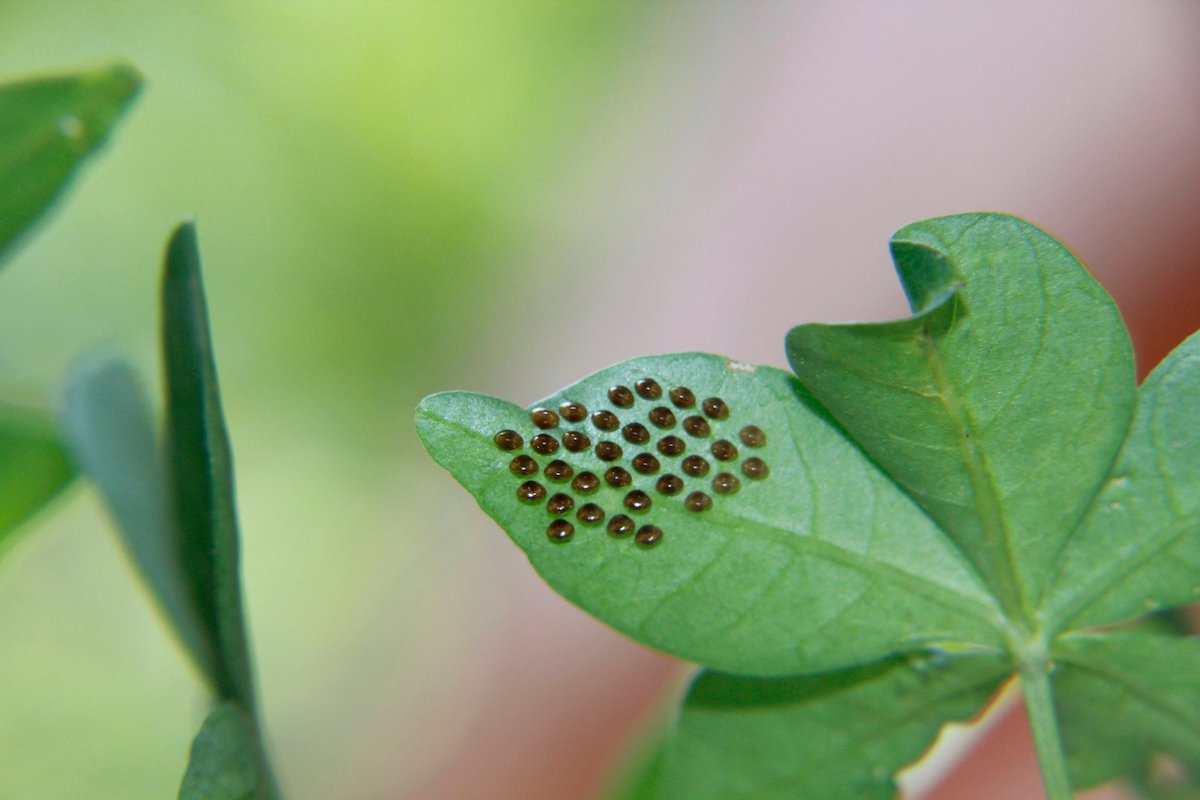
Eliminating eggs is an easier way to control these pests than attacking adult squash bugs. Be on the lookout for egg clusters on the undersides of leaves and at the crown of the plants. “Check your squash or pumpkin leaves daily for squash bug eggs,” says Wede. “They are always laid on the underside of the leaves, and they are red and stuck to the leaf. Squish these eggs to prevent any hatchings.”
You can also scrape squash bug eggs off with a butter knife or use strong tape to peel them off and dispose of them. Even when you think you have eliminated all the eggs, check again every week. Their short life cycle means new eggs might have appeared since your last check.
Flick adult bugs into soapy water.
If you find a handful of squash bugs on your plants, pick them off with your gloved hand and flick them into a container of dish soap mixed with water, where they’ll get trapped and drown. Repeat this process every few days until all squash bugs are eliminated. The bugs move quickly, so if you can’t pick them off, shaking the leaf above a wide-mouth container of soapy water might be easier. In a pinch, you can shake the bugs off the leaf onto bare ground and step on them.
Set nighttime traps.
An approach called scouting can help get rid of squash bugs naturally. The bugs tend to gather on the undersides of logs or wooden boards at night, so you can set out a board or even a strip of heavy cardboard for them to hide under. Place the shingle or board in the garden in the evening, and check underneath it for squash bugs in the morning. If you’ve attracted any bugs, immediately place the board or shingle on a hard surface and step on it, smashing the bugs underneath. You’ll need to do this daily until you no longer see squash bugs on your plants.
Use diatomaceous earth as a last resort.
Hand removal or destruction of squash bugs usually works well enough to make chemical controls unnecessary. Plus, given concerns about the environment and the safe consumption of edible plants, it is always best to avoid pesticides. However, if you are unsure whether you have removed all adults or know you have a few stragglers, you can apply food-grade diatomaceous earth around the base of each squash plant. The powder works on contact but is not toxic to pets or people. Although the treatment is allowed in organic vegetable production, be sure to follow all safety precautions and reapply after rain.
Trellis squash plants.
Your cucumbers and melons are less accessible to squash bugs if they are trellised, minimizing the vines’ contact with the ground. Growing squash and vining cucurbits on trellises also makes it easier to inspect plants for signs of squash bugs and to remove any you find. Most cucurbits are easy to train on any type of trellis by weaving the vines and tendrils through openings. You can even train heavier melons or pumpkins by creating a sort of sling or hammock from old pantyhose, netting, or a commercial hammock to help support their weight.
How to Prevent Squash Bugs
Prevention is always the best method for squash bug control. After eliminating squash bugs, home gardeners can take several precautions to keep squash bugs away.
Use trap plants.
Although this method works better for farms, even home gardeners can try planting a sacrificial plot of cucurbits near, but not in the same bed as, the squash you’d like to harvest. The bugs are particularly attracted to blue hubbard squash, but yellow crookneck and yellow straightneck squash are also good candidates.
Planting a trap crop a few weeks before planting pumpkins or other gourds has been shown to be effective at minimizing squash bug activity on desired edible plants. However, you still have to be vigilant in removing all eggs or adults from the trap plant bed for this method to work. Do not plant cucurbits in the trap bed area for 2 years if possible.
Place row cover over young plants.
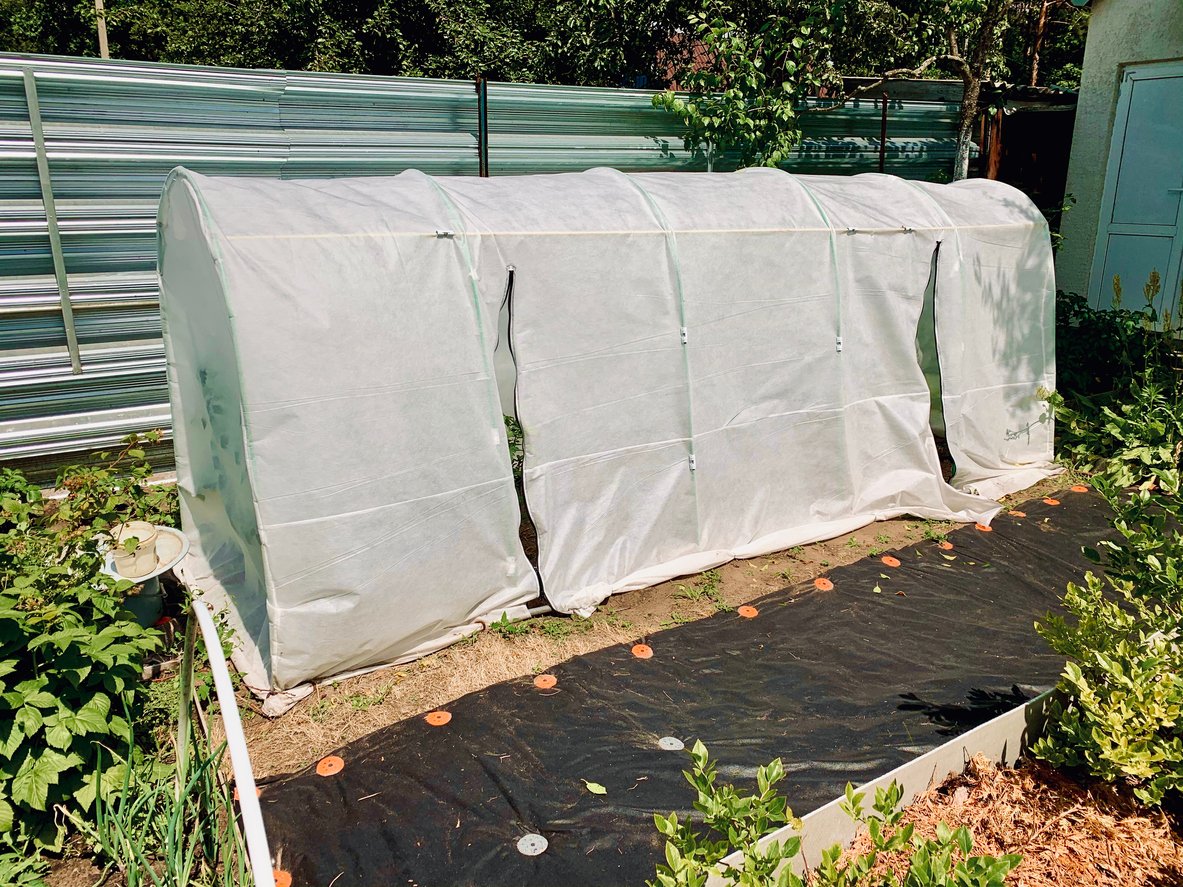
Keep the insects away from young plants by covering crops with floating row cover material. Tightly secure the edges of the fabric with sandbags, dirt, bricks, rocks, or other heavy objects. The spun fibers of row covers let in water, air, and light, but insects like squash bugs can’t penetrate them.
This prevention method is effective only while squash plants are young. Once your cucumbers, zucchini, or other cucurbits develop flowers, you’ll need to remove the covers to allow for pollination and growth. Using a combination of trap plants and row covers can be even more effective.
Plant resistant varieties of squash.
Some types of squash, like butternut, royal acorn, and sweet cheese, tend to resist squash bugs. On the other hand, yellow crookneck summer squash is highly susceptible to damage from the insects. If your garden has been prone to squash bug infestation in the past, consider planting disease-resistant varieties or zucchini, which might still attract squash bugs but holds up better to their damage. Check with your local extension agency or scan seed packets for help identifying the best cucurbits to grow in your area to resist squash bugs.
Make your garden inhospitable for overwintering.
Squash bugs can overwinter in soil and debris from squash vines, mulch, and other plants, so try to limit the spots where they can hide. Clear all squash vines and surrounding debris at the end of the growing season, either by burning them or disposing of them in yard waste bags that are picked up by your municipality. Also, avoid putting mulch or straw close to the base of your plants.
Keep squash plants healthy.
Good cultural controls and attention can keep plants healthy enough to fight off squash bug-related damage or diseases. Water plants regularly and deeply to establish strong roots and fertilize them as recommended, with a general-purpose fertilizer or organic matter at planting and a side dress of nitrogen as vines develop runners. Finally, pay close attention to your plants, checking them often for eggs, nymphs, or adults, and training them on a trellis if possible as they grow.
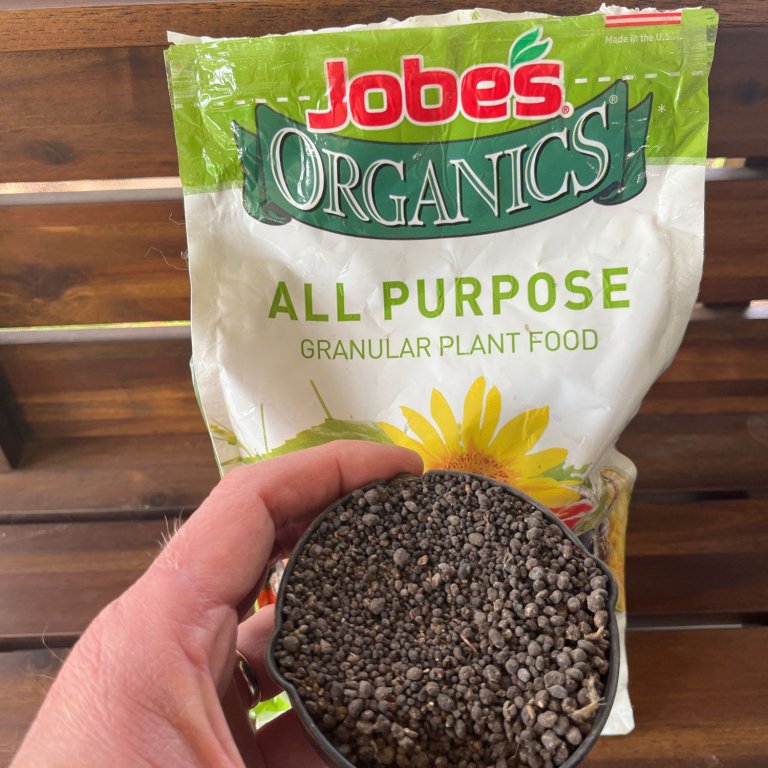
Photo: Mark Wolfe for BobVila.com
Jobe’s All Purpose Organic Granular Fertilizer
This organic, OMRI-listed fertilizer from Jobe’s has bacteria, mycorrhizal fungi, and archaea with a balanced 4-4-4 NPK ratio. Read the review.
Photo: Mark Wolfe for BobVila.com
Rotate cucurbit plants or skip a year.
Even with all your efforts, it can be tough to get rid of squash bugs permanently, as a few can overwinter in soil and debris. Skipping all plants in the squash family for an entire season could give the bugs time to depart the soil. As I discovered, rotation doesn’t always work, since squash bugs can move to a new spot, but rotating squash crops with other plant families can cut down on the number. I’ve grown cucumbers in a large container far from the garden to provide a small harvest in a skipped year. Look for bush types or place the pot where you can train the vines.
Final Thoughts
Squash bugs can have a devastating impact on gourd crops, sucking the life out of stems and leaves and killing the plant. But careful management of eggs, nymphs, and adults can help eliminate these aggravating pests. For squash bugs, manual and cultural controls can work without the need for chemicals.
FAQ
The best and most eco-friendly way to kill squash bugs is by hand (or foot). Drop them into a jar or other container filled with soapy water. They can’t escape and will drown. Scrape squash bug eggs from the underside of leaves and dispose of them or drop them into the same soapy water. If you find a group of the bugs on the bottom of a board or similar object, step on it hard to squish the bugs.
Although seldom necessary, severe infestations might require an insecticide if manual controls fail. Start with food-grade diatomaceous earth. If you must use a stronger product, look for one with permethrin as an active ingredient. Treat early in the growing season and avoid spraying the flowers with insecticides, which can kill pollinators. According to Wede, one application might not be sufficient: “In my experience, reapplication would always be the key with any sort of repellent. Reapplication after any sort of wet weather or even just every few days is essential to keeping these damaging pests off of plants.”
Squash bugs and squash vine borers are distinct vegetable garden pests that pose different challenges to squash cultivation. Squash vine borer adults are ½-inch-long moths with greenish-brown wings and an orange abdomen with black dots. While squash bugs hang out around the leaves and lay their eggs there, squash vine borers lay their eggs at the base of plants. Their white larvae tunnel into the stems, where they feed, blocking the flow of water into the plant.
Certain species of squash bugs and stink bugs look similar, but the bodies of stink bugs are wider and more shield-shaped, while squash bug bodies are more rectangular until you get near the head. Squishing a stink bug, as the name suggests, has odiferous consequences—an odor akin to sulfur, ammonia, and rotting meat.
There is no evidence that vinegar kills squash bugs. Picking them off by hand and destroying them is the most eco-friendly method to quash an infestation.
There is no evidence that coffee grounds deter squash bugs.
Although there are reports of spraying dish soap on squash bugs to suffocate them, dish soap can damage your plants. The best way to use the soap for squash bug control is to mix it with water, pick the bugs off the plants, and then drown them in the solution.
Insecticidal soaps designed for use in the garden are a safer choice for plants. Still, spraying the bugs with insecticidal soap only reduces new egg production and is not likely to kill adult squash bugs.
Neem oil can slow down squash bug reproduction by reducing the number of eggs the adults can lay. It won’t kill adults, however. Be sure to spray the undersides of leaves when using neem oil or insecticidal soap to control squash bug eggs. When diluted and used as instructed, the product is not toxic to birds, mammals, bees, or plants, although it is slightly toxic to fish and other water life.
The post How to Get Rid of Squash Bugs—and Keep Them out of Your Garden for Good appeared first on Bob Vila.