
We may earn revenue from the products available on this page and participate in affiliate programs. Learn More ›
Post hole diggers are designed to dig deep, narrow holes that are ideal for installing posts. These tools are frequently used by landscapers and deck building experts to put in fences, decks, pergolas, and gazebos, but they can also be used to install basketball hoops, mailboxes, lamp posts, flag poles, and more.
In this article, we will be providing clear steps for using both a manual post hole digger and a powered post hole digger, which is also sometimes called an auger post hole digger. You can purchase a manual tool to keep at home, invest in a powered post hole digger if you tend to do a lot of fencing or deck building projects, or simply rent a post hole digger from a home improvement or tool rental store. Use this guide to learn how to use a post hole digger so that you can tackle the next DIY project that requires post or pole installation.
Types of Post Hole Diggers
Having a basic understanding of your tools is essential for any project. Without knowing the difference between the main types, even the best post hole digger may not be the right choice depending on the job.
Manual Post Hole Digger
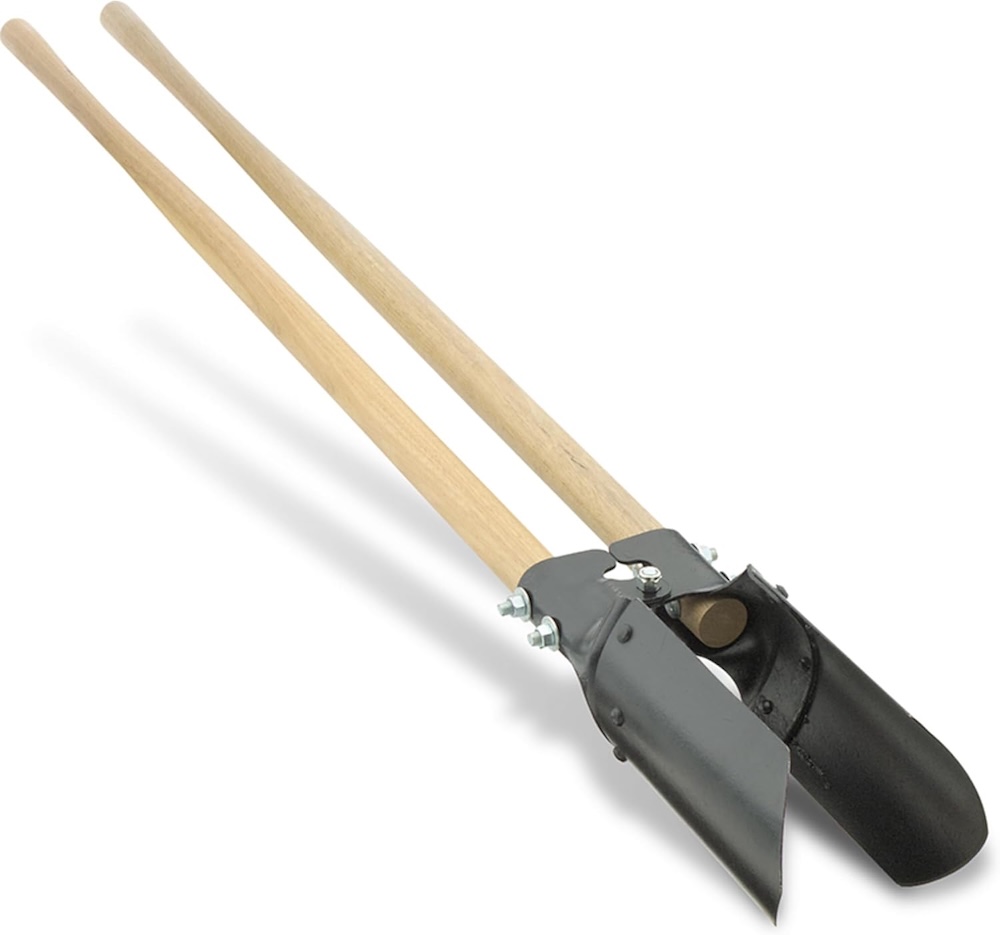
There are two main types of manual post hole diggers, including clamshell diggers and manual earth augers.
- Clamshell diggers are the most common type with two opposing concave metal blades that are attached to long handles. Simply pull the handle apart to pinch the dirt, then lift the soil out. These are most suitable for loose dirt and shallow holes, such as when you are planting a bush in the garden.
- Manual earth augers have a spiral, screw-like blade that drives down into the ground when you turn the T-handle. You then have to pull the tool up to remove the displaced dirt, but while these tools require significant physical effort, they create clean, precise holes that are ideal for installing mailboxes and freestanding bird feeders.
Our Recommendation: Ames Post Hole Digger – Get at The Home Depot for $66
Dig safely in areas with a lot of obstructions with the manual Ames post hole digger.
Powered Post Hole Digger
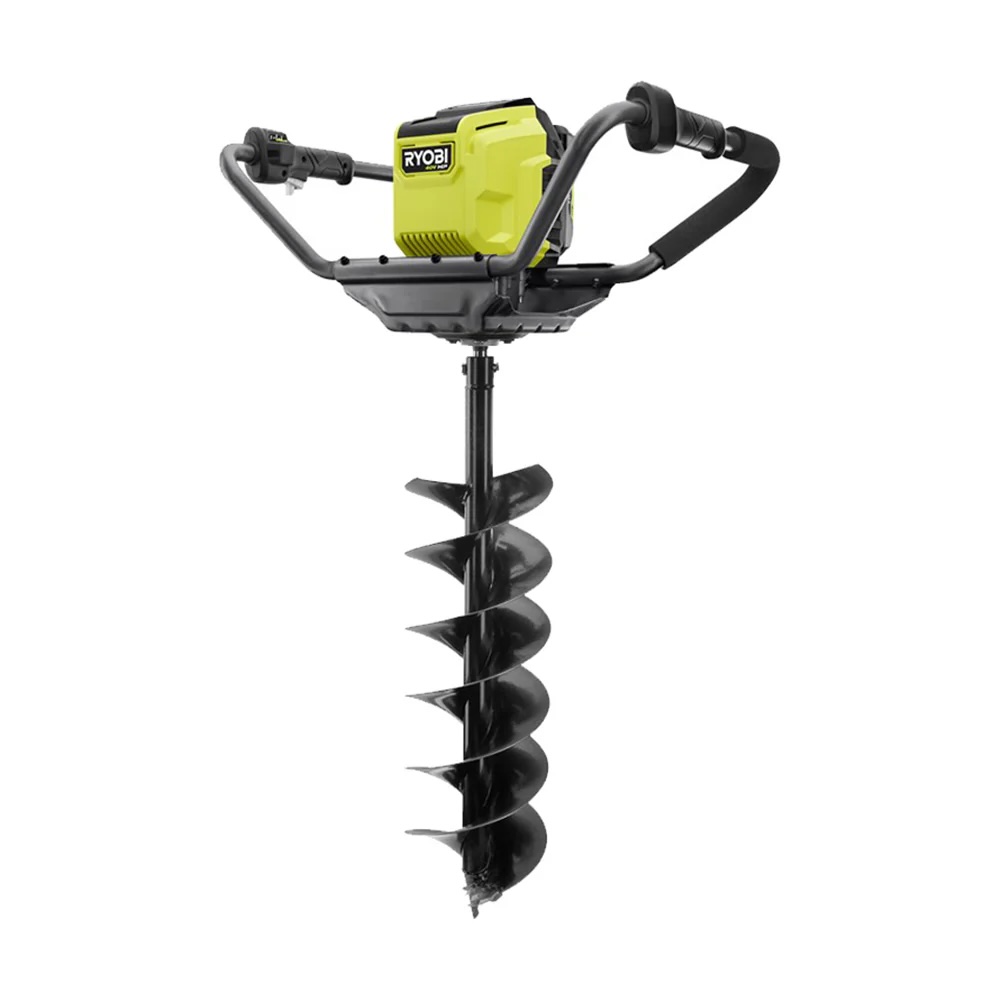
You have a few more options to choose from when it comes to powered post hole diggers, though the main differences between these types is the size, mobility, and number of people required to operate them.
- One-person handheld post hole diggers are compact units that are lightweight enough for a single operator to maneuver for standard fence posts and deck footings.
- Two-person handheld post hole diggers are a heavy-duty option that require two operators to handle the immense torque and prevent kickback. These powered tools are best suited for rocky or heavily rooted soil where a one-person auger might struggle.
- Towable or wheeled post hole diggers are mounted on a wheeled frame. The goal with these tools is to remove the weight from your back and use a manual crank or hydraulic lever to raise and lower the bit. They are great when working on uneven terrain or making deep, repetitive holes.
- 3-point post hole diggers attach directly to the PTO (Power Take-Off) and hydraulic system of a tractor. They use the tractor’s weight and power to drill extremely deep or large-diameter holes effortlessly, though they are typically overkill for the average DIYer.
Our Recommendation: Ryobi 40V 8″ Earth Auger Kit – Get at The Home Depot for $449
Easy to use and boasts built-in kickback protection, the Ryobi 40 Earth Auger is well worth the investment. Check out the full Ryobi Post Hole Digger review.
Post Hole Digger Safety Tips
Operating both manual and powered post hole diggers is something that should be done with proper precaution. You should be wearing appropriate personal protective equipment, including snug-fitting clothing, steel-toed boots, gloves, and eye and ear protection. Keep these safety tips in mind when you work on installing your fence posts or deck supports to prevent accidents.
- Manual Post Hole Digger:
- To protect your lower back, keep your core engaged, bend your knees, and use your leg muscles to drive the tool into the ground.
- When the clamshell blades are full, lift the digger straight up and pinch the handles together to dump the dirt, making sure to empty it well clear of the hole’s edges.
- If you hit stubborn roots or rocks, do not try to hammer the post hole digger through them. Use a digging/pry bar to break them up first to avoid bending or cracking your tool’s handles.
- Powered Post Hole Digger:
- Keep all bystanders and pets at least 20 feet away from the equipment while it is running to prevent serious entanglement injuries.
- Do not use body weight to force the auger into the ground. Let the weight of the machine do the work, and pull up slightly if the auger binds to avoid getting it stuck.
- Prepare for sudden kickbacks if the auger hits an immovable root or rock. Keep your legs shoulder-width apart, arms tucked close to your body, and the handle near your hip for maximum leverage.
- One-person augers must be operated by exactly one person. Two-person augers should never be attempted solo.
- Never force an attachment or use additional people to weigh down the frame.
- Stop the engine entirely between each hole to minimize accidental throttle engagement.
- Never use your hands, feet, or a shovel to clear dirt or debris directly from a rotating auger blade. Always turn off the machine and disconnect the power source first.
- When taking a break, leave the auger standing vertically in a finished hole so motor fluids do not flood the engine.
Preparing to Use a Post Hole Digger
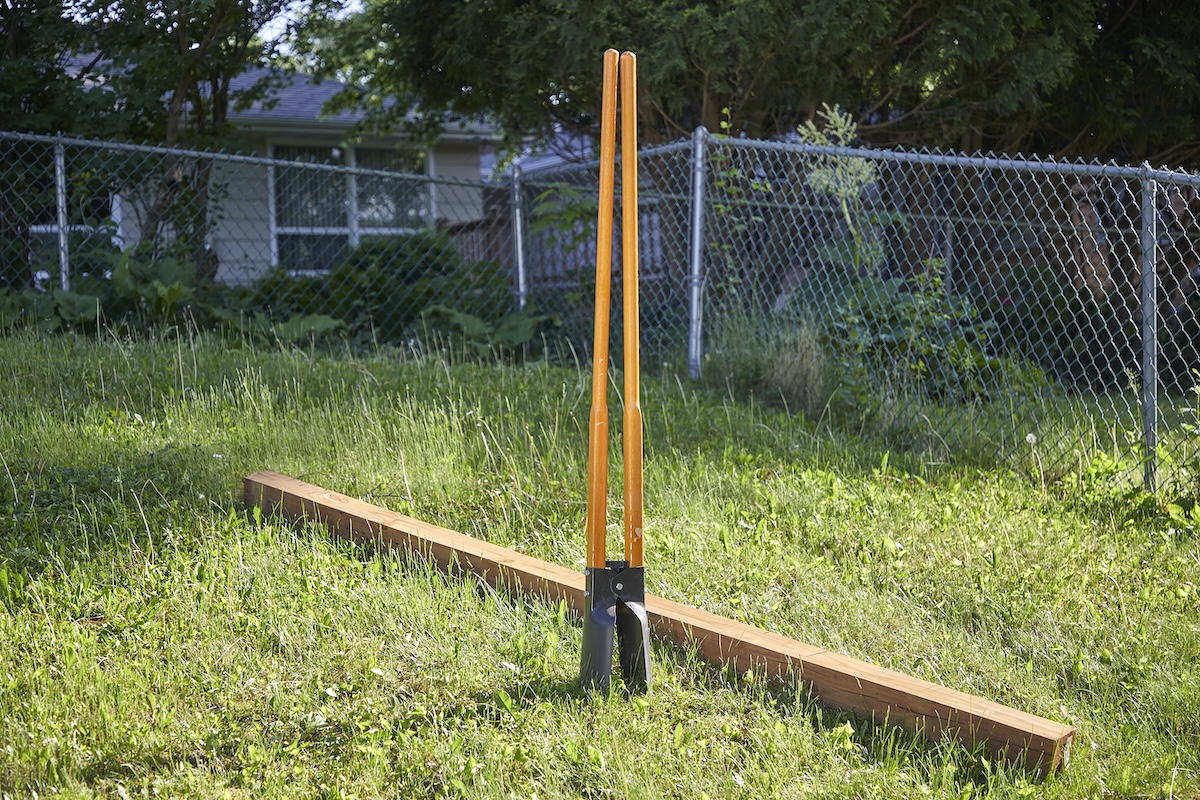
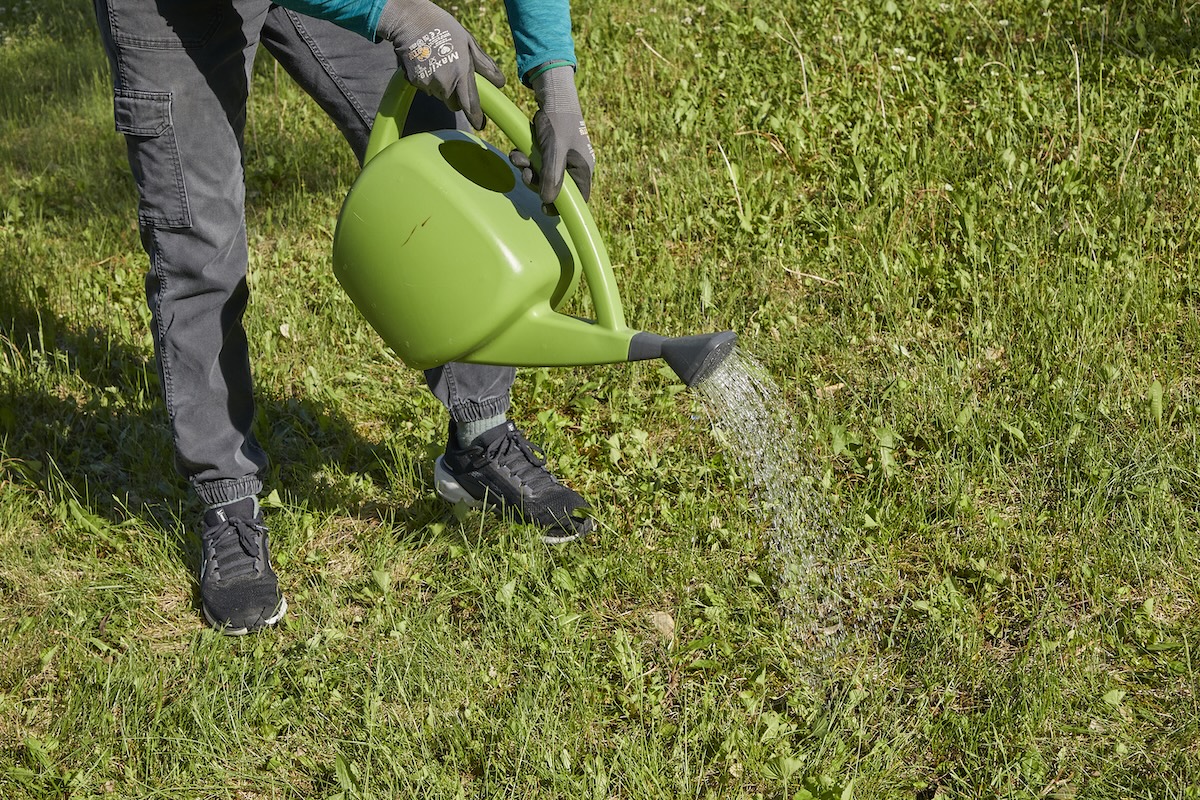
There are a few steps that you need to complete to prepare the area for your post hole digger. Jon Colbasiuc, owner of Supreme Deck Store, says that “it is very important to always locate underground utilities, ensure they are clear before digging, mark hole locations, verify footing requirements, and gather tools such as a tape measure and a shovel. Also, in hard soil, lightly watering the area beforehand can make digging easier.”
You should use a string line to measure and lay out the precise placement of your holes to ensure the posts for your fence, deck, or any other structure are properly aligned. Keep a tamping bar and a torpedo level ready to tamp down loose dirt and check that each hole is suitably level after using your post hole digger.
Tools & Materials
Bobvila.com may earn a commission from purchases made through these links.
How to Use a Manual Post Hole Digger
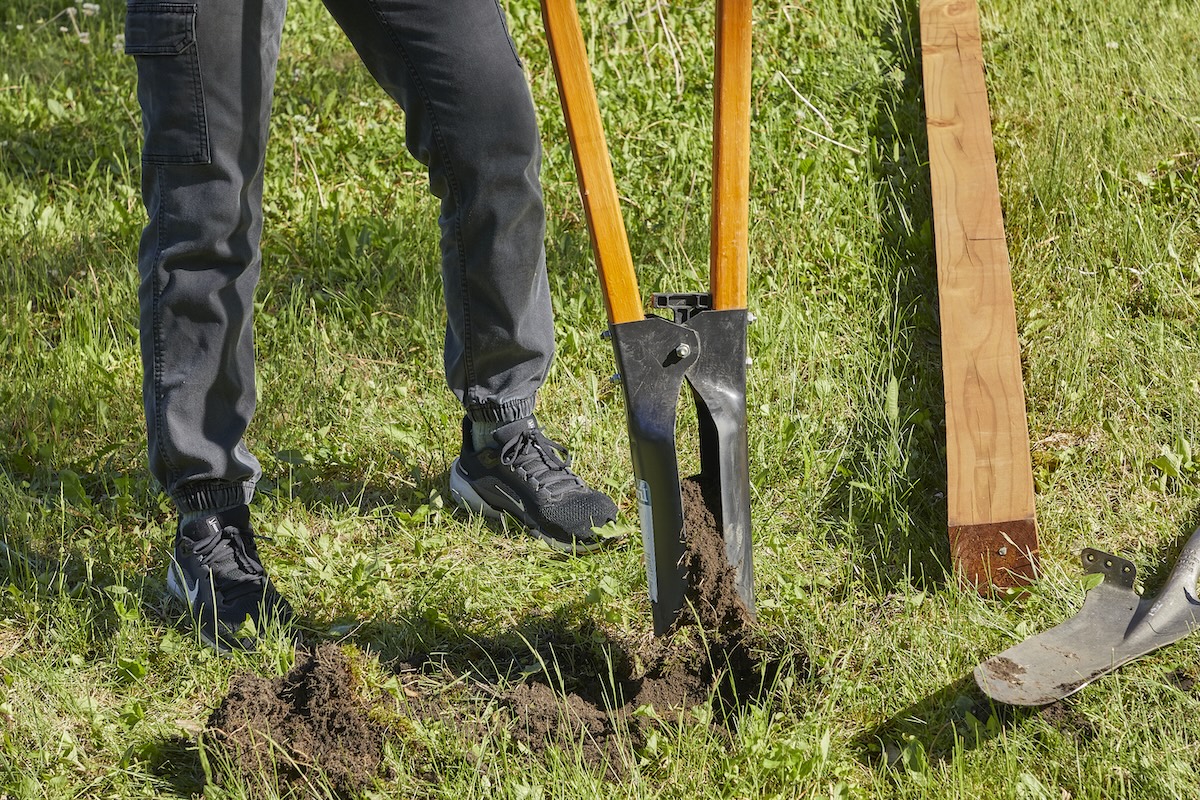
Manual post hole diggers are typically used for shallow holes, individual holes, or when you prefer to avoid the potential risk of kickback that can occur when using a powered post hole digger. Colbasiuc provides these basic steps for you to follow to use your manual post hole digger efficiently.
- Mark the hole’s location with a spade or flat shovel, removing the top layer of sod so you don’t need to fight through tough lawn roots.
- With the handles closed, drive the blades into the soil with enough weight and force to penetrate a few inches, allowing gravity and the weight of the tool to help with the thrust. You can also rotate the blades when in the ground for a more uniform hole.
- In this position, open the handles to close the blades and capture the soil, using enough pressure to grasp the soil securely.
- Lift the blades out of the hole, moving the post hole diggers to the side, then close the handles to open the blades and allow the soil to spill out.
- Repeat this process until you have reached your desired depth.
- Use a tamping bar to tamp down the loose soil at the bottom of the hole, then use a torpedo level to check that your hole is level before proceeding with post installation.
How to Use a Powered Post Hole Digger
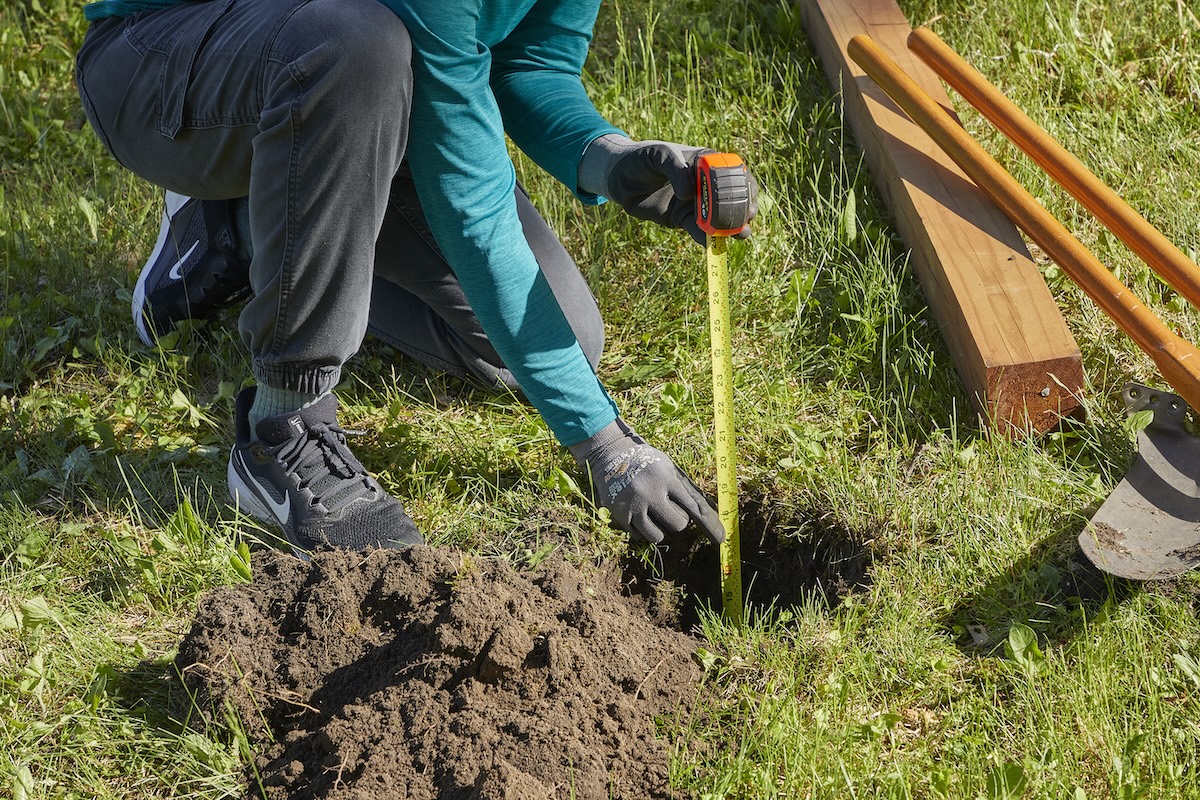
Using a powered post hole digger is a riskier endeavor, so it’s important to understand the basic steps Colbasiuc provides below before you begin. To reduce the risk of any injuries, make sure to work slowly and carefully, even after you get the hang of using the tool.
- Mark the hole’s location and clear away any large rocks or debris from the surface. Use a spade or flat shovel to remove the top layer of sod to prevent the blade from getting tangled.
- Position the tip of the post hole digger in your pilot hole, preparing to start the machine.
- For gas post hole diggers, pump the primer bulb, set the choke, then turn the switch to ON before pulling the starter cord. If you have an electric post hole digger then simply plug it in or attach the battery, turn it on, press and hold the safety button, then slowly squeeze the trigger switch.
- Let the post hole digger dig gradually into the soil. Squeeze the throttle or trigger switch to spin the bit, letting the weight of the machine push it into the ground. Do not force or push down hard on the post hole digger as this can cause the motor to twist and buck or it may stall the motor.
- Lift periodically to clear dirt about once every six to 12 inches of digging. Make sure to release the throttle or trigger switch and pull the post hole digger out of the hole completely to clear away the dirt before resuming.
- Pause if you hit a deep root or a large rock. Do not power through it. Use a digging bar or shovel to dislodge the obstruction.
- Continue until you have reached your desired depth.
- Use a tamping bar to tamp down the loose soil at the bottom of the hole, then use a torpedo level to check that your hole is level before proceeding with post installation.
Tips for Using a Post Hole Digger
Using a post hole digger is relatively straightforward, but we can make mistakes using even the simplest tools. Colbasiuc says “the biggest mistake I see is rushing. It’s important to take your time to dig accurately and to dig proper-sized holes. The right-sized hole creates a stronger foundation for your deck and helps ensure it performs well.” This advice will help you operate the tool efficiently:
- Manual Post Hole Digger
- Stab a digging/spud bar into the center of the marked spot to break up hard dirt.
- Continually change the compass direction of your digs to keep the hole perfectly round rather than oddly shaped.
- If your dirt is too dry, it won’t stick to the digger, so pour a little water into the hole to make it easier to scoop. But keep in mind that if it’s too wet and muddy, it will be incredibly heavy and difficult to shake out.
- When pulling out a load of dirt, squeeze the handles together, slightly twist the digger, and open and close it once more before pulling it up to ensure a full scoop.
- Powered Post Hole Digger:
- Do not force or push the post hole digger down. Let the machine’s weight drive it into the soil.
- Drill down in about 6-inch to 12-inch increments, then lift the post hole digger completely out of the hole to clear the loose dirt. If you try to drill all the way to the bottom at once, the bit will get bound up and stuck.
- Especially with tractor-mounted augers, the bit can easily drift or angle away from true vertical as it digs, so you will want to check its alignment frequently.
- If the post hole digger hits a buried rock or tree root, it can jerk violently. Maintain a wide, stable stance, keep your body centered, and have an immediate kill-switch or disengage plan in place.
- If your post hole digger gets wedged in the hole, do not use the throttle to try to power it out. Turn the engine off and unthread it manually like a corkscrew.
FAQ
Q. What is the easiest way to dig a post hole?
The easiest way to dig a post hole is by using a powered post hole digger. These tools are designed for this exact purpose, so they can quickly and easily dig out a uniform post hole for your post installation.
Q. When do you need to dig post holes?
DIYers will typically need to dig holes for a few different projects around the home, such as building a fence, installing a free-standing deck, setting up a pergola or gazebo, mounting a basketball hoop, or putting in a mailbox.
Q. Can you rent an auger/powered post hole digger?
You can absolutely rent an auger or powered post hole digger. These tools are commonly available from home improvement stores and tool rental companies. If you have ever asked, where can I rent a post hole digger, try The Home Depot.
Q. Is a post hole digger easy to use?
Whether you are using a manual or a powered post hole digger, the process is relatively easy, though the manual post hole digger requires greater physical exertion, while the powered post hole digger is slightly more complex to operate.
The post Master the Tool That Makes DIY-ing Fences, Mailboxes, and Lamp Posts Easier appeared first on Bob Vila.