
We may earn revenue from the products available on this page and participate in affiliate programs. Learn More ›
Because I live on a farm I have free-ranging chickens, guineas, and ducks in addition to a dog, several cats, and miscellaneous wildlife. The chickens and guineas consider any freshly turned soil fair game for scratching or dust baths, while the ducks delve in it and the cats consider it an outdoor litter box.
As my dog also enjoys digging in the garden, the carnage would be extreme if I hadn’t devised ways to protect my freshly planted seedlings and bulbs. My tools mainly involve sticks and stones, but rest assured that I’m not throwing them at any animals!
Stones
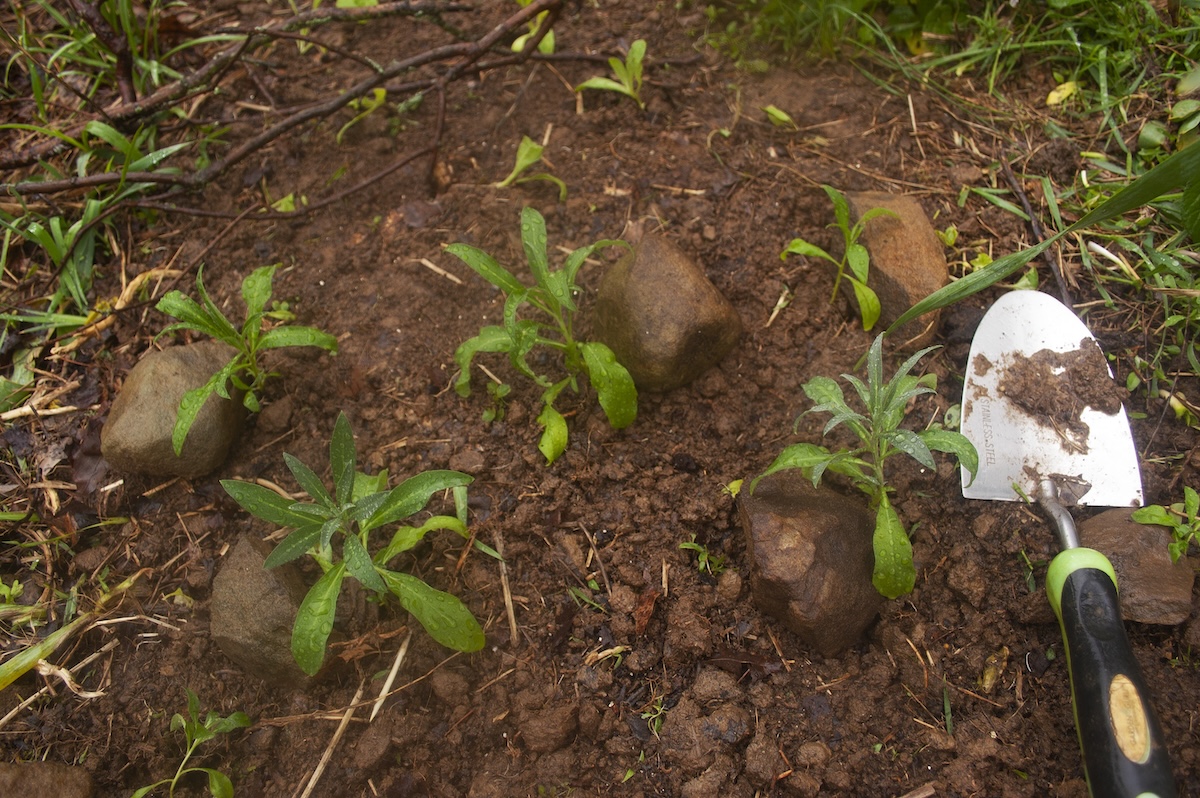
My solution is not to figure out how to keep animals out of the garden but, rather, away from my most vulnerable plants. Since I live in an area rich in rocks, I often make use of them by placing a stone next to each recently set out seedling.
The scratchers among my animals generally will avoid anything on which they are going to stub their paws or claws, and the stones help retain moisture near the seedlings as well. When placed atop potting soil in containers, they also discourage ducks from rooting through those containers in search of slugs.
Stakes
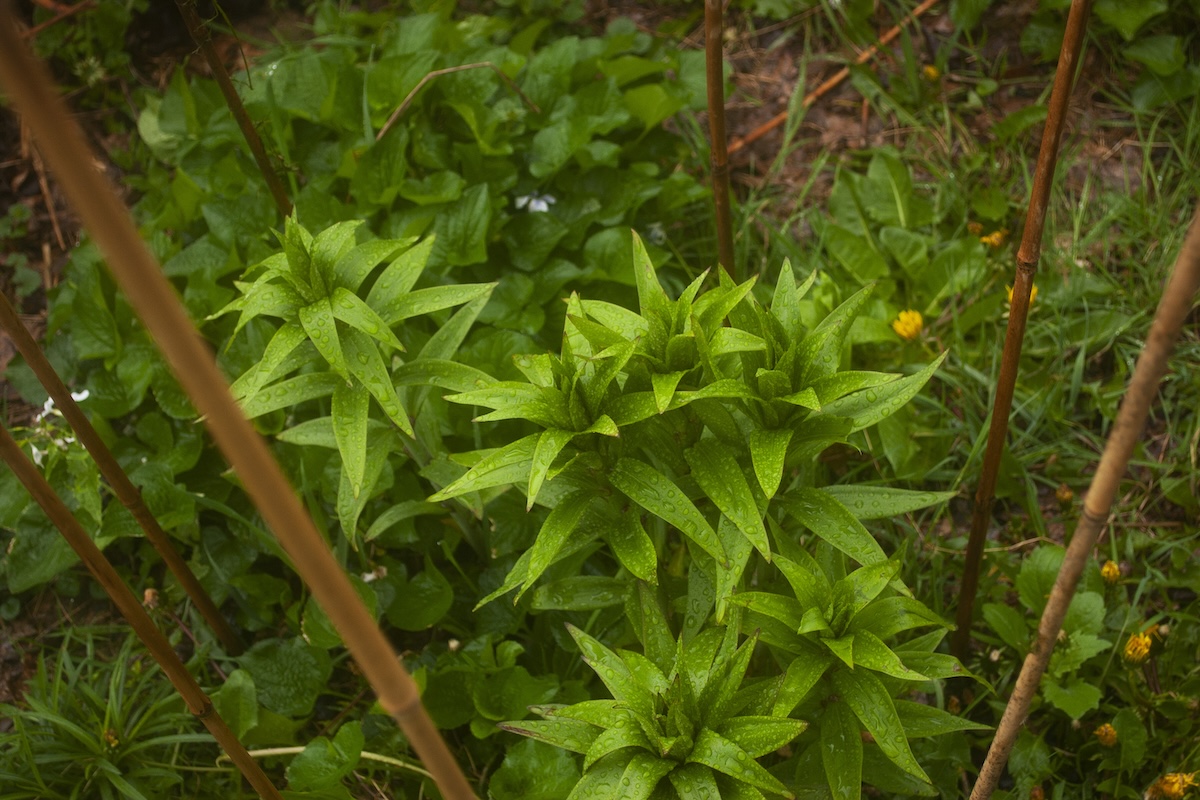
A stake placed beside a plant often will protect it in the same way a stone will. When they are playing or fighting, animals sometimes run roughshod over and break off emerging plants such as bulbous lilies. That can prevent bloom both in the current year and in subsequent years since lilies count on foliage dying back to feed their bulbs.
I sometimes place bamboo stakes, closely spaced, all around a clump of lilies to encourage running animals to go around those plants rather than through them. Those stakes also will come in handy for tying up the lilies later.
Branches
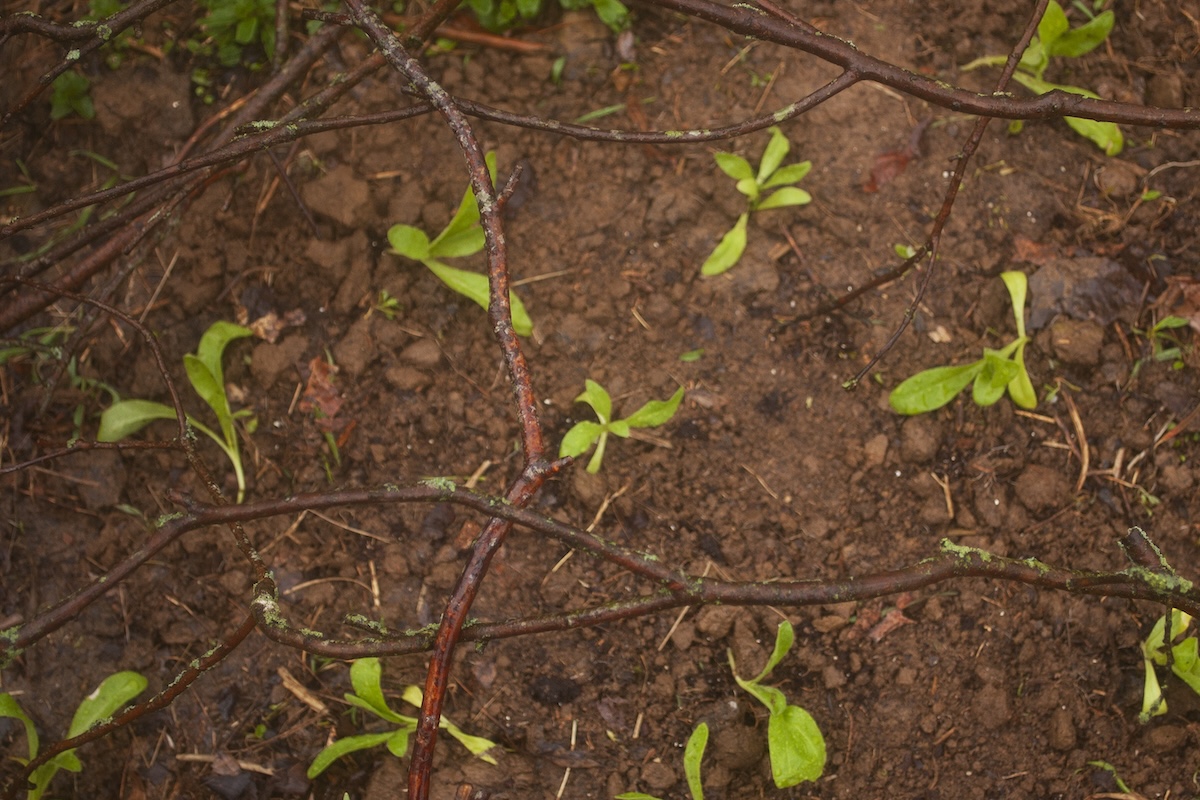
A couple of large trees at the edge of my yard tend to drop quite a few small branches during winter. If I’ve planted new seedlings over a fairly wide area, I often cover them loosely with an arch of those branches which let light through but make it more difficult for the animals to access the soil.
Once the seedlings grow tall and wide enough that they can’t be easily dug up, I remove the branches. One advantage of sticks and stones is that they look natural in a garden setting, while other protectors may not.
Daisy Trays
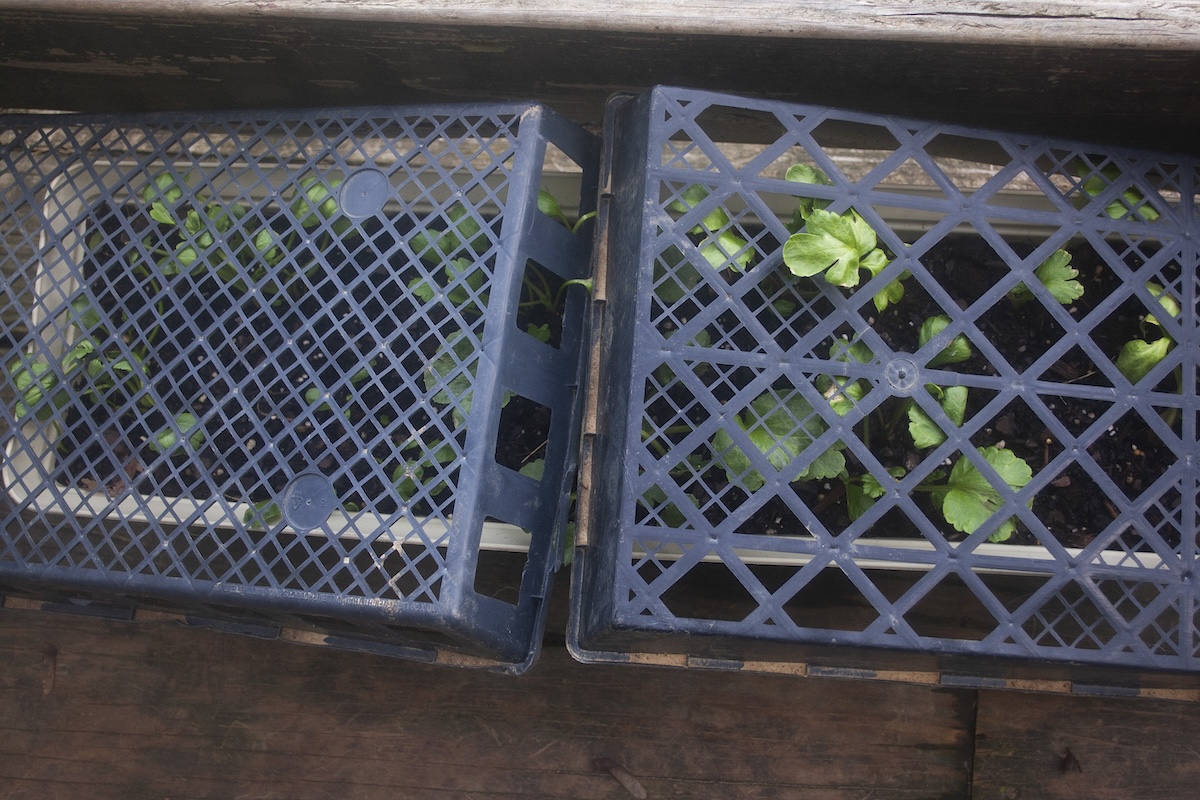
Since inverted plastic daisy trays also let light through, I sometimes use them to protect recently planted sites and containers. Because they don’t look natural, I employ them most often during winter to cover areas where spring blooming bulbs have been planted, since my garden isn’t going to look all that great during winter anyhow!
But I also invert them over emerging sunflower seedlings since the wild birds hereabouts are used to me feeding them sunflower seeds. So, they will consequently peck the seeds off the emerging seedlings, often beheading those seedlings in the process.
Planks
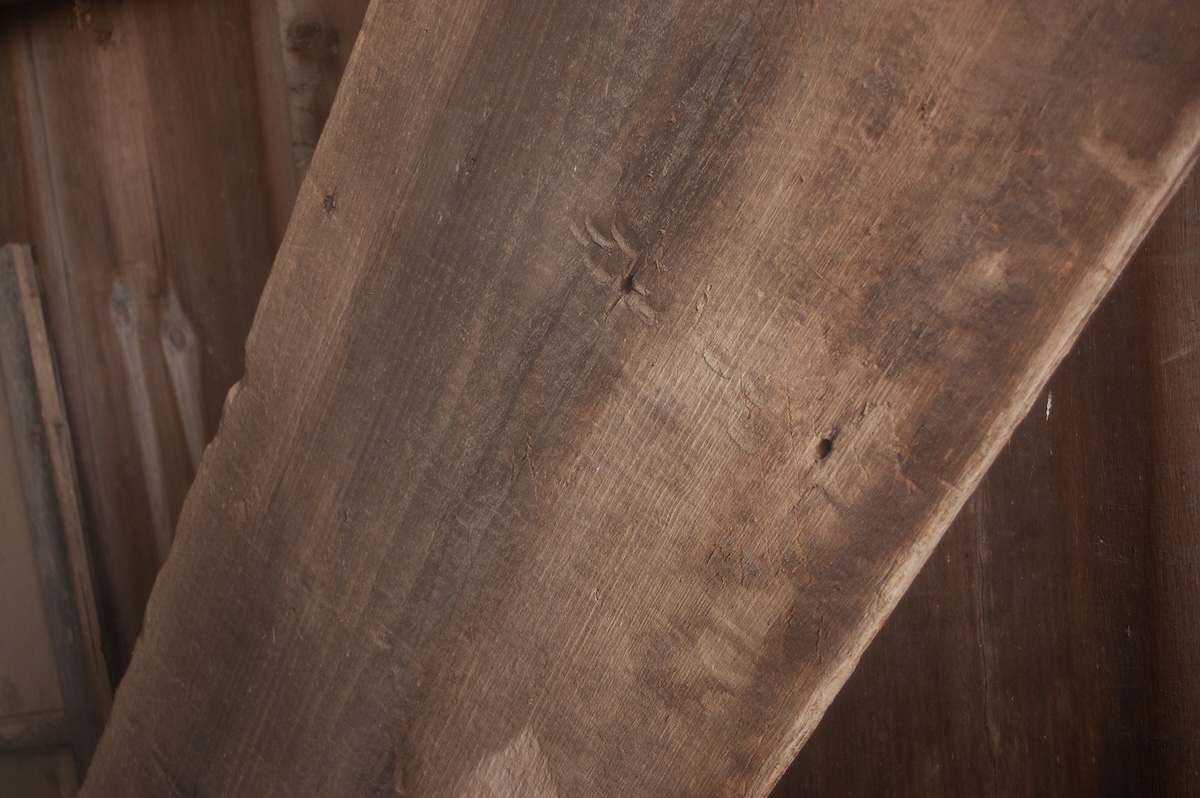
One year, I couldn’t figure out what animal was digging holes in my garden and rooting up recently planted gladiola bulbs. I finally concluded that it probably was a skunk searching for grubs where the soil was damp, since I had watered the ground over the bulbs.
I tried placing a heavy plank over the row until the bulbs’ foliage began to emerge, which worked well. Of course, you have to remove the plank promptly when they sprout. This also works for protecting and keeping moist seeds that don’t require light for germination, such as carrot seeds.
Patience and Vigilance
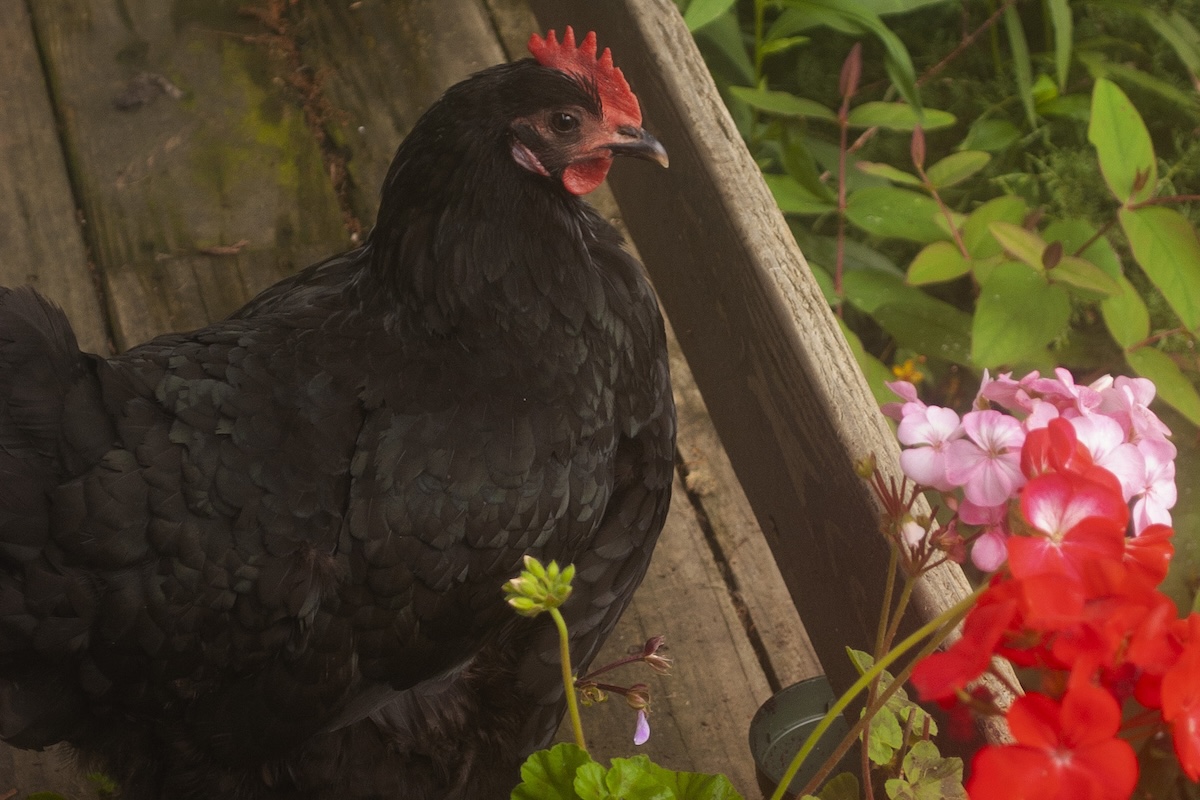
No matter how well I protect my seedlings, I generally do lose a few to paws or claws. But I remind myself that is part of the price of loving both plants and animals.
And, since I usually stroll around my garden at least once every day in spring and summer to see whether anything is blooming, I often find dug-up seedlings in time to restore them to their proper place before they wither.
The post How I Prevent Pets, Poultry, and Wildlife From Digging Up or Otherwise Damaging My Garden appeared first on Bob Vila.