
We may earn revenue from the products available on this page and participate in affiliate programs. Learn More ›
If you’re looking for a shortcut to reduce the time you spend working in your garden, then you might want to choose flowering plants that don’t require deadheading. The process involves removing dead and faded flowers from plants to keep them looking tidy and to encourage more blooms. When you deadhead plants, the energy, strength, and nutrients that would have been used for producing new seeds end up generating more flowers instead.
While roses, marigolds, and zinnias are examples of plants that need to be deadheaded, we’ve identified six flowering plants that don’t require this extra step. So, they’re easier to maintain, especially if you don’t have a lot of spare time for landscaping and garden upkeep.
1. Angelonia (Angelonia angustifolia)
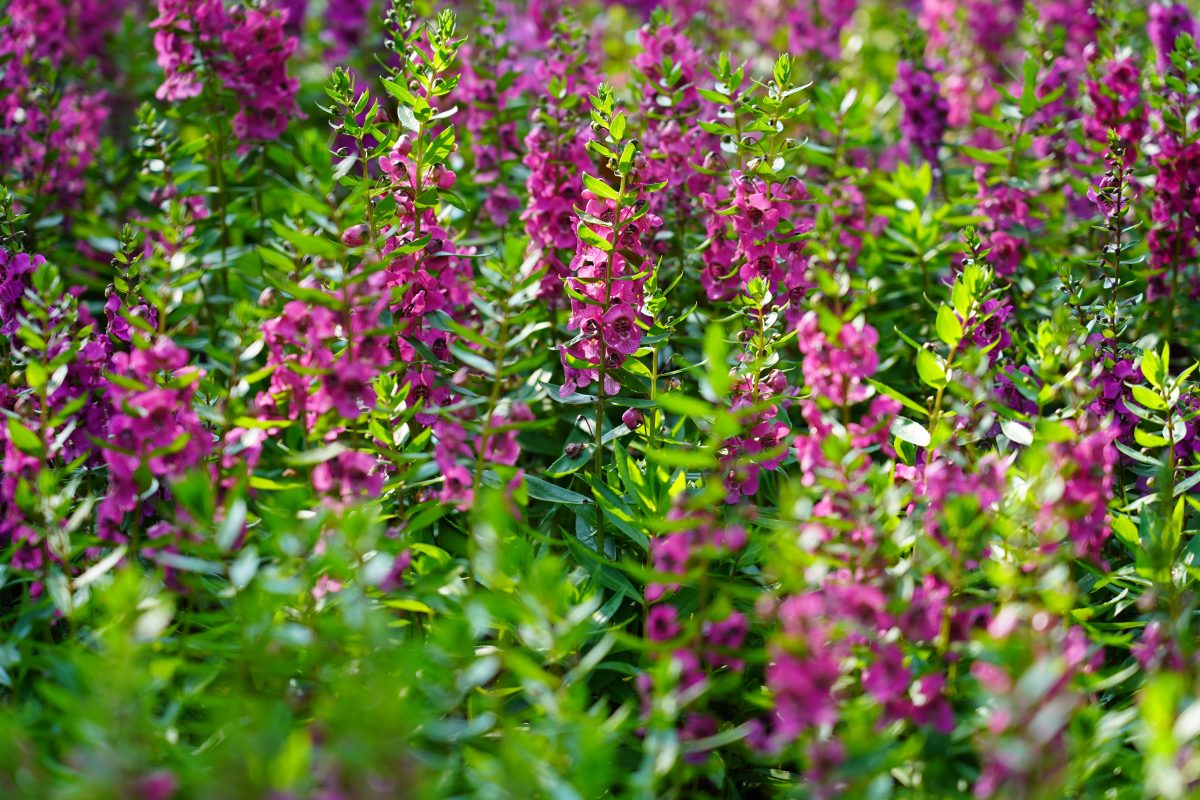
Angelonia, also called the summer snapdragon, is widely appreciated by gardeners because it thrives on little to no care, says Marina Prokaten, plant expert at Plantum, the app that helps identify plants and improve plant care. “It blooms during the summer, producing flowers in shades of pink, purple, and white, and when the old flowers drop off naturally, the stem keeps growing and developing new buds,” says Prokaten. The plant’s fruity scent becomes more prominent as it gets warmer outside, attracting hummingbirds and butterflies that enjoy the plant’s nectar.
Sun Requirements: Full sun
Size: 1 to 1.5 feet tall and 1 foot wide
Watering: As a drought-tolerant plant, it doesn’t need frequent watering
Soil Type: Medium to moist, well-draining, rich
Hardiness Zones: 9 to 11 (grown as an annual elsewhere)
2. Begonia (Begonia spp.)
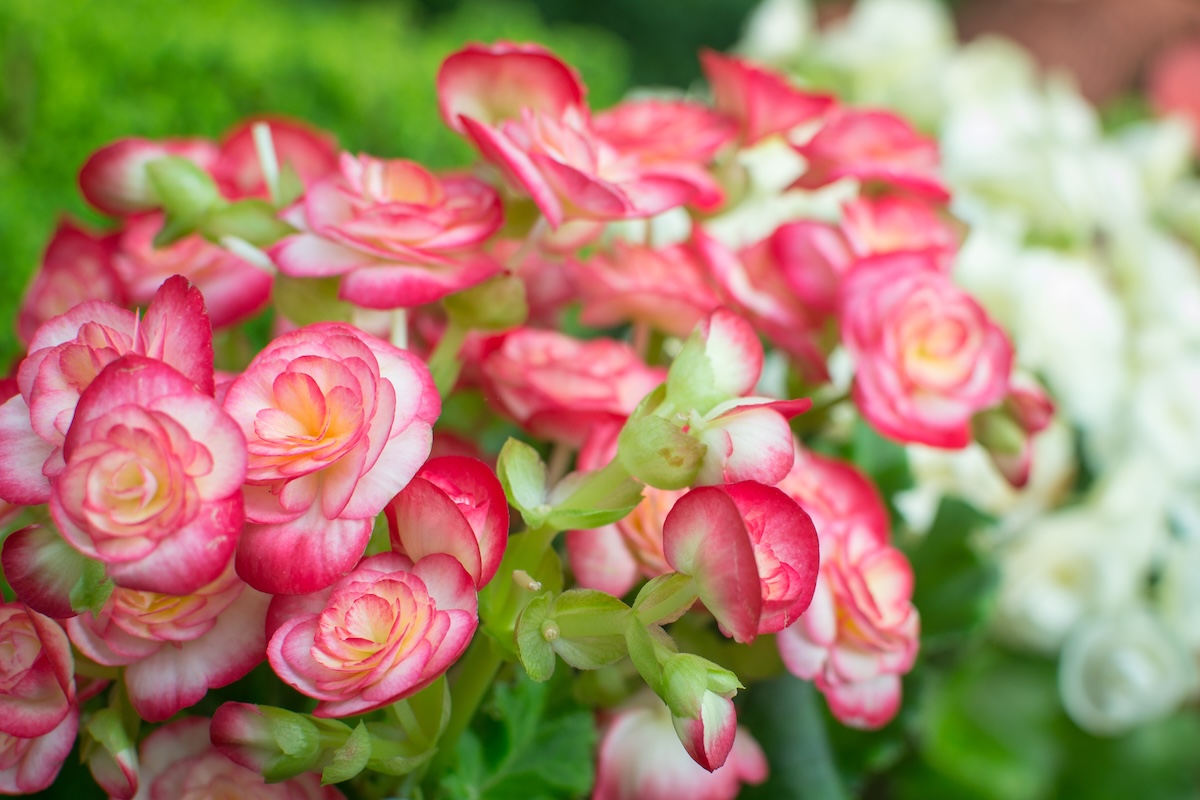
Most begonias are self-cleaning, which means they shed their petals naturally after blossoming. Prokaten recommends planting Begonia semperflorens, commonly called wax begonia. “You’ll probably recognize this plant as one of the most popular ornamental bedding flowers,” she says. “Begonia semperflorens is a compact, bushy plant with waxy deep green leaves that are circled around single or double flower heads of white, pink, or red color. Maintaining a perfectly neat appearance, this plant sheds its old, waxy petals.”
Sun Requirements: Partial sun
Size: 0.5 to 1.5 feet tall and wide
Watering: Water your plant regularly and thoroughly
Soil Type: Well-draining soil
Hardiness Zones: 9 to 11 or as an annual
3. Columbine (Aquilegia spp.)
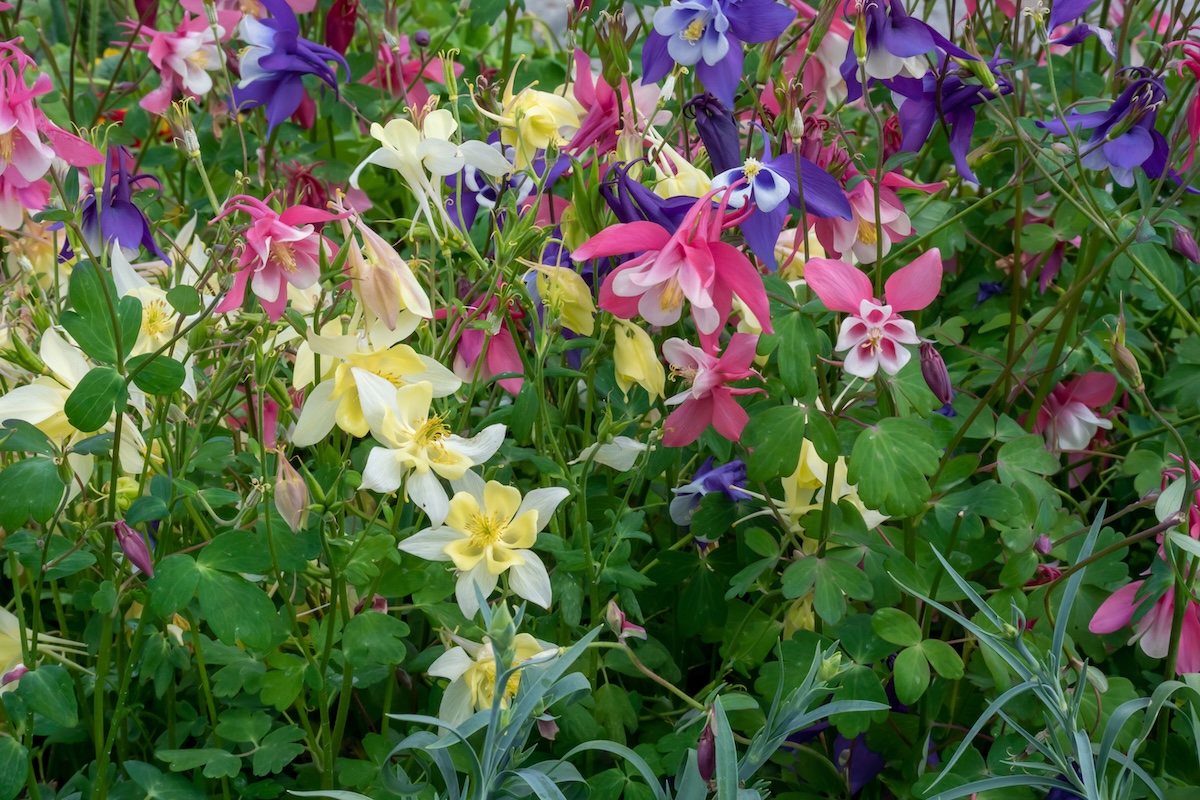
Columbines are woodland wildflowers with tubular, bell-like flowers that hummingbirds love. They are exceptionally low-maintenance perennials that thrive without deadheading because leaving their faded blossoms intact allows them to self-sow naturally, creating a patch of flowers for future seasons. Also, allowing the flowers to transition into seed pods provides food for local birds. Look for various varieties with pink, white, purple/lavender, or burgundy red flowers.
Sun Requirements: Full sun to partial shade
Size: 1 to 3 feet tall and 1 to 2 feet wide
Watering: Plenty of water
Soil Type: Evenly moist, well-draining soil
Hardiness Zones: 3 to 9
4. Hydrangea (Hydrangea spp.)
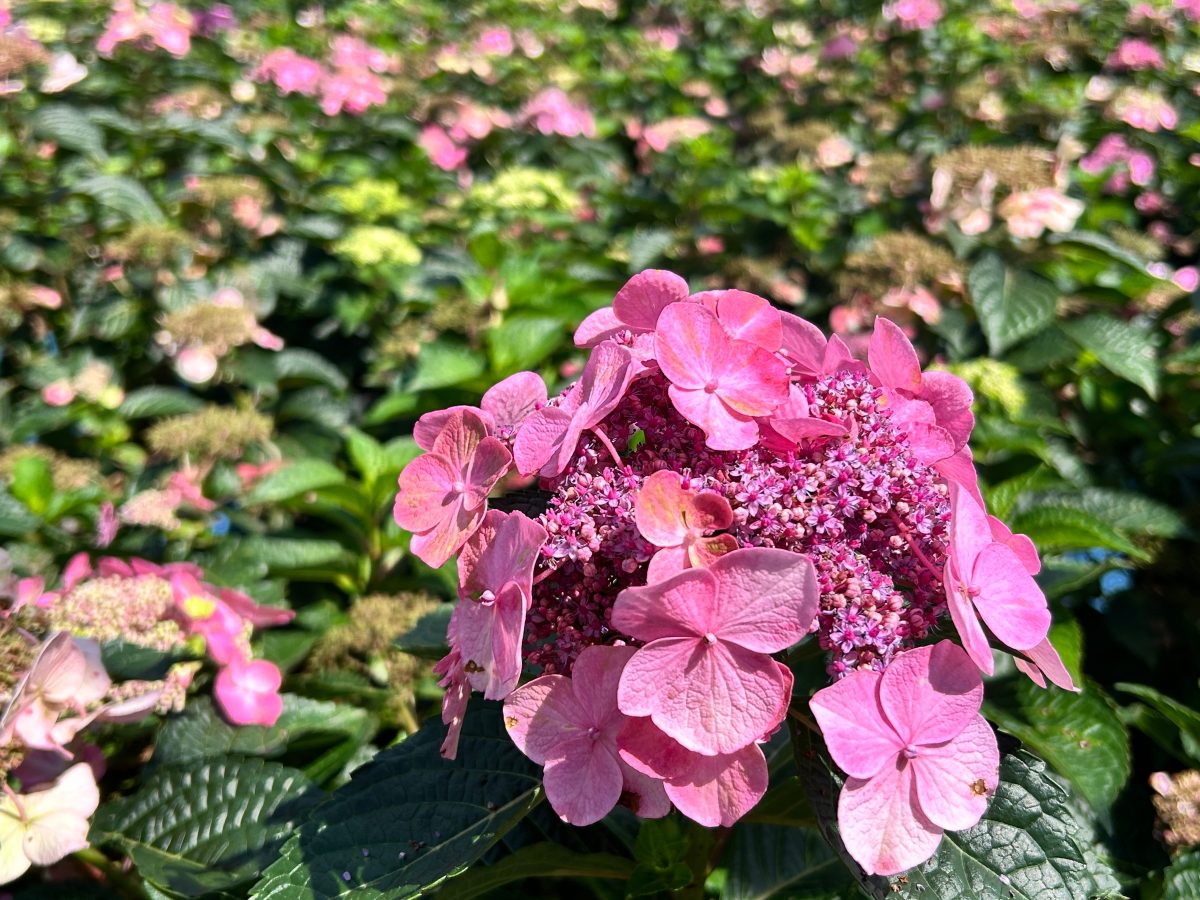
Most varieties of hydrangeas do not need to be cut back because they form their flower buds on old wood from the previous season’s growth. That means they will not rebloom if you remove the spent flowers. In fact, doing so risks accidentally snipping away next year’s potential blossoms. On the other hand, reblooming hydrangeas like Pop Star and those in the Endless Summer series are bred to produce flowers on both old and new stems. They’re OK to deadhead in summer; just stop removing blooms by midfall.
Sun Requirements: Full sun to partial shade
Size: 3 to 8 feet tall and wide
Watering: Regular watering
Soil Type: Medium moisture, well-draining, rich
Hardiness Zones: 3 to 9
5. Impatiens (Impatiens spp.)
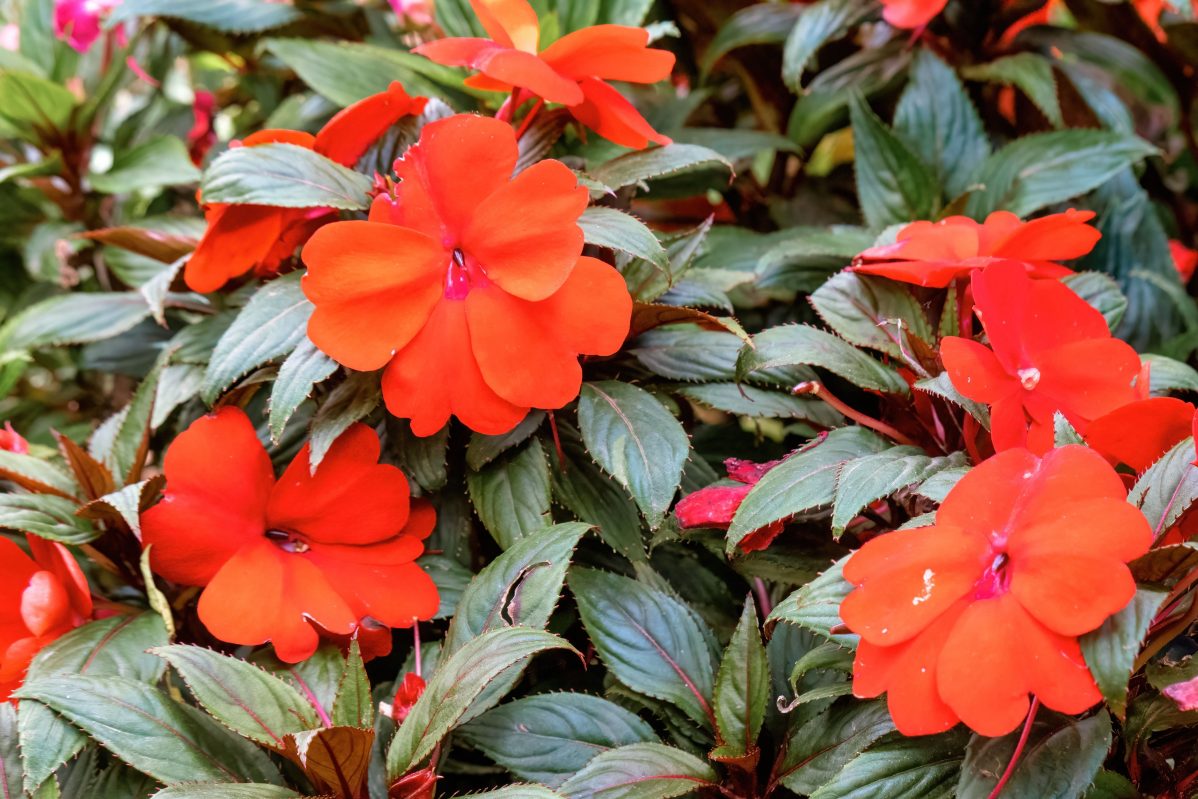
As one of the most popular plants for brightening up garden beds, impatiens are easy-care flowers that do not require deadheading. When left alone, they drop their old petals naturally. Prokaten recommends New Guinea impatiens (Impatiens hawkeri) for their attractive look, low-maintenance care, and high performance. “This branched perennial flowering plant will dress up any garden with its five-petaled vivid flowers and pointed oblong leaves, which maintain their alluring appearance throughout the season,” she explains. “New Guinea impatiens maintain a fresh and lively look all season long thanks to their ability to shed dead blossoms.”
Sun Requirements: Partial morning sun to full shade
Size: 1 to 3 feet tall and wide
Watering: Require a lot of water
Soil Type: Well-draining, moist, medium soil
Hardiness Zones: 10 to 12 (often grown as annuals elsewhere)
6. Petunia (Petunia hybrid)
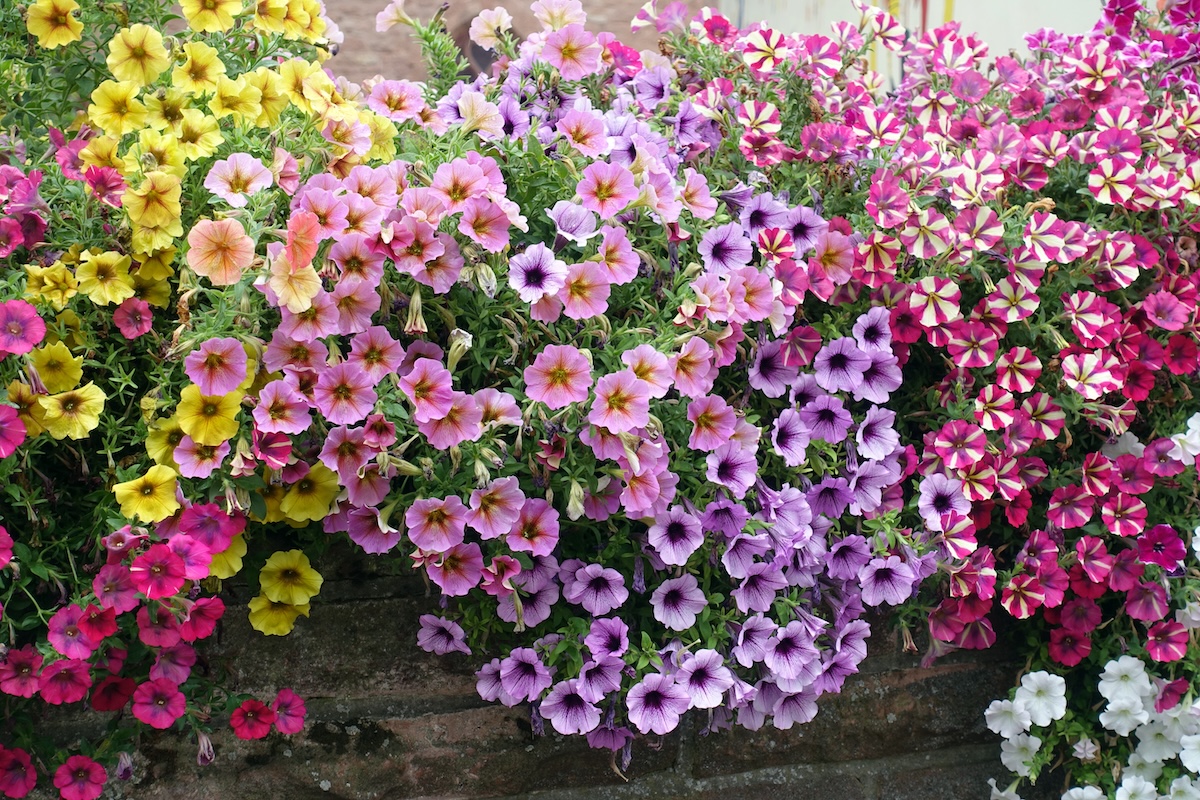
Standard petunias can get messy if they are not deadheaded after they start to wilt, but all you have to do is pinch off the faded flower. Even better, Supertunia petunias require no deadheading. This variety is known for its self-cleaning capability, as it naturally sheds old flowers. The best part is that you’ll enjoy the nonstop blooms they produce in a range of vibrant colors. They also attract beneficial insects and hummingbirds.
Sun Requirements: Full to partial sun
Size: 6 to 12 inches tall and 1 to 2 feet wide
Watering: Regular watering
Soil Type: Medium to moist, well-draining
Hardiness Zones: 10 to 11 (often grown as annuals elsewhere)
The post 6 Flowers You Never Need to Deadhead appeared first on Bob Vila.